Venice Wine Tasting Guide: From Ombra To Wine Cellars
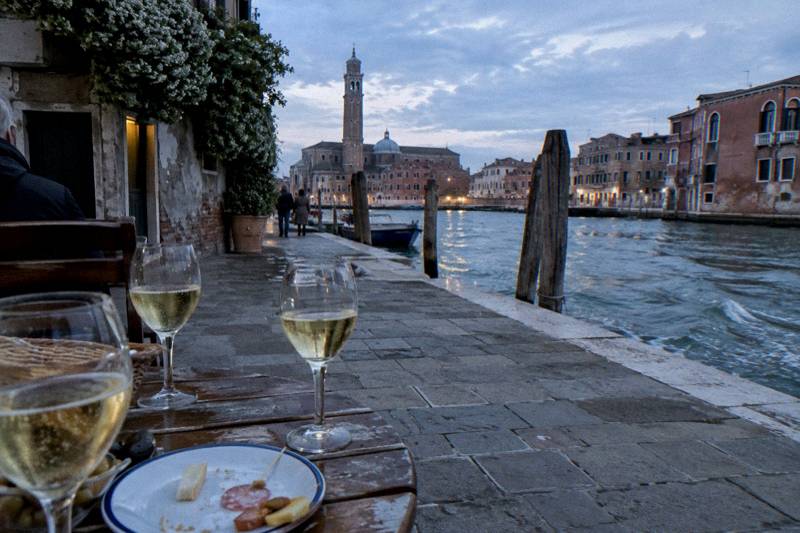
Wine in Venice is not a museum piece. It is a daily habit that started as a small glass of house wine drunk standing at a counter, and it grew into everything from canal-side tastings to guided flights of Veneto reds and whites in centuries-old cellars.
Short answer
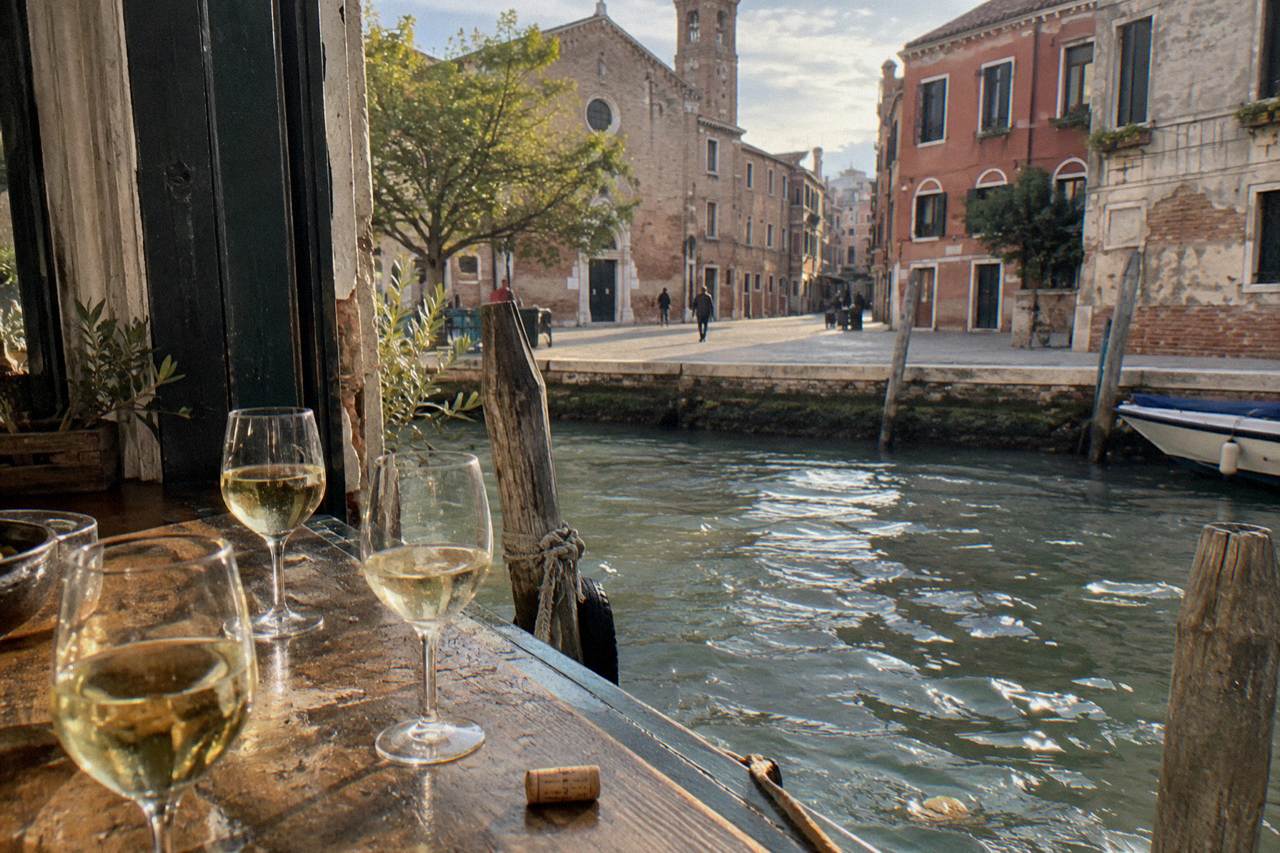
Venice wine tasting runs from an ombra, a small roughly 100 ml glass of house wine that costs around EUR 1 to 2.50 at local bacari, to guided tastings of Prosecco, Soave and Amarone. The Veneto region supplies the grapes, and most guided options last 1 to 3.5 hours. Check each listing for prices, inclusions and meeting points.
Wine has been drunk standing up in Venice for roughly five centuries, and the habit has a name: the ombra, a small glass of house wine taken at a bacaro counter, usually with a cicchetto on the side. Everything else the city now offers wine drinkers, from seated flights of Veneto whites to lagoon aperitifs, grew out of that one ritual. This guide walks through how tasting works today, which grapes to look for, what a cellar visit adds, and how to choose between a pure tasting and a food-and-walk that happens to pour very well along the way.
What Wine Tasting In Venice Actually Looks Like
Venice wine tasting happens in three broad formats: the do-it-yourself ombra crawl between bacari, a seated guided tasting of several Veneto wines, and hybrid food walks that pair tastings with cicchetti across multiple stops. The Veneto region behind the city produces Prosecco, Soave, Valpolicella and Amarone, so local pours lean regional. Durations on offer run from a one-hour tasting to walks of 3 hours 30 minutes.
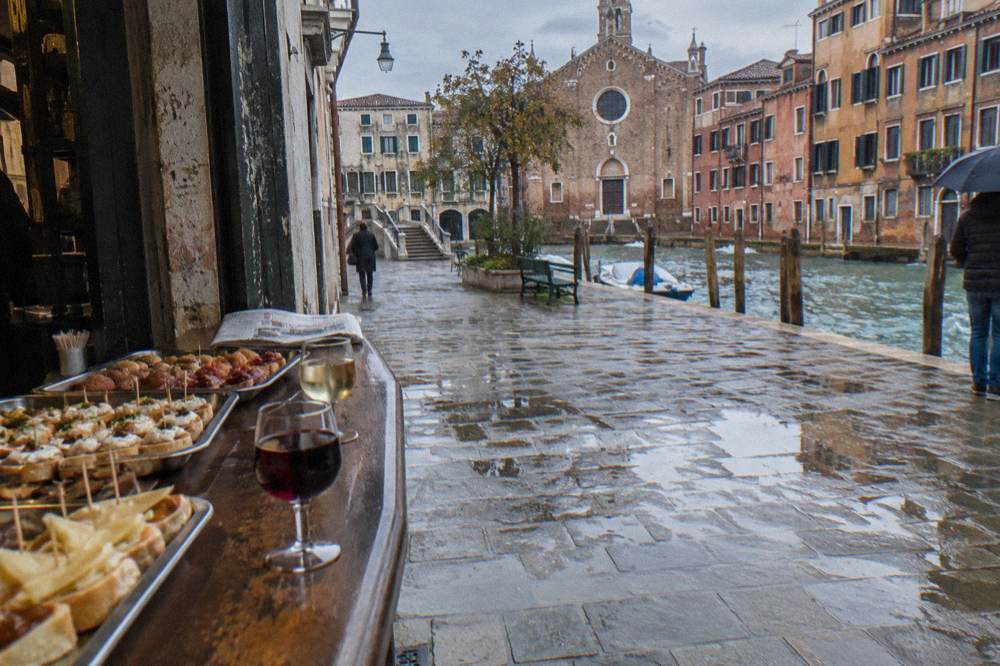
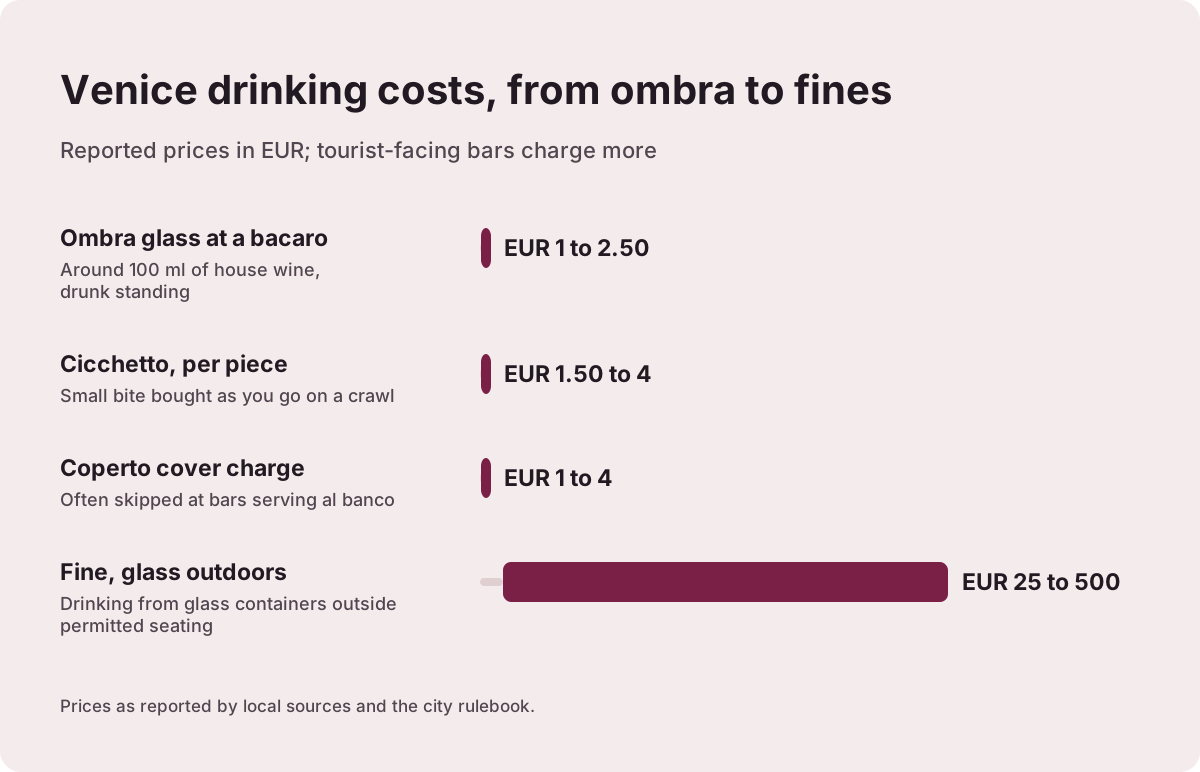
The most local version costs the least and comes with no guide at all. You stand at the counter of a bacaro, order an ombra, which is a small glass of around 100 ml of the house wine, and pay roughly EUR 1 to 2.50 a glass as reported by local sources, with tourist-facing bars charging more. Add a cicchetto at a reported EUR 1.50 to 4 a piece and you have the city's original tasting menu. The companion guide to how a bacaro crawl works breaks down the mechanics of hopping between bars.
The guided version swaps freedom for structure. An operator pours a set flight, explains each glass, and usually pairs the wine with something to eat. The Venice: Prosecco & Italian Wines Tasting Experience runs one hour, which makes it one of the shortest wine-focused options available and easy to slot into a day of sightseeing. At the other end of the scale, walks such as the Venice Bacaro Food Tour: Eat and Drink like a Venetian run 3 hours 30 minutes and treat wine as one thread in a longer evening of eating.
Between those poles sit the hybrids, food walks where the wine pours matter as much as the bites. The Venice Food Tour: Sunset Cicchetti & Wine Tasting is built exactly around that idea, a 3 hour walk timed to aperitivo hour. Which format fits you depends mostly on how much of the evening you want to give to wine and how much guidance you want with it.
| Format | Typical duration | What you get | Who it suits |
|---|---|---|---|
| Self-guided ombra crawl | Your own pace | House wine by the glass, cicchetti bought as you go | Confident visitors on a budget |
| Seated guided tasting | 1 hour to 1 hour 20 minutes | A flight of Veneto wines with explanation | Wine-curious visitors short on time |
| Food-and-wine walk | 2.5 to 3.5 hours | Tastings plus food across several stops | First-timers who want dinner-level sampling |
| Private sommelier walk | 3 hours | A tailored route with a wine professional | Groups and serious enthusiasts |
Ombra: The Small Glass That Started It All
An ombra is a small pour of house wine, roughly 100 ml, traditionally drunk standing at a bacaro counter, and it is the cheapest legitimate way to taste Veneto wine in Venice. Reported prices run from EUR 1 to 2.50 a glass in local spots, with tourist-oriented bars charging more. The word means shadow, a nod to the old habit of drinking in the shade of the Campanile in Piazza San Marco.
That etymology is worth knowing because it explains the whole culture. Wine in Venice was a market-day pleasure before it was a tasting experience, and the ritual never lost its informality. You order at the counter, you drink where you stand, and the bill stays small. Standing service has a practical side too: bars that serve al banco often skip the coperto, the cover charge that runs a reported EUR 1 to 4 per person at seated tables where it applies, because it is a table charge, not a counter one.
For visitors who want to understand the ritual before performing it, the guide to ombra and the Venetian wine ritual covers ordering etiquette, what to do with your used glass and how the counter economy works. None of it is complicated, but a little context turns a quick drink into the thing you will remember about Venice.
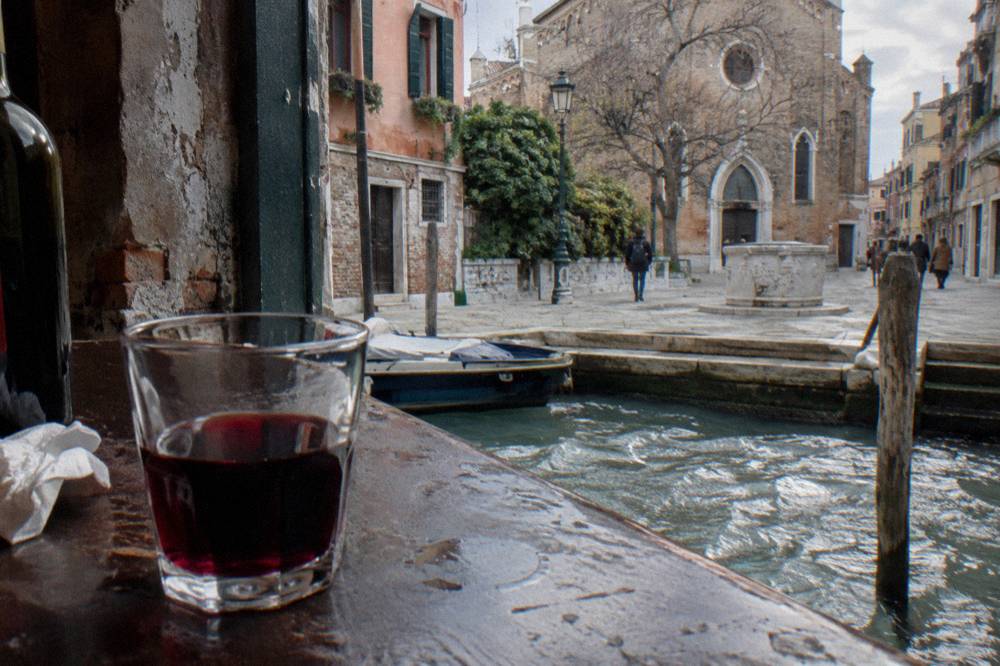
The ombra is also the reference point against which every paid tasting should be judged. A guided flight costs real money, on the listing for most options, and what it buys over the counter is the selection and the explanation: wines you would not have chosen, poured in an order that makes sense, with someone telling you why. Whether that premium is worth it is genuinely personal. If a quiet hour with four glasses and a host sounds like a good hour, it is. If it sounds like a classroom, spend the same time crawling bacari instead.
One rule affects the crawl directly and is easy to miss. Venice has a standing municipal regulation, reported on the city's own rulebook, that prohibits drinking from glass containers outside permitted outdoor seating areas and bans takeaway sales of alcohol in untapped glass bottles or glass glasses, with reported fines of EUR 25 to 500. In practice that means the ombra stays inside the bacaro, which is where it belongs anyway. Check the current rules on the Comune di Venezia regulation page if you plan anything unusual.
Veneto Grapes Worth Knowing Before You Taste
The wines poured in Venice come almost entirely from the Veneto, the region that surrounds the lagoon, and four names cover most of what will be in your glass: Prosecco, the sparkling Glera-based wine of the hills north of Treviso; Soave, a dry white from Garganega grapes; Valpolicella and its big brother Amarone, Corvina-led reds from Verona; and Raboso, a tannic local red that historically anchored bacaro counters.
You do not need a sommelier certificate, but four sentences of context will change how a tasting lands. Prosecco is the region's ambassador and the base of the spritz, which is itself general-knowledge simple: Aperol or Select bitter, prosecco, a splash of soda and an olive. Soave is the quiet alternative for people who order pinot grigio at home, dry and floral and far more local. The guide to Veneto wines, from Prosecco to Amarone goes grape by grape in more depth.
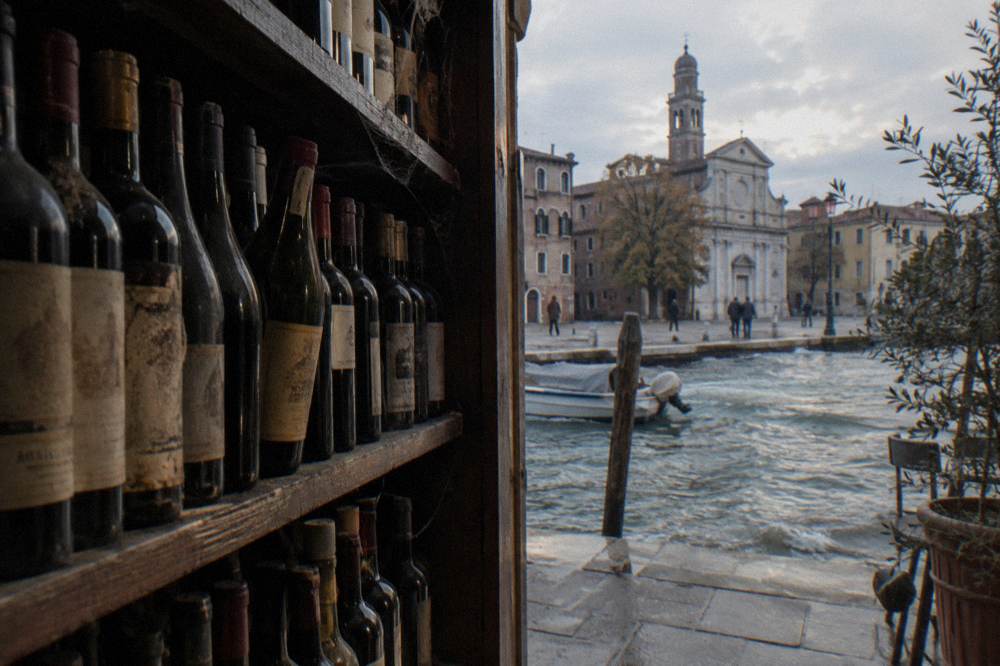
Amarone is the one worth saving room for. It is made from grapes dried after harvest, which concentrates sugar and flavour into a rich, high-alcohol red that tastes of dried fruit and costs accordingly. A flight that includes an Amarone is usually the most generous pour of the hour, and it is the glass most likely to teach you something new, because nothing else in the casual-wine world tastes quite like it. Raboso cuts the other way: tart, structural and unapologetically old-fashioned, it is the wine Venetian fishermen actually drank, and some tastings include precisely because it is an acquired taste worth acquiring in company.
The one-hour Venice: Prosecco & Italian Wines Tasting Experience is built around exactly this kind of orientation, pouring a regional selection with explanation, and its short length makes it a good first move before a bacaro crawl, not instead of one. Details of what is poured on a given day sit on the booking page, since flights change with the season.
A good tasting also tells you what the glass wants on the side. Veneto whites cut through fried cicchetti and baccalà mantecato, the whipped salt cod spread on polenta that anchors most counters, while Amarone wants cheese or cured meat. That logic is the whole basis of the food-and-walk format, where the pairing is not a garnish but the point.
| Wine | Style | Region of origin | Works with |
|---|---|---|---|
| Prosecco | Sparkling white | Hills north of Treviso | Aperitivo hour, light fried cicchetti |
| Soave | Dry still white | East of Verona | Seafood, baccalà mantecato |
| Valpolicella | Light to medium red | Verona foothills | Cured meats, mild cheese |
| Amarone | Rich concentrated red | Verona foothills | Aged cheese, end of evening |
| Raboso | Tart structural red | Veneto lowlands | Traditional counters, adventurous palates |
Wine Bars, Cellars And Where The Tastings Happen
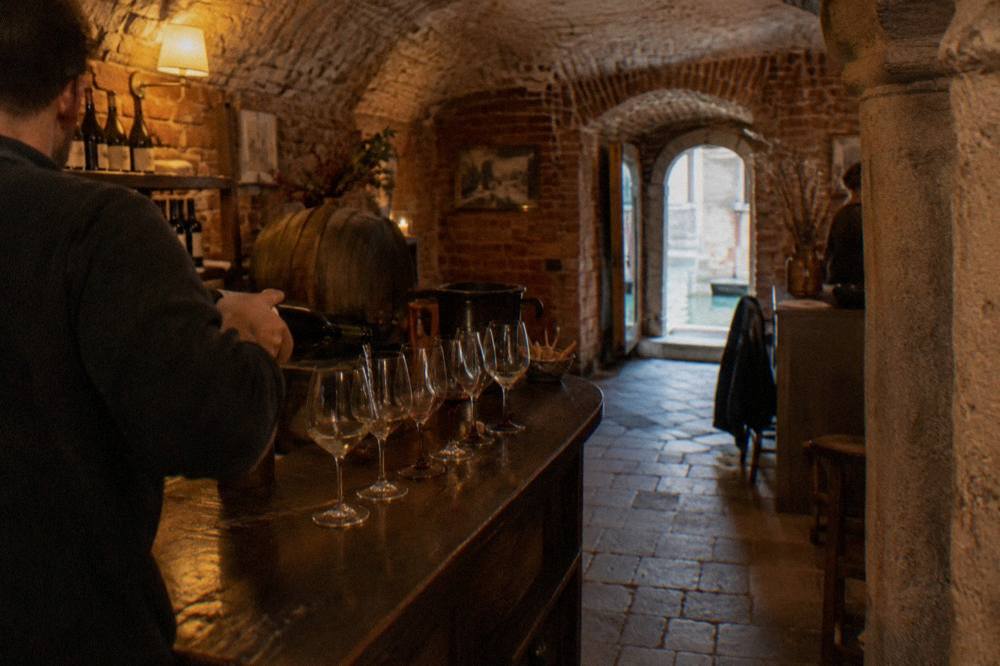
Most tastings in Venice happen in one of three settings: the bacaro counter, which is standing room only and historically a wine bar first; the enoteca or wine bar, with tables, longer lists and sometimes cellar space; and historic settings such as lagoon-side terraces or former merchant buildings, which a few operators use for the occasion itself. The setting changes the pace of the tasting more than the wine does.
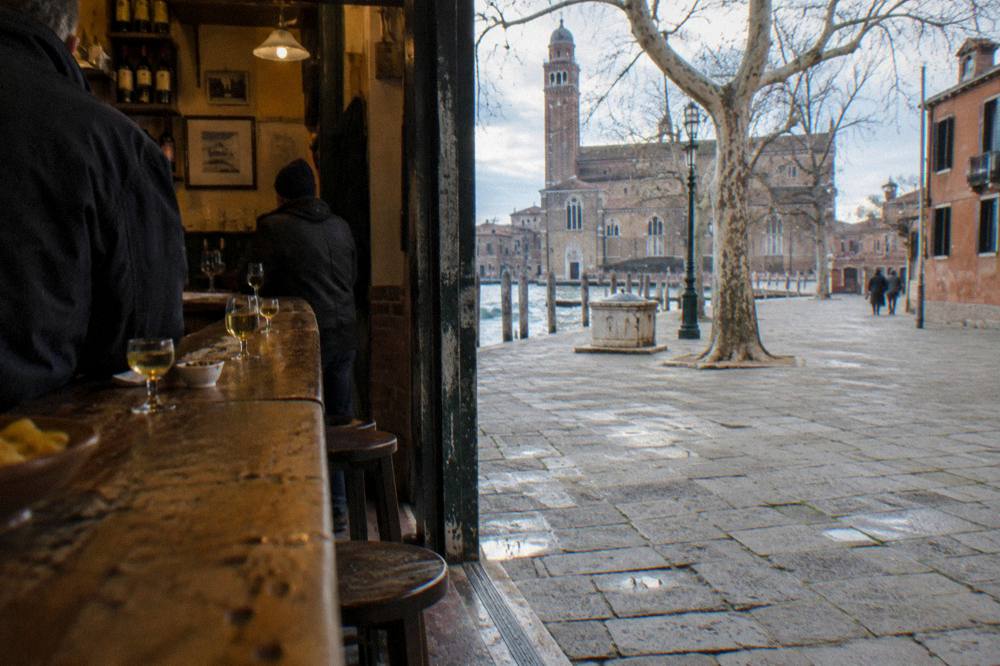
The bacaro version is fast and cheap and needs no booking. The enoteca version rewards a sit-down: you get a list, you can compare a Soave against a Prosecco side by side, and staff will talk you through it if the room is quiet. The third category is where the paid experiences live, and the settings are part of what you are buying. A Venetian Aperitif on The Lagoon, a 1 hour 20 minute experience, pours drinks with the lagoon as the backdrop, which no enoteca can compete with on view, whatever is in the glass. The full index of guides sits on Venice Food Tours.
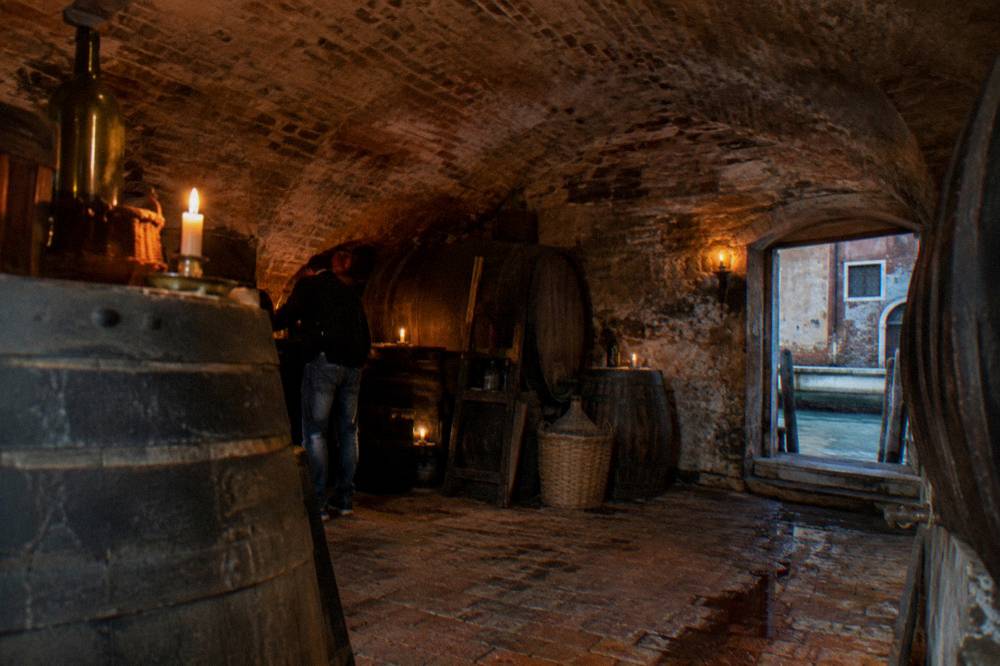
What no setting guarantees is a specific bottle. Vintage, producer and even grape can change with the season, and the honest answer to what will be poured is always on the booking page rather than in a guide, including this one. What the listing does state for each option is the duration, the meeting point and what is included, and those three facts decide more of your day than the wine list does.
If a sommelier-level experience is what you are after, the Private Venice Street Food Tour with a Sommelier, 3 hours, is the option built around it, a private walk where the wine credentials of the guide are the headline. It is also the priciest way to drink in the city, on the listing, and suits a group splitting the cost or a traveller for whom wine is the trip's purpose.
One practical note for anyone building a cellar-heavy day: guided groups in the historic centre are capped at 25 people and loudspeakers are banned, as reported, so guides use headsets on larger walks. If a quiet cellar is the fantasy, a private option or a small-group listing is the way to protect it. The booking page for each walk states its group size.
Pairing Wine With Cicchetti: The Walk That Does Both
The hybrid food-and-wine walk is Venice's most complete tasting format because Veneto wine and cicchetti were designed for each other: salt cod spread wants a dry white, fried anchovies want fizz, and a tart Raboso resets the palate between bites. Walks on offer run 2 to 3.5 hours and typically include a stated number of tastings and drinks per person, as each listing specifies.
The logic of pairing in a bacaro context is forgiving. You are not matching a sauce to a vintage, you are alternating a bite of something salty or fried with a mouthful of something acidic or sparkling, and nearly everything on a Venetian counter cooperates. That is why the format works for visitors who know nothing about wine: the pairing is almost automatic, and the guide's commentary is garnish rather than homework.
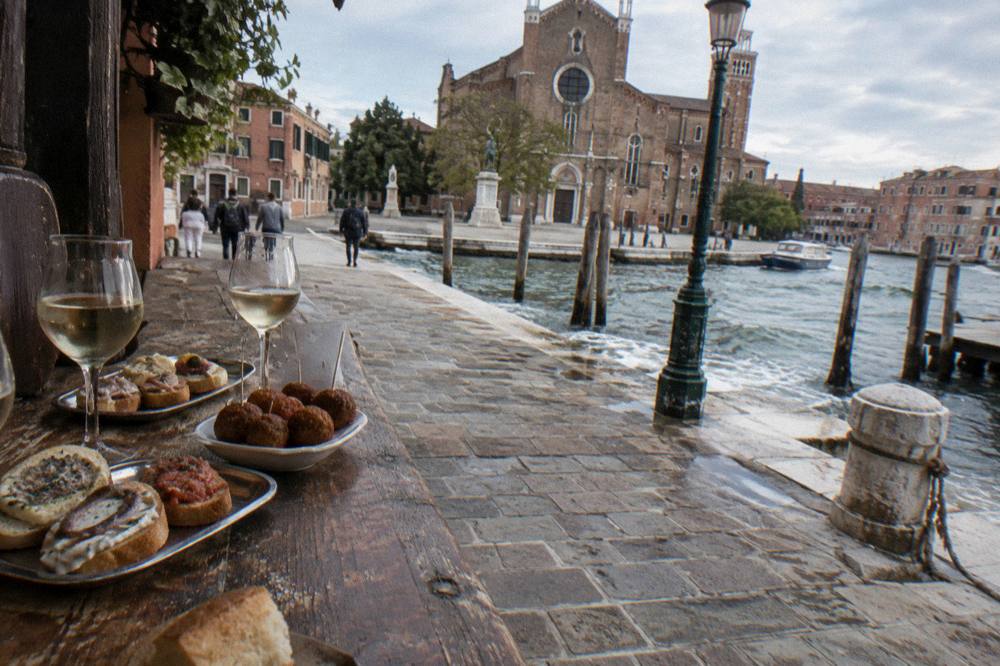
The strongest version of the format for wine drinkers specifically is the Venice Food Tour: Sunset Cicchetti & Wine Tasting, a 3 hour walk timed so the last stops land in aperitivo hour, which is when the spritz, that other Veneto invention, joins the wine. For a wider lens on the ritual itself, including how Aperol and Select differ and which the locals actually order, see the guide to spritz in Venice and the local way to drink it.
Taste Venice Like a Local: Food, Wine & Spritz, 2.5 hours, is the tighter version of the same idea, built around the three pillars in its name and short enough to leave the evening free. Whichever you choose, the tasting counts and the exact inclusions are stated on the booking page, and those numbers are worth reading closely, because they vary more between walks than the wine does.
The Eat Drink Repeat walk pushes the format to its ceiling: 10 tastings and 6 wines across 2.5 to 3 hours, the most poured of any walk described here. That is a meal with a wine education attached, not a tasting, and it suits a group that wants one big evening rather than several small ones. Book it as dinner, because it functionally is.
Dietary needs deserve one flag here. Where a listing does not state vegetarian, vegan or gluten-free suitability, the answer is not no, it is unknown: message the operator before booking and ask. The counter's staples include both bread-based and fish-based bites, so the question matters more on a food walk than at a pure tasting.
| Walk | Duration | Wine angle | Best for |
|---|---|---|---|
| Taste Venice Like a Local: Food, Wine & Spritz | 2.5 hours | Wine and spritz as co-headliners | An evening with room left after |
| Venice Food Tour: Sunset Cicchetti & Wine Tasting | 3 hours | Wine-led, timed to aperitivo hour | Sunset atmosphere with the pours |
| Eat Drink Repeat walk | 2.5 to 3 hours | 6 wines with 10 tastings, the maximum | One big dinner-grade event |
| Venice Bacaro Food Tour | 3 hours 30 minutes | Wine inside a full Venetian evening | Slow, immersive first visit |
How To Choose Between A Tasting And A Walk
Choose a pure tasting if you are short on time, curious about Veneto grapes specifically, or drinking with someone who will not manage three hours on foot; choose a food-and-wine walk if this is your first Venice visit, dinner and wine are the same event for you, or you want a guide to carry the evening. The one-hour tasting and the 3.5 hour walk are not competitors, they are different days.
Time is the first filter. A one-hour tasting costs one hour and pairs naturally with a museum or a sunset walk afterward. The long walks consume the better part of an evening, which is exactly their appeal if you would otherwise be hunting a restaurant in the alleys around San Marco. The second filter is mobility: bacaro crawls and food walks cover real distance on foot, Venice is a walking city by definition, and a seated tasting removes that variable entirely.
Money is the third. A self-guided ombra crawl built on reported counter prices, EUR 1.50 to 4 a cicchetto and EUR 1 to 2.50 a glass, can run an entire evening for the cost of a single restaurant main, and it is a genuinely good evening. Guided options cost more, with prices on each listing, and what the premium buys is selection, structure and someone whose job is the evening. Both are correct answers. The comparison of which Venice food walk to book works through the same decision for food-led walks, and the logic transfers.
Whatever you book, the same three checks apply: the meeting point and inclusions on the booking page, the cancellation terms, and the group size. A lagoon aperitif like A Venetian Aperitif on The Lagoon, 1 hour 20 minutes, is the wildcard option, less a tasting than a toast with a view, and a fine way to end a day whose wine education happened earlier, standing at a counter, one small glass at a time. That is the full arc of wine in this city, and every version of it is still available to you tomorrow.
Planning around the calendar matters less for wine than for markets, but one rule deserves a mention: the 2026 day-visitor access fee trial ended on 27 July 2026 and no fee applies to visits now, with 2027 dates already listed on the official access fee page but amounts not yet published. Check that page if your trip falls in spring or summer 2027.
Common Questions About Venice Wine Tasting
What Is An Ombra In Venice?
An ombra is a small glass of house wine, roughly 100 ml, traditionally drunk standing at a bacaro counter. Reported prices run from EUR 1 to 2.50 a glass in local spots, and the word, which means shadow, dates back to wine sellers who moved with the shadow of the Campanile in Piazza San Marco.
How Much Does Wine Tasting In Venice Cost?
The self-guided version costs very little: reported house wine prices of EUR 1 to 2.50 a glass and cicchetti at EUR 1.50 to 4 a piece in local bacari. Guided tastings and food-and-wine walks cost more, with each price stated on the operator's booking page, and durations run from one hour to three and a half.
Which Veneto Wines Should I Try In Venice?
Start with Prosecco, Soave and one Veneto red, either Valpolicella or, if the tasting offers it, Amarone, which is made from dried grapes and tastes of concentrated dried fruit. Raboso, a tart traditional red, is the local wildcard worth trying in company.
Can I Drink Wine Outside In Venice?
A standing municipal regulation, reported on the city's own rulebook, prohibits drinking from glass containers outside permitted outdoor seating areas and bans takeaway sales of alcohol in untapped glass bottles, with reported fines of EUR 25 to 500. Drink at the counter or at a table, and check the current rules before your trip.
Is A Wine Tasting Or A Food Walk Better For A First Visit?
A food-and-wine walk covers more ground, feeds you dinner-level bites and needs no planning instinct of your own, which suits a first visit. A one-hour tasting suits a short stay, a wine-focused traveller or anyone who wants the evening free afterward.
Do Venice Tastings Cater To Dietary Needs?
Only where the listing says so. If vegetarian, vegan or gluten-free suitability is not stated, message the operator before booking and ask, since counter staples include both bread-based and fish-based bites.