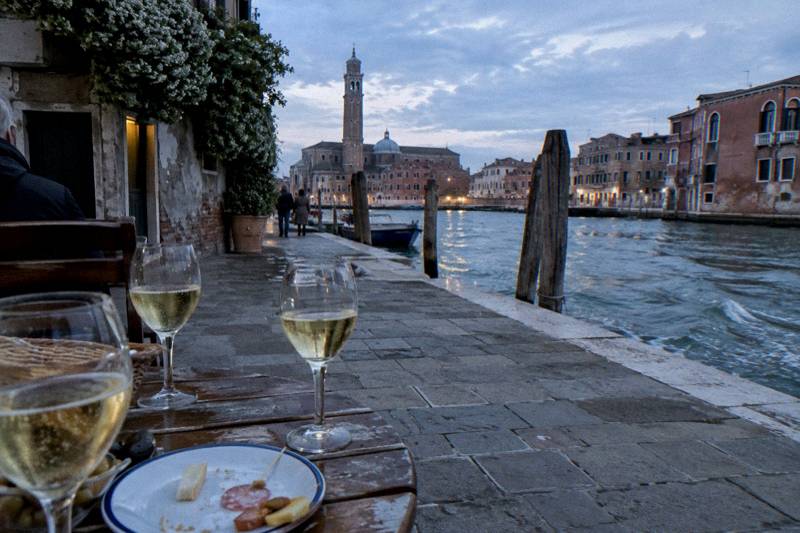
Veneto Wines To Know: Prosecco, Soave And Amarone
Four wines explain almost every glass poured in Venice: a sparkling white from the hills, a still white from volcanic soils, a dried-grape red, and a tart local one most visitors never meet.
Short answer
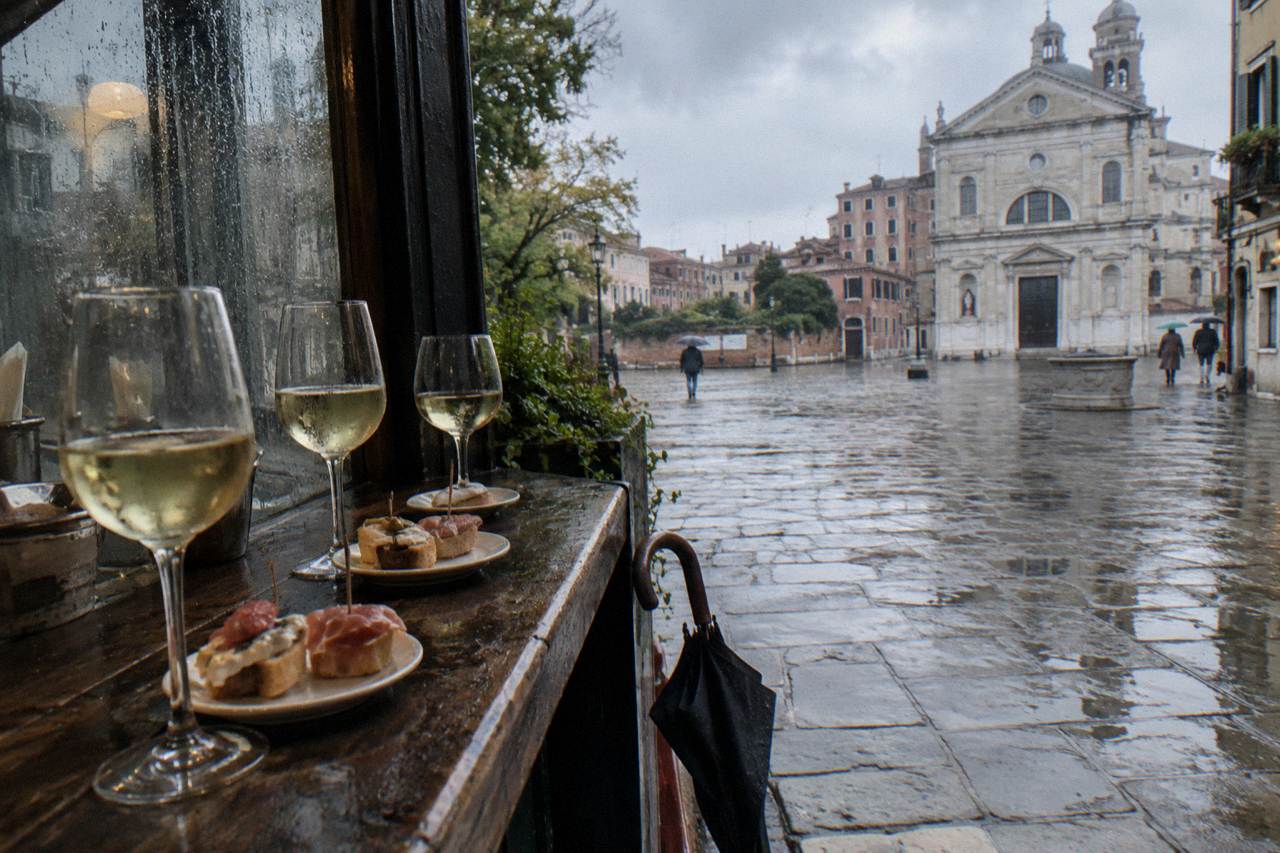
The Veneto region behind Venice produces Prosecco, a sparkling Glera wine from the hills north of the city; Soave, a still Garganega white; Amarone, a rich red made from dried Corvina grapes; and Raboso, a tart local red. A guided tasting that pours several of them side by side, with cicchetti, is the fastest way to learn the differences.
Almost every glass poured in a Venetian bacaro comes from the same region. The Veneto, the wine region that surrounds the lagoon, produces the sparkling wine the world calls Prosecco, a quiet volcanic white called Soave, one of Italy's most serious dried-grape reds in Amarone, and a tart local red named Raboso that most visitors never taste by name even when they drink it. Understanding these four opens the door to nearly every wine list in the city, from the EUR 1 ombra at a standing counter to a sit-down tasting with a sommelier. This guide explains what each wine is, what it tastes like, what to order it with, and how a guided tasting presents them, so the choice at the counter stops being a gamble. Where a detail depends on the operator, such as exact pours or which wines a given tasting includes, the booking page is the place to confirm.
What Are The Main Wines Of The Veneto?
Four wines cover most of what you will be offered in Venice: Prosecco, the sparkling Glera-based white from the hills between the lagoon and the Dolomites; Soave, a still white made mainly from Garganega near Verona; Amarone della Valpolicella, a full-bodied red made from grapes dried before fermentation; and Raboso, a tart, tannic red grown on the Venetian plain and historically the wine of the lagoon's bars. Together they span every style a bacaro or enoteca pours, from aperitivo bubbles to cheese-course reds.
The geography explains the range. The Veneto stretches from the Adriatic coast across flat plains to alpine foothills, and its vineyards sit in distinctly different pockets: the Prosecco hills run north of Treviso, the Soave zone sits east of Verona on volcanic and limestone soils, the Valpolicella hills rise just northwest of Verona, and Raboso survives on the damp plain in the Piave area east of Venice. A region that varied was always going to make more than one kind of wine, and Venetian drinking culture, built on the ombra, the small standing glass, encourages trying several in an evening rather than committing to a bottle.
The table below is the orientation map for everything that follows: one row per wine, its grape, its home zone and its style in the glass.
| Wine | Main grape | Home zone | Style |
|---|---|---|---|
| Prosecco | Glera | Hills north of Treviso | Sparkling, tank method, light and fruity |
| Soave | Garganega | Soave zone, east of Verona | Still white, dry, stony finish |
| Amarone della Valpolicella | Corvina and related varieties | Valpolicella hills, northwest of Verona | Full-bodied red from dried grapes, high alcohol |
| Raboso | Raboso (Piave) | Venetian plain around the Piave | Tart red, high acid, firm tannins |
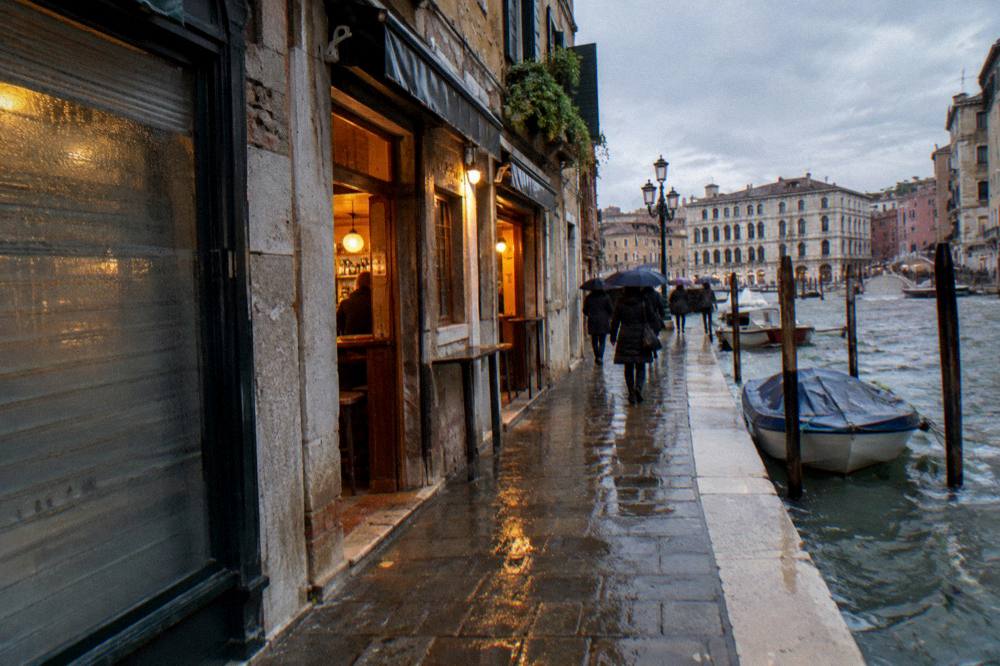
That culture is what a tasting walk plugs into. The traditional ombra is a roughly 100 ml pour of house wine, and in local bacari a reported EUR 1 to 2.50 still buys one at the counter, with cicchetti at a reported EUR 1.50 to 4 a piece, according to the official Visit Venice food pages. The number of pieces and glasses adds up fast, which is why the standing crawl and the guided tasting have quietly converged: the guided version simply counts the stops, names the wines, and explains what you are drinking. For how that counter ritual actually works, see how a bacaro crawl works, and for the full pouring tradition, the ombra and Venetian wine ritual.
What Is Prosecco And Why Is It Everywhere In Venice?
Prosecco is a sparkling white wine made mainly from the Glera grape in the hills north of Venice, produced by the tank method, which keeps it fresh, fruity and comparatively light, and it is everywhere because it is the local aperitivo: the base of the spritz, the default toast, and the wine the region ships around the world. Most of what you taste in a bacaro is the dry-but-fruity style labelled Brut or Extra Dry, though the name Extra Dry is misleading, as it sits slightly sweeter than Brut.
The connection to Venice is practical as much as patriotic. The Prosecco hills lie an hour or so north of the lagoon, so the wine arrives fresh, cheap by the glass, and in endless supply. It is also the structural partner of the spritz, the orange aperitivo Venice claims as its own. The classic composition is general knowledge: a bitter orange liqueur such as Aperol or the more local Select, topped with Prosecco, a splash of soda, and an olive on a pick. The spritz deserves its own explanation, and the guide to spritz, Aperol, Select and the local way covers when locals actually drink it.
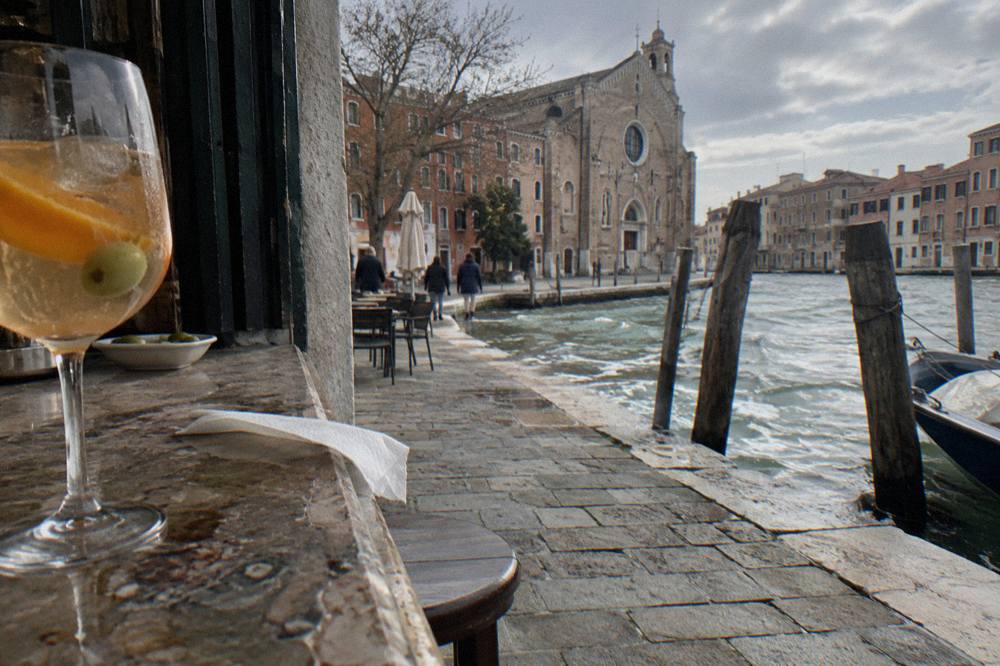
What Prosecco is not: a champagne-style wine. The tank method means it is meant to be young, floral and immediate, with pear, green apple and acacia notes rather than bready, aged complexity. That profile is exactly why it pairs so easily with salty, oily cicchetti: the bubbles and acidity cut through baccalà mantecato, fried seafood and cured meats. If you want the theory first and the vineyards later, the fuller picture of the hills themselves is in a Prosecco hills day trip from Venice.
The fastest way to taste Prosecco against still Veneto whites is a guided tasting, and the featured option here does exactly that.
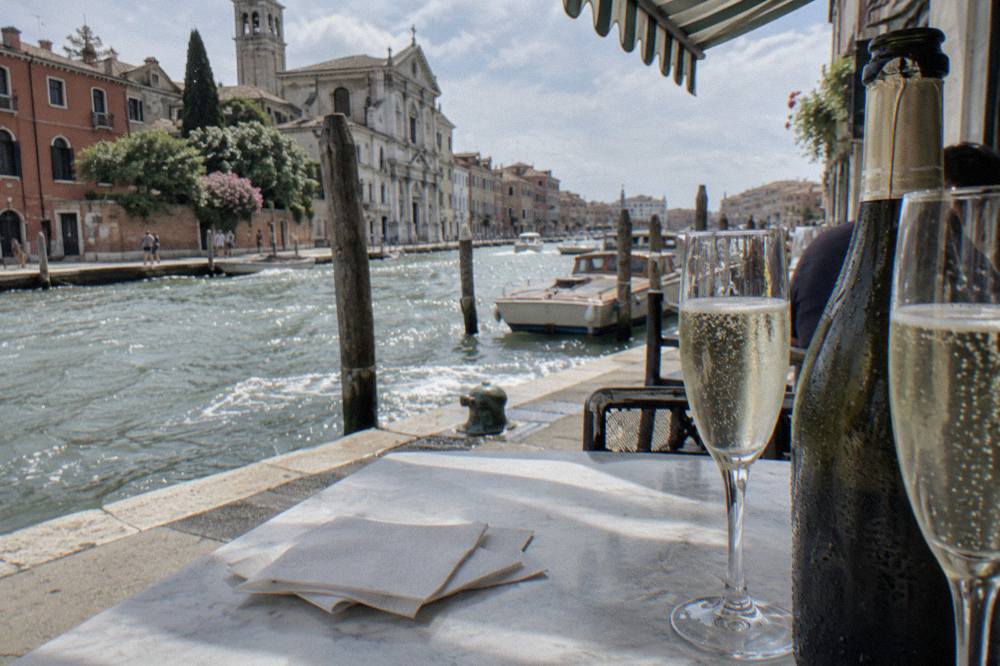
What Is Soave And When Should You Order It?
Soave is a still white wine made chiefly from the Garganega grape on volcanic and limestone soils near Verona, and it is the quiet workhorse of Venetian wine lists: dry, medium-bodied, with white flower, almond and citrus notes, and best ordered when you want a still white that matches seafood and vegetable cicchetti without the sweetness some visitors read into Italian whites. It is the wine to reach for when the counter offers grilled octopus, artichokes or a delicate fried fish.
Soave suffers from an old reputation problem. It was long overproduced and exported as a thin, generic white, and the name still carries that memory for some drinkers. The better modern versions, particularly from the hillside Soave Classico zone, show real minerality and structure, and a tasting that pours one beside a Prosecco makes the difference obvious within a sip: the Prosecco is about fizz and fruit, the Soave about texture and a stony finish. Neither is better; they do different jobs.
Timing matters with Soave. As an aperitivo it suits people who find sparkling wine too showy for a quiet early evening; alongside food it is one of the most forgiving whites in Italy, happy with the lagoon's fish cooking, from sardines in saor to simpler grilled catches. It rarely dominates a dish, which in a city whose cuisine is fundamentally seafood-and-seasoning makes it a safe and interesting order. For the dishes themselves, the guide to traditional Venetian dishes and what to eat maps the plates to the glasses.
A structured hour with a host pouring several Veneto styles side by side is the easiest comparison to run on a short trip.
What Is Amarone And Why Does It Cost More?
Amarone della Valpolicella is a full-bodied red made near Verona from Corvina and related grapes that are dried on racks for weeks after harvest, concentrating sugar and flavour before fermentation, and it costs more because the drying process shrinks the crop, loses water to evaporation, and demands months of extra handling before the wine even ages in wood. Expect dried cherry, fig, tobacco and a warm, gently bitter almond finish, with alcohol commonly around 15 to 16 percent.
The drying method, appassione in Italian, is the whole story. Grapes laid out in ventilated lofts through the autumn lose a substantial share of their water, so each bottle requires far more fruit than a conventional red. The result ferments fully dry, despite the concentration, and emerges with a rich, almost port-adjacent weight without sweetness. In Venice it appears mostly in the evening, at sit-down dinners rather than standing bacari, because its power suits slow food: aged cheese, braised beef, duck, or the richer risotti of the winter table. It is the wrong wine for a lunchtime ombra and the right one for the last hour of a long dinner.
Visitors often meet Amarone first as a comparison pour in a guided tasting, and that is a sensible introduction, since a small taste shows the style without committing a whole evening to it. A recioto, the sweet sibling made from the same dried grapes but fermented sweet, sometimes appears alongside it; the two share grapes and method and split at the sugar line. Tastings that include Veneto reds usually pour one or the other, and the exact lineup is always stated on the booking page. For how such evenings are structured generally, see the guide to an evening food walk and aperitivo hour.
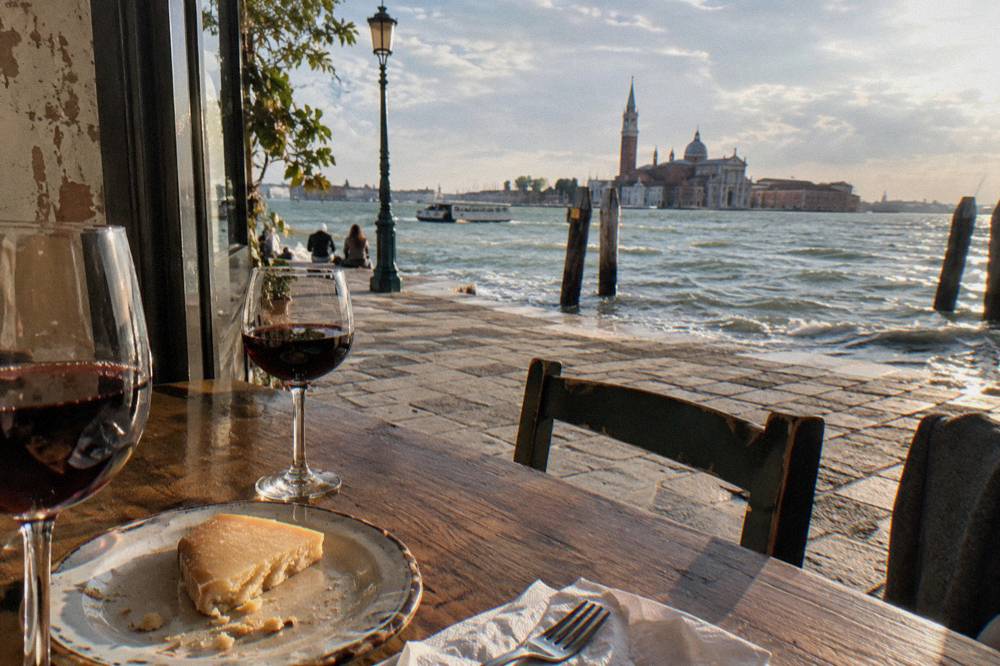
What Is Raboso, The Venetian Red Almost Nobody Names?
Raboso is a tart, high-acid red grape grown on the Venetian plain around the Piave, historically the everyday red of the lagoon's wine bars, and it is the wine behind the phrase "vin bon", the good wine old bacari still pour, usually in the frizzante lightly sparkling style, where its fierce tannins and sour-cherry bite are treated as the point rather than a flaw. Order it when you want the wine Venetians drank before Prosecco conquered the world.
Raboso divides drinkers sharply. Its acidity is bracing and its tannins firm, closer to an old-style rustic red than to anything soft and modern. Traditionalists argue that is exactly what cuts through fried cicchetti and cured pork; skeptics find it thin and sour. Both readings are fair, which is why trying it in a small pour, ideally beside a friendlier Veneto red, is the sensible test. Some producers make a raisined version, similar in idea to recioto, that softens the grape considerably.
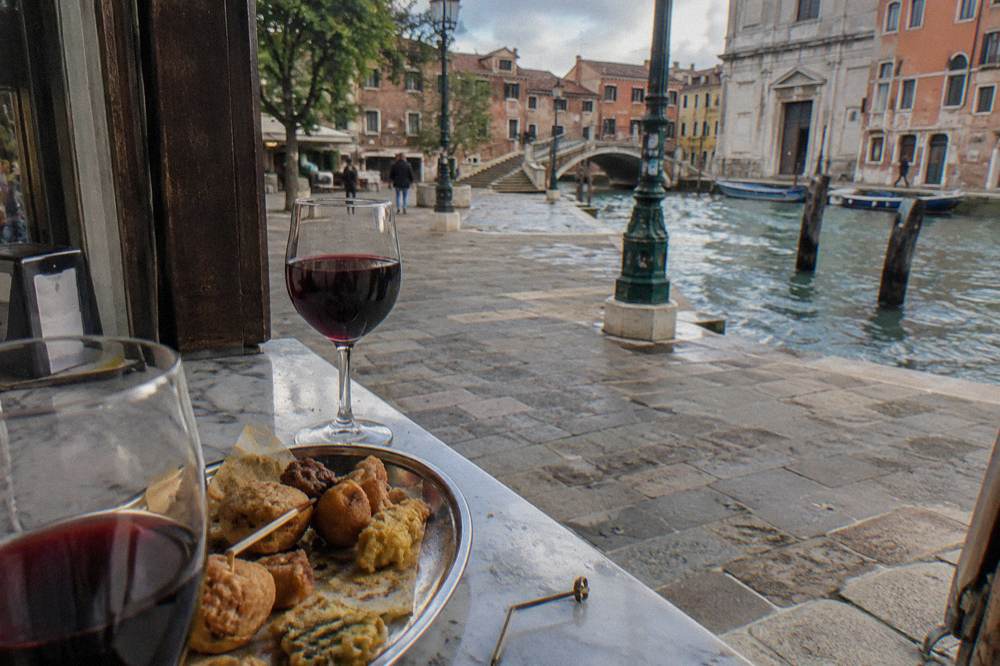
The grape also has a supporting role in aperitivo history: the deep red partner in some classic spritz recipes before Aperol's orange took over the world. That older style survives in a handful of historic bars. For the fuller story of those bars and the drinking culture around them, the page on the most famous bar in Venice is the companion read, and for what a modern crawl looks like, which Venice food walk to book sorts the formats.
A tasting that reaches beyond Prosecco into the region's reds is the natural place to meet Raboso safely, in a counted pour rather than a full glass.
Which Wine Goes With Which Cicchetti?
Match the wine to the fat and salt of the plate: Prosecco's bubbles and acidity for fried seafood and creamy baccalà, Soave for grilled fish and vegetables, Raboso for cured meats and rich fried bites, and Amarone held back for cheese or a sit-down course, because its weight overwhelms delicate lagoon fish. The standing-counter logic is simple: the saltier and oilier the cicchetto, the crisper the wine should be.
The table below turns that logic into an order-at-the-counter cheat sheet. It is planning guidance, not a rulebook; bacari pour what they pour, and half the pleasure is discovering a pairing nobody recommended.
| Wine | Style in the glass | Best cicchetti partners | When to skip it |
|---|---|---|---|
| Prosecco (Brut or Extra Dry) | Sparkling, fruity, light | Fried seafood, baccalà mantecato, fried zucchini flowers | With heavy meat stews, where it disappears |
| Soave | Still white, dry, stony finish | Grilled octopus, artichokes, sardines in saor, tramezzini | If you specifically want bubbles for a toast |
| Raboso | Tart red, firm tannins, sour cherry | Cured meats, salami, aged cheese, rich fried bites | With delicate white fish; the tannins fight it |
| Amarone | Rich dried-grape red, high alcohol | Aged cheese, braised meat, late-evening cheese board | At a standing lunch crawl; too heavy, and priced accordingly |
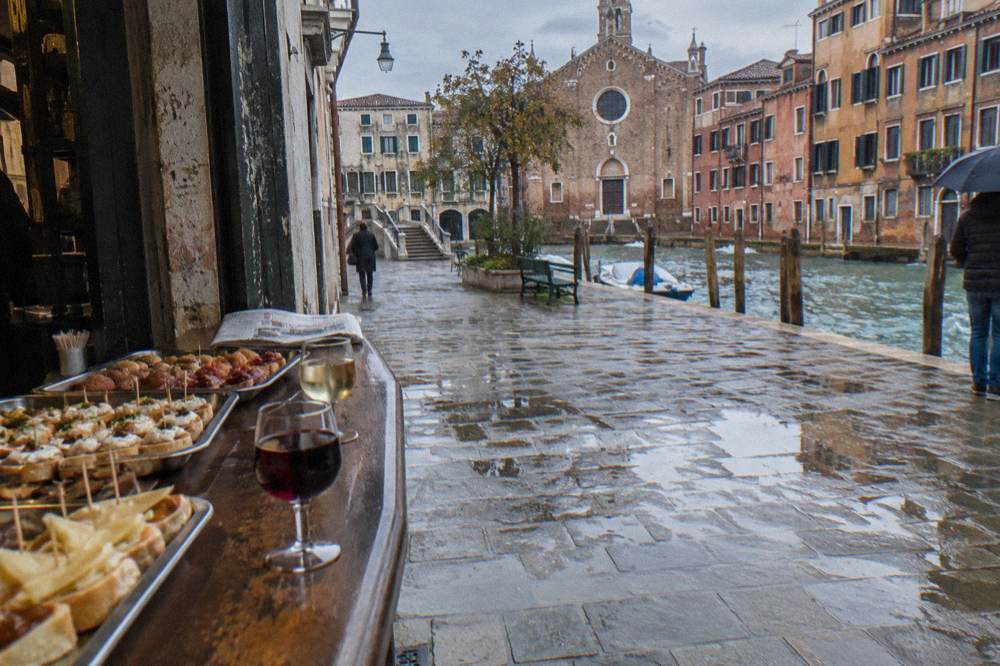
Two practical notes from the counter. First, the coperto, the per-person cover charge, commonly EUR 1 to 5 where applied, is usually avoided by standing at the bar rather than taking a table, as reported; menus must disclose it. Second, dietary questions belong to the operator: unless a listing explicitly says a tasting suits vegetarians or the gluten-free, message the host before booking, since the accompanying bites are part of the experience. The site's guide to vegetarian, vegan and gluten-free eating in Venice covers the wider city picture.
What Actually Happens At A Venice Wine Tasting?
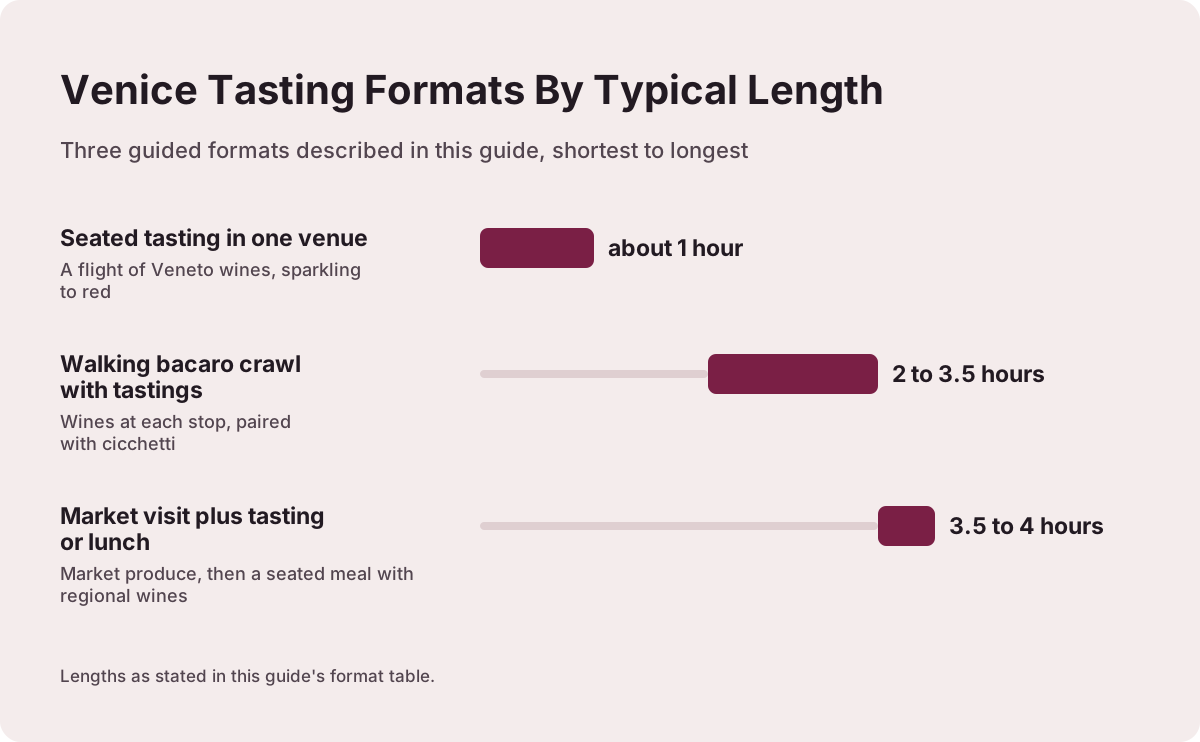
A typical guided wine tasting in Venice runs from one to three hours: you meet a host at a stated central point, sit or stand at a counter or table, and work through a set number of pours, usually three to six wines, often paired with cicchetti or a seated snack, with the host explaining each wine's grape, zone and production as it arrives. Larger experiences weave in short walks between bacari; pure tastings stay in one room.
The format splits into three families, and the choice is mostly about energy and time. The table below compares them on the dimensions that actually decide the booking.
| Format | Typical length | What is poured | Best for |
|---|---|---|---|
| Seated tasting in one venue | about 1 hour | A flight of Veneto wines, sparkling to red, sometimes with a spritz demo | Tired feet, bad weather, wine-first visitors |
| Walking bacaro crawl with tastings | 2 to 3.5 hours | Wines at each stop, paired with cicchetti, moving between bars | First-time visitors who want sights plus food |
| Market visit plus tasting or lunch | 3.5 to 4 hours | Market produce, then a seated meal with regional wines | Travellers who want the full food chain story |
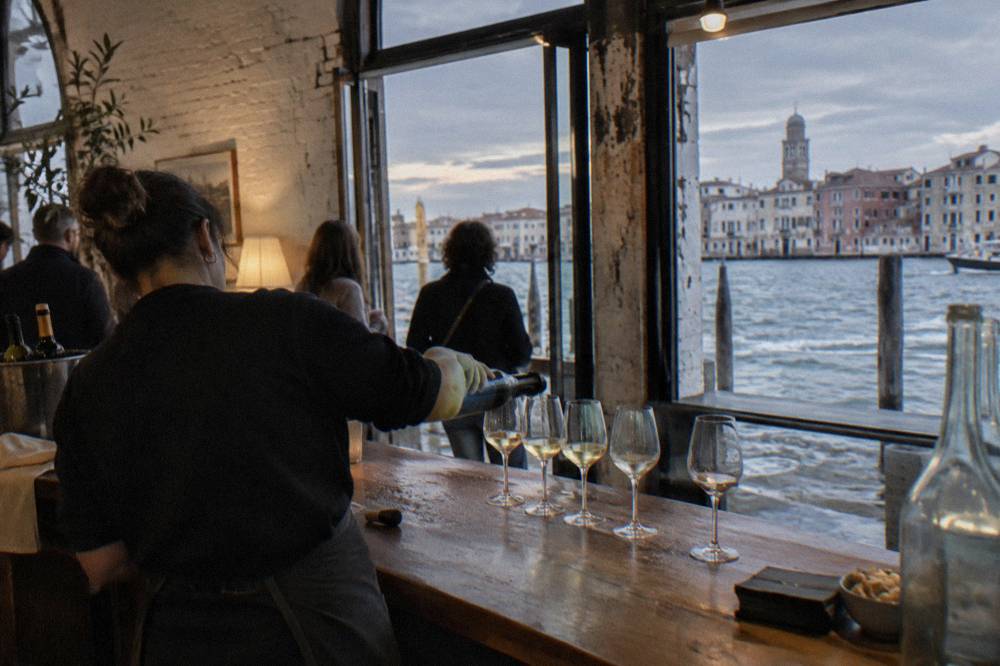
The featured one-hour tasting experience is the pure example of the first row: a seated hour devoted to Prosecco and other Italian wines, small in scale, easy to slot into any day, and bookable with a free-cancellation note on its page. Check availability if a focused hour suits your pace better than a crawl. For the wine-first reader who wants a fuller comparison of every format, the Venice wine tasting guide, from ombra to cellars is the deep version of this section.
One structural fact worth knowing: guided groups in Venice's historic centre and lagoon islands are capped at 25 people, and loudspeakers are banned, so guides speak through headsets on busier walks. That cap is a standing city rule, reported as ongoing, and it is why small-group tastings genuinely feel small. The meeting points and what to bring guide covers the practical morning-of details.
Can You Drink Outdoors In Venice?
Not from glass, and not with takeaway bottles: a standing municipal regulation prohibits consuming drinks from glass, ceramic or similar containers outside permitted seating areas of licensed establishments, and bans takeaway sales of alcohol in glass bottles or glasses for public consumption, with reported fines of EUR 25 to 500. Drink your ombra standing at the counter or seated at a bar's tables, and check the current rules before assuming anything about public drinking.
The rule exists to keep Piazza San Marco and the calli free of broken glass and wandering drinkers, and enforcement is real. For a wine traveller the practical reading is simple and rather pleasant: drinking in Venice is a stationary, social act, done at a counter or a table, which is precisely the format the bacaro has offered for centuries. The regulation is described here as reported from the municipal text; rules can be amended, so verify before you travel.
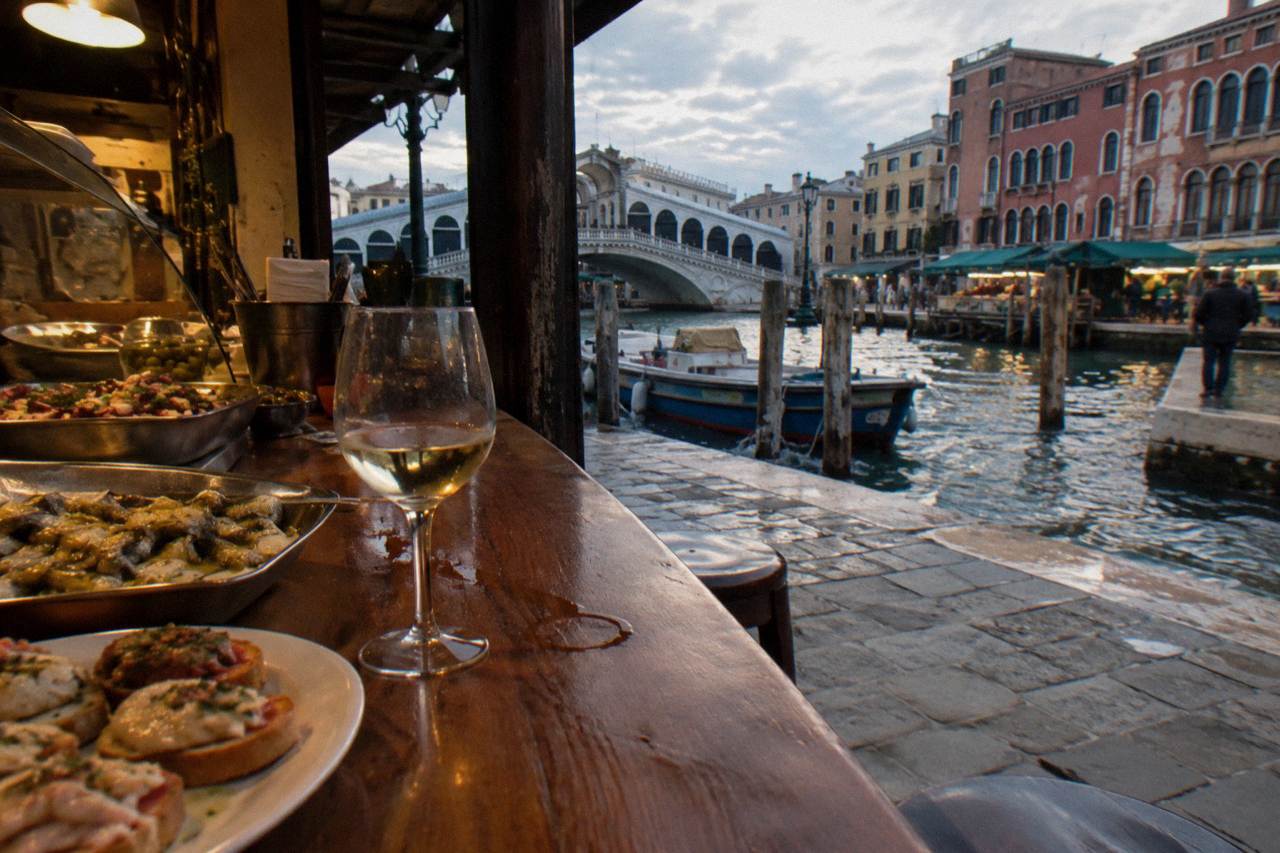
This is also why the guided crawl format works so well in this city. A host moves you between licensed venues where standing and drinking is the norm, and every pour happens legally, sociably, and with someone explaining what is in the glass. A group crawl built on ten cicchetti tastings with wine across four bacari is a good example, and Check availability shows the live dates.
How Do You Choose Between A Tasting, A Crawl And A Private Session?
Choose by how much wine you want explained versus eaten: a seated tasting teaches the most per hour, a walking crawl splits attention between wine and the city, and a private session with a sommelier lets you set the pace, the depth and the questions, at a higher price per person that reflects the undivided guide. All three formats exist across the options compared on this site, and the right one depends on the day, not on any ranking.
For visitors whose main goal is to leave Venice able to name what is in the glass, the seated hour wins on efficiency. For visitors who want the wine attached to places, faces and a walk through Cannaregio or Dorsoduro, the crawl wins on memory. And for groups, or for travelers who already know Prosecco and want the deep cut on Veneto reds, a private sommelier-led walk is the version where the itinerary bends to you; the guide on when a private food walk is worth it prices out that logic in full. A private street-food walk led by a sommelier sits exactly on that boundary, wine expertise applied to a street-food route.
Cost expectations deserve one honest paragraph, because wine experiences vary more in price than cicchetti walks do: the featured seated tasting and the small-group crawls each state their per-person price and inclusions on their own pages, and those figures move with season and demand, so treat the booking page, not this article, as the price of record. The site's broader breakdown of what a Venice food walk costs and what is included explains the anatomy of those prices, from tastings to guide fees. As a rule of thumb, the more wine and the fewer walkers, the higher the per-person figure; the more stops and the larger the group, the lower it tends to sit.
One last practical pairing of format and moment: tastings run in almost any weather and at almost any hour, crawls suit a hungry evening, and the aperitivo hour between about 6 and 8 pm is when Venetian drinking culture is at its most visible. Whatever you choose, book the wine-first experiences early in your trip rather than on the last night; you will want to use what you learned at the counter afterwards, and Venice Food Tours exists precisely to make that second evening smarter than the first.
A Note On Getting To The Wine Country Itself
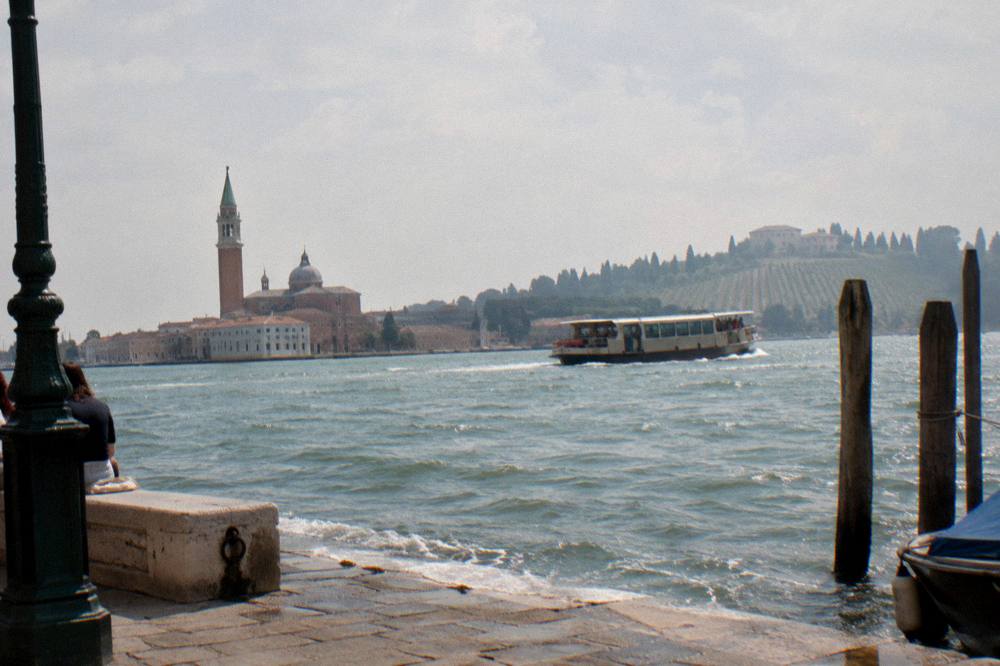
The Prosecco hills, the Soave zone and the Valpolicella all sit within roughly one to two hours of Venice by train, bus or organized day trip, so tasting in the city and visiting the vineyards are two different trips, and the second needs a full day rather than an evening. The lagoon, for all its wine bars, grows almost no grapes of its own; the exception is a handful of island vineyards, but no lagoon-island wine tour appears among the options this site covers.
Train service connects Venice to the wine towns efficiently, and many visitors combine a morning market with an afternoon departure. For travelers who want the full-day version, the site's Prosecco hills day trip guide covers the practicalities, and for those staying in the lagoon, Burano and Murano with food stops shows the island alternative. The split is worth planning deliberately: a city tasting teaches the wines in an hour; a hills day trip shows you where one of them is born.
If your time in Venice is short and your interest is the glasses themselves, start seated, finish standing, and let the two formats teach each other's lessons.
Common Questions About Veneto Wines
What Is The Difference Between Prosecco And Soave?
Prosecco is a sparkling white made mainly from Glera in the hills north of Venice, fresh and fruity with tank-method bubbles. Soave is a still white made mainly from Garganega near Verona, dry and stony with an almond finish. One is for toasting and salty fried bites; the other suits grilled fish and vegetables.
Which Veneto Wine Should I Order With Cicchetti?
Prosecco for fried seafood and creamy baccalà mantecato, Soave for grilled fish and vegetable plates, and Raboso for cured meats and cheese. The saltier and oilier the bite, the crisper and more acidic the wine should be.
Why Is Amarone More Expensive Than Other Veneto Reds?
Its grapes are dried on racks for weeks after harvest, which concentrates flavour but shrinks the usable crop and adds months of handling before ageing. Each bottle needs substantially more fruit than a conventional red, and the price reflects that.
Can You Drink Wine Outside In Venice?
Not from glass. A standing municipal regulation prohibits drinking from glass or ceramic containers outside licensed seating areas and bans takeaway sales of alcohol in glass, with reported fines of EUR 25 to 500. Drink at the counter or a bar table, and check the current rules before your trip.
How Long Does A Venice Wine Tasting Last?
Seated tastings run about an hour, walking crawls with wine and cicchetti typically run 2 to 3.5 hours, and market-plus-tasting formats reach about 4 hours. Exact durations and inclusions are stated on each operator's booking page.
Is A Wine Tasting In Venice Worth It If I Only Know Prosecco?
Yes, that is exactly the visitor a tasting serves best. A guided flight pours sparkling, still white and red Veneto wines side by side, so the differences land in one sitting rather than across a week of guesswork at the counter.