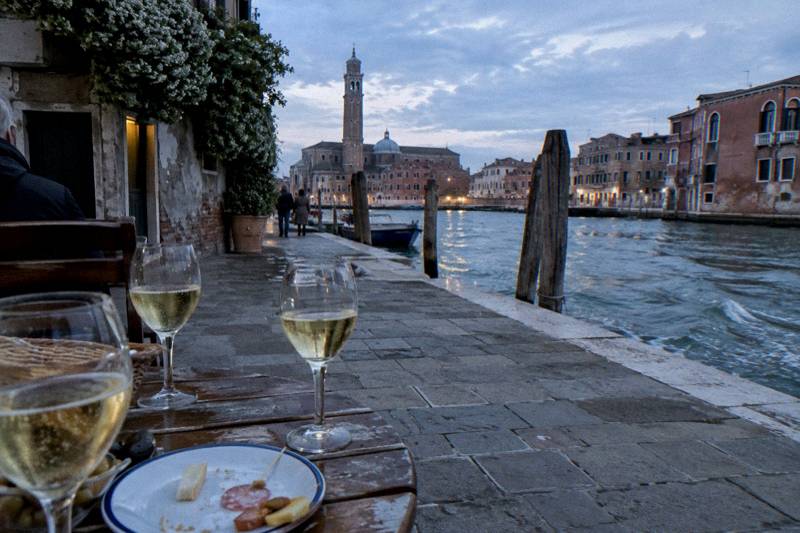
Prosecco Hills Day Trip From Venice With Food And Tasting
The Conegliano Valdobbiadene Prosecco zone sits about an hour north of Venice, and it is the closest thing the region has to a wine country escape: steep hillside vineyards, family cellars and long agriturismo lunches. Here is how the day works, whether you go with a guide or by train.
Short answer
The Prosecco hills of Conegliano and Valdobbiadene lie north of Treviso, reachable in about an hour by car, train or guided bus. A guided wine tour pairs cellar visits with a local lunch, while the independent route uses regional trains to Conegliano or Valdobbiadene. Reported vaporetto fares and market hours come from official sources.
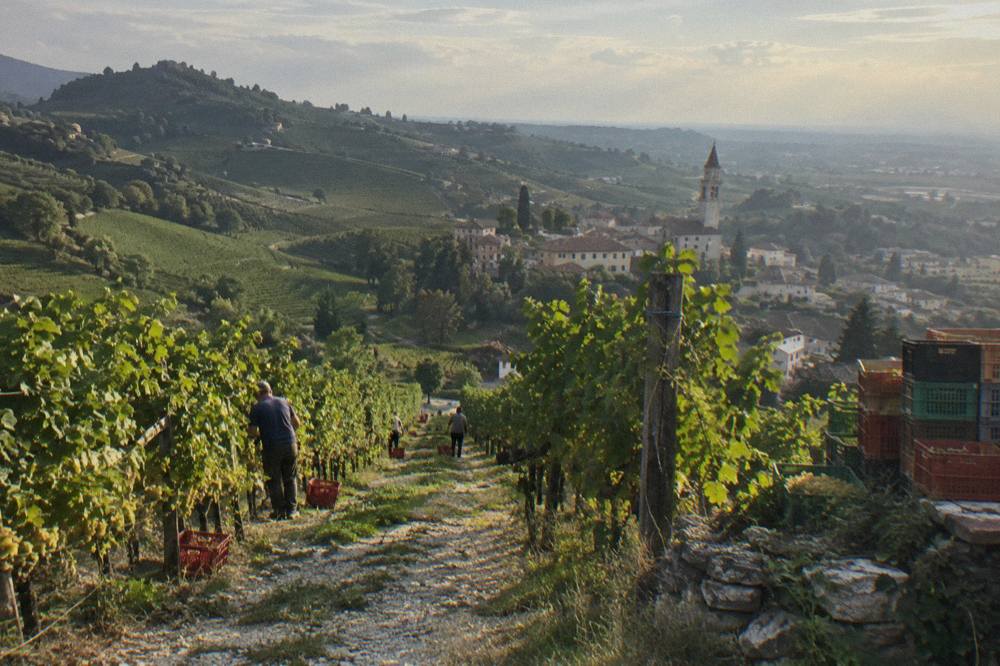
The prosecco you drink standing at a bacaro counter almost always began life on a steep hillside less than two hours from where you are standing. The Conegliano Valdobbiadene zone, the historic heart of prosecco production, stretches across a ridge of hills running from the town of Conegliano in the east to Valdobbiadene in the west. Vineyards here are planted on slopes so tight that every row is worked by hand, and the villages between them are built around family cellars rather than hotels. It is a completely different food and wine day from anything inside the lagoon, and it is close enough that a day trip from Venice is genuinely practical.
This guide covers what the day looks like with a guide and without one, how the train route works, what to taste and eat once you are up in the hills, and what it all costs. It also deals honestly with one limitation: the wine experiences bookable through Venice Food Tours are city and lagoon based, not hills based, so the food-led alternative to a Prosecco day trip is a wine tasting in Venice itself or an aperitif on the lagoon. Both are covered below with what each one actually includes.
Where Are The Prosecco Hills And How Far From Venice
The Prosecco Hills lie in the Conegliano Valdobbiadene zone, a chain of hills north of Treviso running between the towns of Conegliano and Valdobbiadene. Conegliano station is about an hour from Venice Santa Lucia by regional train, while Valdobbiadene, at the western end of the zone, is harder to reach without a car or a guided transfer.
The zone's full name, Conegliano Valdobbiadene Prosecco Superiore DOCG, matters because it separates these hillside vineyards from the flatter prosecco acreage elsewhere in the Veneto. Two words you will see on labels and menus are worth knowing before you go. Cartizze is the small, famously steep hill area near Valdobbiadene considered the zone's grand cru, and its wines usually command the highest prices. Rive indicates a wine from a single named hillside village instead of a blend across the zone, and the zone recognises many of them, each named on the label.
Villages along the wine road, the Strada del Prosecco, include Refrontolo with its small waterfall and historic mill, San Pietro di Feletto with its Romanesque church porch, and Farra di Soligo, which sits in the middle of the ridge. Most guided tours call at two or three of these, usually a cellar visit plus a village stop plus lunch. If you are driving yourself, note that the road between them is narrow, winding and busy on weekends; this is not a landscape for rushing.
For context on Veneto wine more broadly, the guide to Veneto wines worth knowing explains how prosecco fits alongside Soave, Valpolicella and Amarone, which helps if you are deciding whether a whole day in prosecco country is too much of one grape.
What A Prosecco Wine Tour From Venice Looks Like
A typical Prosecco tour from Venice is a full-day outing: you get picked up in Venice or Mestre in the morning, drive about an hour into the hills, visit two wineries with guided tastings, and sit down to lunch at a cellar or agriturismo, often with a village or viewpoint stop before returning to Venice by early evening. The package bundles transport, tastings, and lunch into one price, though exact inclusions vary by tour.
The typical rhythm is worth knowing in advance. Winery visits in the zone are structured as cellar tours followed by seated tastings, often with the producer or a family member pouring. The first visit tends to be mid-morning, before lunch, and the second mid-afternoon, after the meal. Between them, most itineraries build in a scenic stop, frequently the Cartizze hillside viewpoint or one of the zone's villages. Because the whole day depends on one or two producers being open and expecting you, this is an outing where a guide genuinely changes what is possible: many small family cellars in the zone do not hold regular walk-in tasting hours.
Lunch is not an afterthought on these days. Agriturismo and cellar restaurants in the zone serve the hearty Treviso tradition: radicchio dishes, cured meats, cheeses, and pastas, often with the producer's own wines poured alongside. If you have dietary restrictions, this is the moment that matters; not every rural kitchen can adapt, and the operator needs warning before the day, not on it. Message the operator before booking to confirm what is possible.
None of them replaces the hills, but each delivers the wine or the food without the transfer time.
Guided Tour Or Independent Day: How The Two Compare
A guided tour costs more per person but delivers access to small producers, a scheduled lunch, and zero logistics, while an independent train day is cheaper and more flexible yet limits you to towns the railway reaches and to cellars taking walk-ins or individual bookings. They are not the same day at different prices, because the best stops scatter along a ridge the train barely touches.
| Factor | Guided day tour | Independent train day |
|---|---|---|
| Getting there | Coach or van from Venice or Mestre | Regional train to Conegliano or Valdobbiadene area stations |
| Winery access | Pre-arranged cellar visits with the producer | Only cellars that take individual bookings or walk-ins |
| Lunch | Included or pre-booked at a cellar agriturismo | Choose your own osteria; reservations advised on weekends |
| Flexibility | Fixed itinerary and timetable | Fully flexible, within train timings |
| Best for | First visitors, anyone without a car | Repeat visitors, slow travellers, small budgets |
| Key constraint | Set departure days and times | Hill villages between stations need buses or taxis |
One practical point on the independent route: Conegliano has a mainline station with frequent regional service from Venice via Treviso, while the Valdobbiadene end of the zone is served by a branch line that requires a change and runs less often. Train times and connections should be checked on the Trenitalia site for your travel date before you commit to a plan. Sundays in particular thin out both train service and cellar opening hours.
The guide to what a Venice food walk costs and what is included applies the same logic to city food walks: the price of a guided product mostly buys access and arrangement, not ingredients. A hills day works the same way, just with a minivan instead of a maskeri's route.
One dated fact worth carrying into any 2027 planning: Venice's day-visitor access fee trial for 2026 ended and, per the official page, from 27 July 2026 no fee applies and no payment or exemption is needed to visit. The fee returns in 2027 on listed dates between late March and mid-August, with arrangements to be announced by 31 December 2026, so day-trippers planning next spring should re-check the official access fee page before travelling. None of this affects the hills themselves, only the Venice leg.
Doing The Prosecco Hills By Train From Venice
Yes, you can do the Prosecco Hills from Venice without a car: regional trains from Venice Santa Lucia reach Conegliano in about an hour via Treviso, giving you a walkable historic centre, taxis and short buses toward the hill villages, and cellar visits within taxi range. Heading west to Valdobbiadene by branch line requires a change and eats into your day, so Conegliano is the practical anchor.
Conegliano itself deserves more than a platform. Its main street, Contrada Granda, is a painted-facade Renaissance street that ends at the hill of the old castle, and the town is home to Italy's oldest wine school, the institutional heart of prosecco's history, which the town proudly dates to the nineteenth century. If your train day starts here, an espresso and a pastry on Contrada Granda before heading up into the hills is the correct local sequence.
For the wine stops, the honest advice is to book before you leave Venice. Cellars in the zone vary between structured tours with tasting fees and simple counter tastings, and several of the smaller producers only open by appointment. Since the range of bookable experiences on this site does not include a hills product, individual winery bookings have to be made directly with each producer, and their own pages state the current conditions and fees. Where a detail is not confirmed, ask the cellar rather than assuming.
Time your return train with care. Regional service thins in the evening, and a day that ends with a long lunch deserves a planned exit rather than a platform sprint.
What You Taste Up There: Wines, Terms And Label Words
Up here you taste mostly prosecco: the standard brut and extra dry sparkling wines, the frothier, lower-pressure col fondo style, and, at the top end, cartizze and rive bottlings from single hills. Most cellar visits add a still or lightly sparkling oddity from the same vines, and many finish with a local grappa the zone also produces.
| Term on the label or menu | What it means |
|---|---|
| Conegliano Valdobbiadene Prosecco Superiore DOCG | The hillside zone itself, a step above generic prosecco in rules and reputation |
| Cartizze | The small, steep grand-cru hill near Valdobbiadene; usually the priciest pour |
| Rive | Wine from one named hillside village; the zone recognises many, each named on the label |
| Col fondo | Bottle-fermented, unfiltered prosecco with natural sediment, a traditional style |
| Extra dry vs brut | Extra dry is slightly sweeter, the historic local serving style; brut is drier |
| Sui lieviti | On the lees, another name for the col fondo family |
The col fondo style is the one that surprises visitors most, because it tastes nothing like the prosecco sold abroad. Cloudy, drier and more cider-like, it predates the industrial tank method and has been revived by younger producers across the zone. If a cellar offers it, take it.
Back in the city, the same grape family is easier to reach than the hills. The one-hour prosecco and Italian wine tasting walks through Veneto labels in a seated setting, a format that suits an evening or a rainy day; price and current times are on the live listing. The full Venice wine tasting guide, from ombra to wine cellars, covers how that format compares with drinking in bacari, where the traditional ombra, a small glass of house wine, is reported to run EUR 1 to 2.50 at the counter in local spots.
Eating In The Hills: Lunch, Agriturismo And Treviso Food
Lunch in the Conegliano Valdobbiadene zone means the food of Treviso province: radicchio, above all the late-harvest radicchio tardivo, cured pork, montasio-family cheeses, bigoli and other pastas, and griddled meats, served at cellar restaurants and agriturismo with the house wines poured freely. Meals are unhurried by design, and a two-hour lunch is normal. Guided days build this meal in; solo visitors should reserve a table, especially from spring through October.
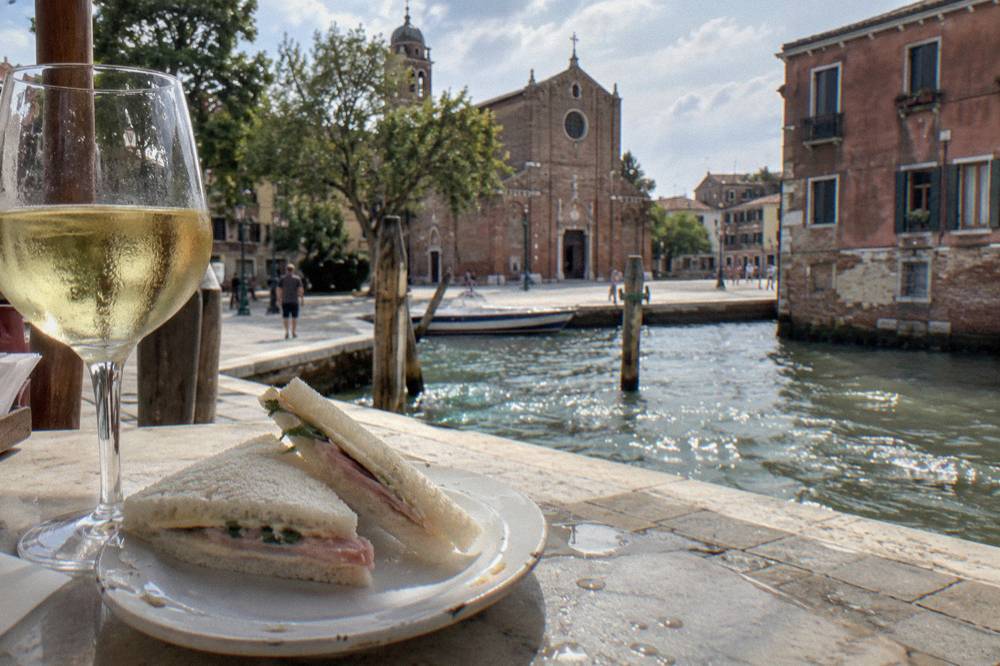
The dishes to look for are specific to this province rather than to Venice. Radicchio tardivo di Treviso, an IGP product, appears grilled, in risotto and folded into pasta. Fegato alla veneziana, the Venetian sweet-and-sour liver with onions, travels inland too, and sopressa, the regional salami, is on nearly every antipasto board. Fritelle and other fried sweets appear seasonally. A useful companion read is the guide to traditional Venetian dishes, which separates the city's lagoon cooking from this mainland tradition; the two kitchens are neighbours, not twins.
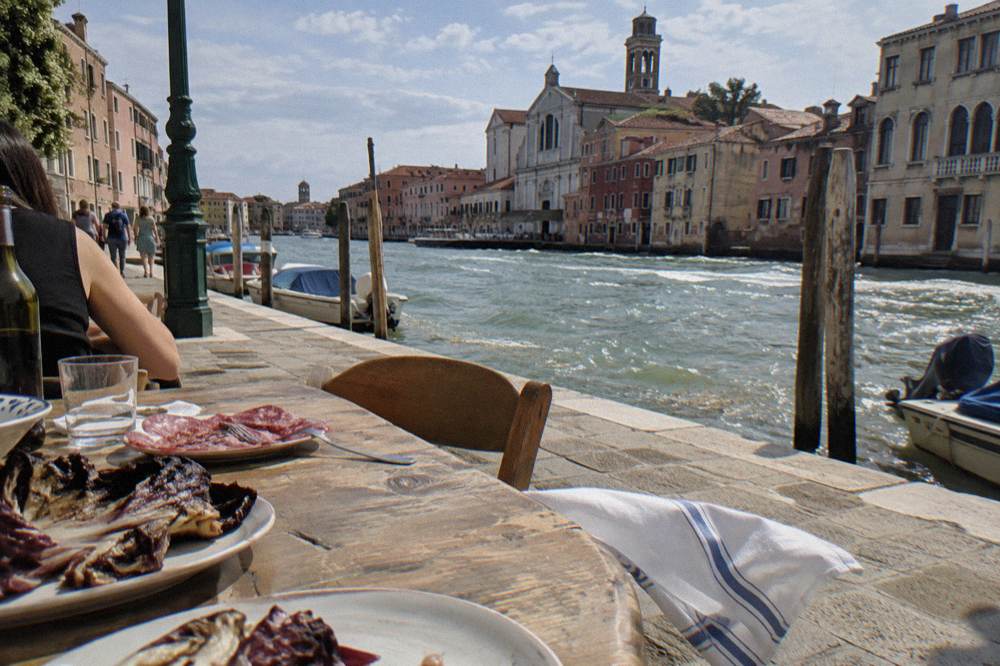
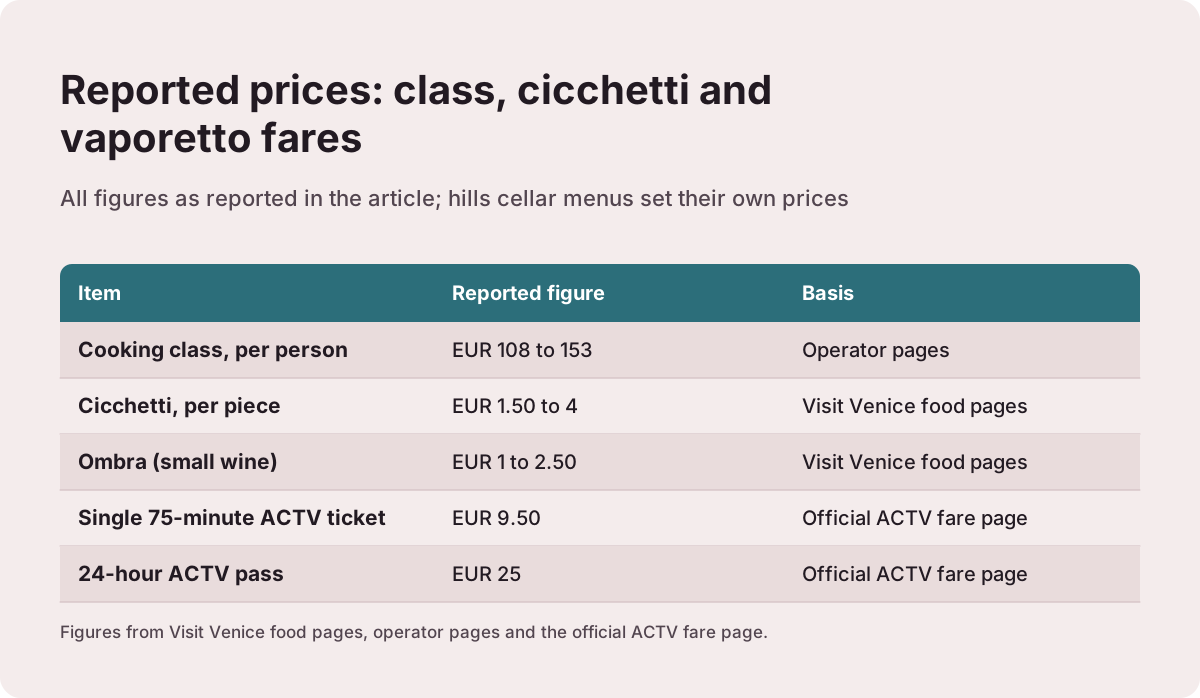
Reported local prices help set expectations. Standing cicchetti in Venice run around EUR 1.50 to 4 a piece and an ombra EUR 1 to 2.50, as reported on the official Visit Venice food pages, while a sit-down lunch in the hills with wine will sit well above that, in the range typical of a rural Veneto restaurant; cellar menus state their own prices, so check when booking. The Visit Venice cicchetti page is the source for the counter figures.
One comparison worth making before you commit a whole day: a shared pasta and tiramisu cooking class in Venice is listed from $57 to $154 per person on this site, with three hours the typical class length. Whether that spend feels fair depends on what the day includes., so the real choice is often between a day of drinking in wine country and a morning of cooking in a Venetian home. The Venice cooking class guide on which type fits you works through that trade-off.
“Fantastic night at Rosa’s home! This was an incredible way to spend a delicious evening with family or friends. Rosa was warm, funny, and friendly and knows her cooking! I was with my family who are between the ages of 14-72 and all had a great time. Will come visit again the next time we are in Venice!”
The Honest Limit: No Prosecco Hills Tour Here, And The Nearest Alternatives
No, there is no Prosecco hills day trip among the bookable food and wine experiences here, since every one of them is based in Venice and its lagoon. The nearest wine-first alternatives are the lagoon aperitif by boat and a seated prosecco and Italian wine tasting in the city, plus market-and-cooking days that include wine.
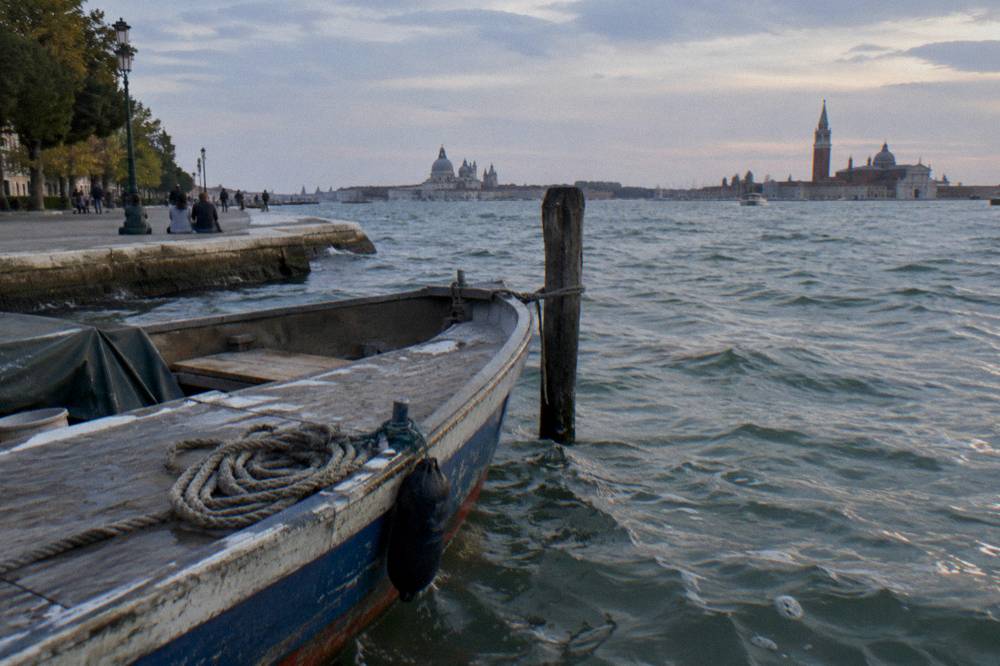
The lagoon aperitif runs about an hour and 20 minutes, pairing a drink with the Venice skyline from the water; duration comes from the listing, and current sailing details are on the booking page. It is the closest thing to scenery-plus-wine in the bookable set, trading vineyard slopes for lagoon light. The seated tasting, meanwhile, is the closest thing to the cellar part of a hills day: an hour with Veneto wines, indoors, with nothing to organise. You can read about the aperitif on its tour page, or check availability if the day-trip maths does not work for your dates.
For food-led days that do exist in the bookable set, the Rialto market lunch tour runs about four hours through the market and a meal, the street food walk about 2.5 hours, and the private sommelier-led street food walk about three hours. The market lunch option in particular covers the shopping half of what a hills day delivers: produce, producers and the connection between raw material and plate.
If You Swap Hills For Lagoon Islands Instead
Yes, the lagoon islands deliver on the food side: Burano brings bussola biscuits and risotto di gò, Mazzorbo the Venissa vineyard with its Dorona grapes, and Sant'Erasmo spring castraure artichokes, all reached on standing ACTV vaporetto lines, with line 12 serving Murano and Burano and line 9 shuttling Burano to Torcello. As with the hills, no food-led island tour exists in the bookable set, so build your own self-guided day on the official network.
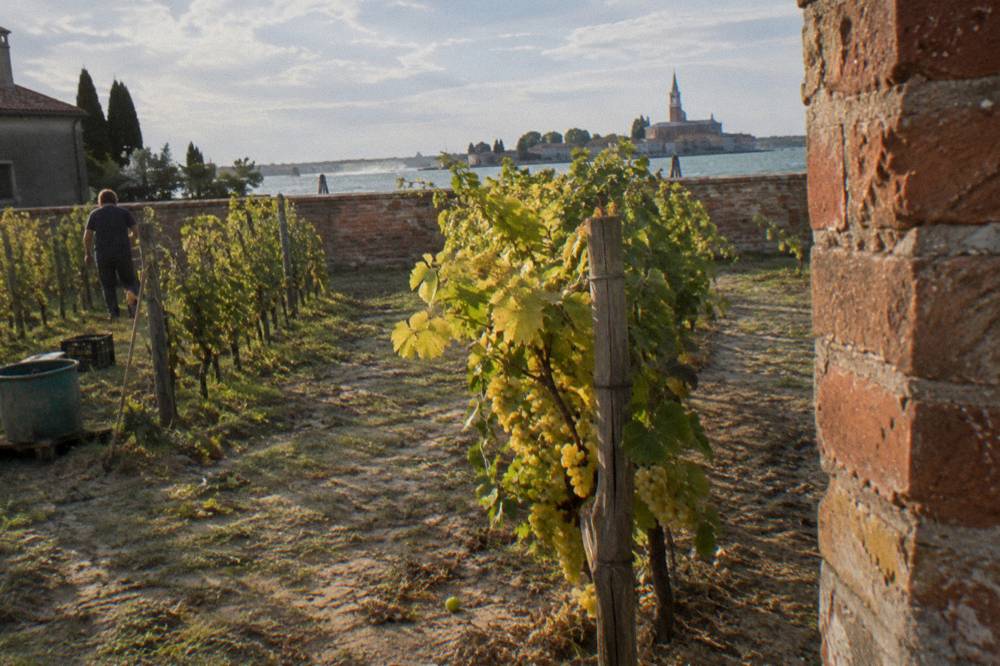
The lagoon food facts are genuinely distinctive. Bussola, ring or S-shaped butter biscuits, are Burano's traditional sweet, historically baked for fishermen and Easter. Risotto di gò, a risotto of lagoon goby, is the island's signature dish. Venissa on Mazzorbo is a walled vineyard growing the revived Dorona grape, reported at roughly 3,500 bottles a year from about one hectare, with a Michelin-starred restaurant on site, reported closed Tuesdays and Wednesdays; check current opening before going. Castraure, the first violet artichoke buds from Sant'Erasmo, the lagoon's vegetable island, appear briefly in spring.
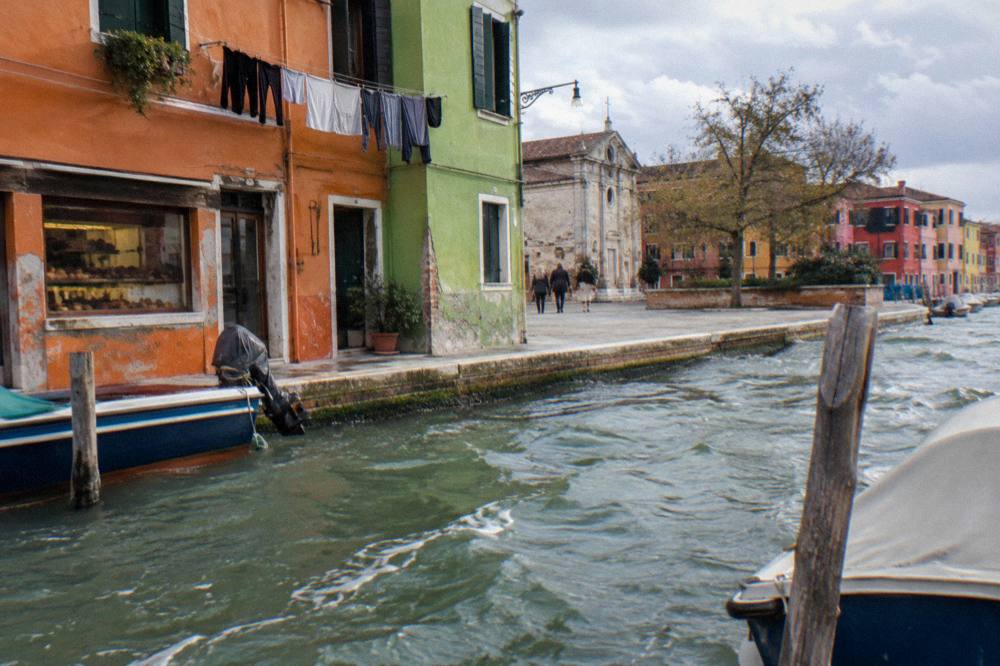
Transport is the easy part. A single 75-minute ACTV ticket is EUR 9.50 and a 24-hour pass EUR 25, as stated on the official ACTV fare page, with children under 6 free; current fares should be checked before travel since timetables shifted with the winter schedule in early November 2026. Note that Venice's 2026 access-fee trial never applied to the smaller lagoon islands and does not apply anywhere from 27 July 2026. The Burano and Murano day trip with food stops plans that day in full.
“My kids and I did this pasta making class. It was very fun and the instructor was friendly and patient. We had linguine with tomato sauce and two different ravioli (we just made the pasta; not the sauce or filling). Only wish we would have gotten written instructions on how to make it at home (she told us we would receive it but we never did).”
What The Day Costs: Guided Versus Independent, In Rough Terms
A guided Prosecco day from Venice is sold as one full-day price bundling transport, tastings and usually lunch, with the exact figure on the operator's listing. An independent day means paying separately for the train, a tasting fee at each cellar you book, lunch and any taxis between villages, so the totals are not directly comparable: one is fixed, the other depends on your choices.
| Cost piece, independent day | Reported or stated figure | Basis |
|---|---|---|
| Venice to Conegliano regional train | Fare on the Trenitalia site for your date | Book direct |
| Cellar tasting, per winery | Stated by each producer | Book direct; varies by flight |
| Lunch at a cellar or agriturismo | Menu prices stated by the venue | Reserve ahead |
| Taxi between villages | Local taxi rates, ask when booking | Only if leaving the rail line |
| Guided Prosecco day tour | Price on the operator's listing | Includes transport and tastings |
The comparison to hold in your head is with the city's food walks, whose prices and inclusions are set out in the guide to what a Venice food walk costs. A three-hour walk with tastings is a different product from an eight-hour hills day, and pricing them against each other only makes sense once you accept that the hills day is mostly transport and access.
When To Go And How To Book Smartly
Aim for May and June, when the vines are in full leaf and the tasting terraces are open, or September into early October around the harvest, when the zone is busiest and most alive. Guided days run on fixed calendars that thin outside high season, so reserve spring or autumn departures early, while the choice is widest, and dodge July and August heat and crowds.
Booking advice is straightforward. Reserve guided days early for May, June and September weekends, when hills transport and cellar tables are both scarce. For independent travel, book your winery appointments before you book your train, because a cellar that cannot take you changes the shape of the whole day. Check the operator's cancellation terms on the booking page for any paid experience; free-cancellation windows vary by product. And if any traveller in your party has dietary restrictions, confirm with the operator before booking rather than on the day, since rural kitchens need notice.
Finally, be realistic about energy. A hills day plus a late bacaro crawl in Venice is a big day. Many travellers do better pairing the hills with a quiet dinner, and saving the cicchetti crawl for a separate evening, planned with the evening food walk and aperitivo hour guide.
Common Questions About Prosecco Hills Day Trips From Venice
Can You Do A Prosecco Wine Tour From Venice In One Day?
Yes. The Conegliano Valdobbiadene zone is about an hour from Venice by car or regional train, and guided full-day tours from Venice or Mestre pair two winery visits with lunch. The independent version is also feasible as a day trip, anchored on Conegliano station.
Is The Prosecco Hills Trip Better With A Tour Or On Your Own?
A tour is better if you want access to small family cellars, which often only receive visitors by arrangement, and a scheduled lunch without logistics. Going independently suits flexible travellers and tighter budgets, but limits you to the rail-reachable ends of the zone and to cellars that accept individual bookings.
What Do You Eat In The Prosecco Hills?
The food is Treviso province cooking: radicchio tardivo in risotto or grilled, cured salami, local cheeses, bigoli pasta and griddled meats, served at cellar restaurants and agriturismo with the house wines. Meals are long and unhurried, and booking ahead is advised, especially on weekends.
Are There Prosecco Hills Tours Bookable Through This Site?
No. The bookable wine and food experiences here are Venice and lagoon based. The nearest alternatives are a seated prosecco and Italian wine tasting in the city, a lagoon aperitif by boat, and market-and-cooking days that include wine, with details on each live listing.
What Is Cartizze And Why Does It Cost More?
Cartizze is a small, very steep hill area near Valdobbiadene, regarded as the zone's top growing site. Its vines are hand-worked on slopes that machines cannot reach, yields are low, and the resulting prosecco, usually made in the demi-sec style, typically carries the highest prices in the zone.
When Is The Best Time Of Year To Visit The Prosecco Hills?
Late spring and early autumn: May and June for green vineyards and open terraces, September into early October for the harvest atmosphere. July and August are hot and crowded, and from November to March many cellar restaurants reduce their hours.