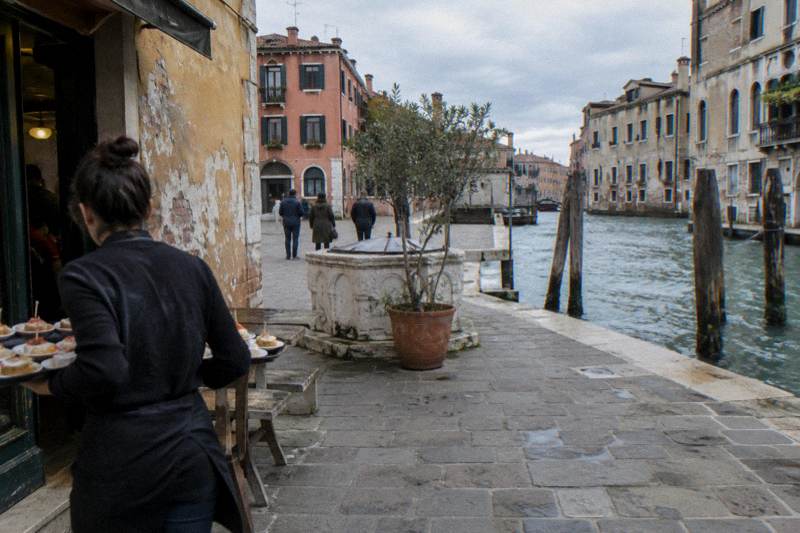
Best Restaurants In Venice For First-Timers
Venice punishes lazy restaurant choices and rewards the smallest amount of homework. This is the homework: how tourist menus work, what coperto means on the bill, how to read a menu like a local, and when a guided tasting walk does the job better than a reservation.
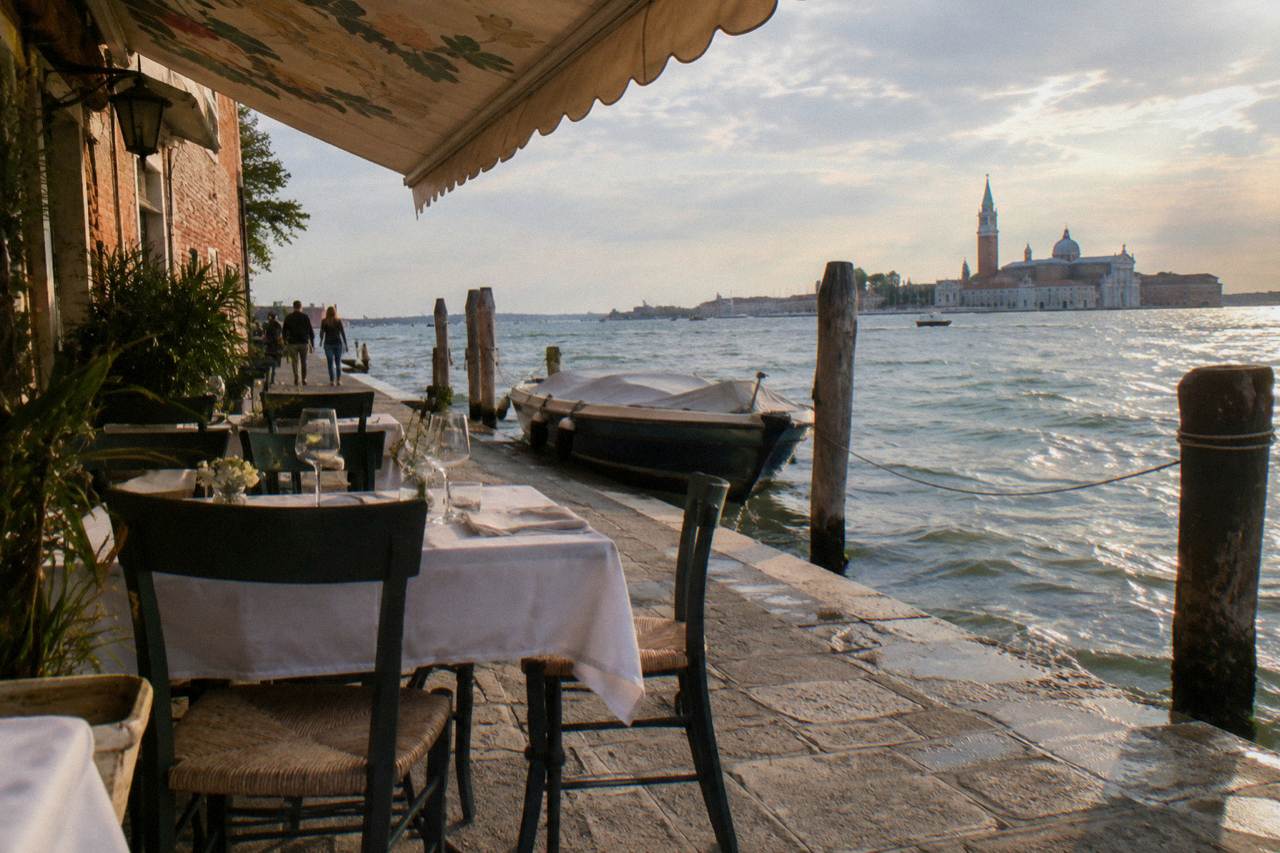
Short answer
Eat where menus are short, printed in Italian first, and built around lagoon fish and seasonal vegetables. Expect a coperto cover charge of about EUR 1 to 5 per person as reported, and know that tipping is optional. For a first visit, a guided tasting walk such as Eat Like a Local, from $101 per person, teaches the ordering culture in three hours.
Most first restaurant meals in Venice go wrong in the same predictable way: a table on a main square, a photographed menu in six languages, a cover charge nobody explained, and food cooked for people who will never come back. None of that is bad luck. It is a system, and it is readable from the street before you sit down.
This guide does not rank restaurants. Verdict lists age badly and depend on taste, and the rooms that deserve your first night change faster than any list can track. What follows is the method instead: how Venetian menus signal who they are cooking for, what the bill will actually contain, how dinner timing shapes your options, and when a guided tasting walk is the smarter first-night booking than any reservation. The site behind this article, Venice Food Tours, exists to help food-focused visitors make exactly these calls.
How Do You Spot A Tourist Menu In Venice?
A tourist menu announces itself in five ways: it is enormous, it is laminated, it is translated into many languages, it features photos of dishes, and it sells the same food in November as in June. Genuine Venetian kitchens do the opposite on every count, because the lagoon and the market set the menu, not a laminator.
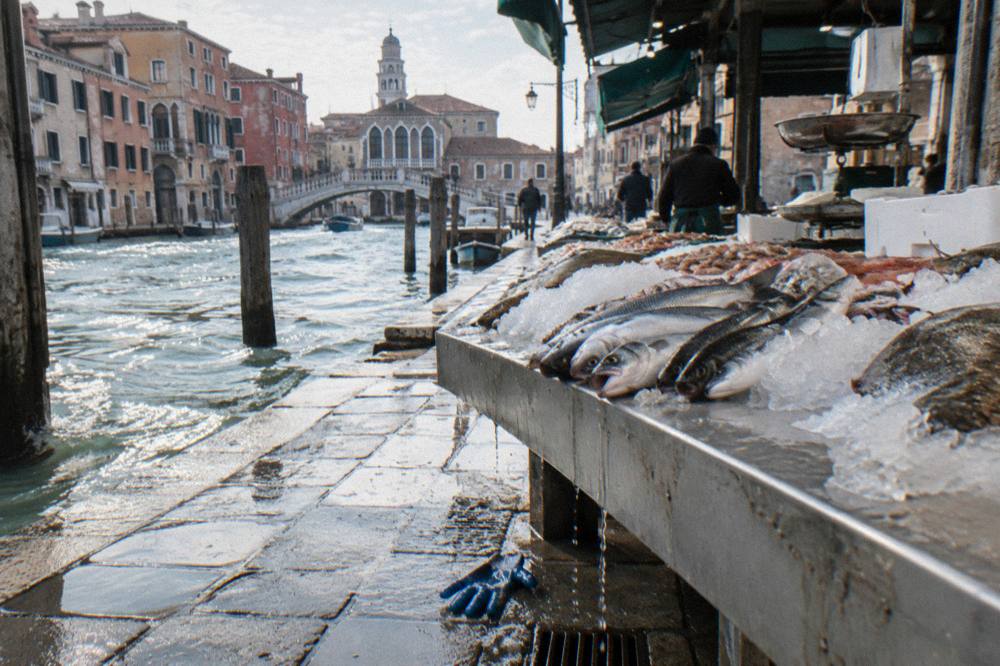
The single best tell is length. A kitchen serving fresh lagoon fish cannot offer eighty dishes; the catch changes daily and the Pescheria at Rialto sets the prices. A short list of starters built around baccalà mantecato, sarde in saor, and whatever the boats brought in that morning is the signature of a kitchen cooking for people who live here. Pizza and lasagne side by side with "grilled mixed fish for two" and chicken dishes is the signature of a kitchen cooking for foot traffic.
Photos are the second tell. Venetian restaurants that cook seriously rarely photograph their food for the menu; the menu changes too often to photograph. Pictures of spaghetti bolognese, a dish that is Roman and northern at best and not Venetian at all, mean the kitchen is optimising for recognition rather than season. The third tell is geography: the closer a restaurant sits to a major sight, with hawkers or display cases of dried pasta in the window, the more its business model depends on one-time customers.
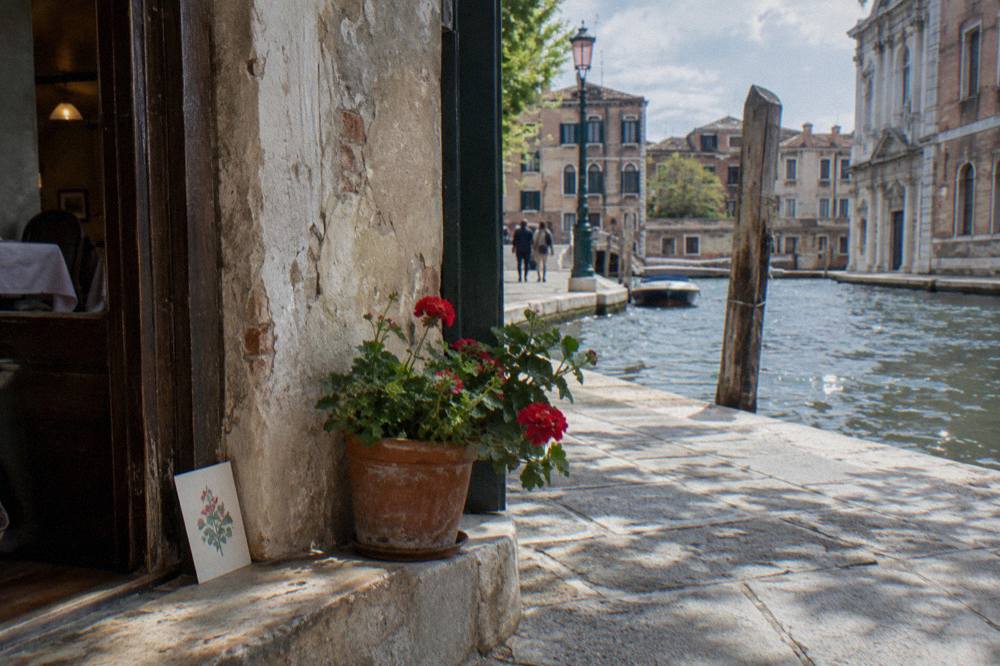
None of this guarantees anything, and kitchens change hands, chefs change direction, and a back-street room can coast on a reputation it no longer earns. But the odds move sharply in your favour when you walk five minutes off the main drag, look for a short printed menu with Italian first and English second, and accept that a dish you wanted may be finished. That last detail, an item crossed out because it sold out, is quietly the best sign on the whole menu. It tells you the kitchen buys in small quantities and cooks to the market, which is precisely the behaviour you want from a Venetian kitchen. For more on the dishes themselves, read traditional Venetian dishes explained.
| Signal | Usually a local kitchen | Usually a tourist kitchen |
|---|---|---|
| Menu length | Short, changes often | Long, fixed year-round |
| Languages | Italian first, one or two translations | Four or more, evenly sized |
| Photos | None | Photos of every dish |
| Seasonality | Crossed-out items, daily fish | Same dishes in every month |
| Location | Side streets, residential calli | Directly on major squares |
What Will Your Venice Restaurant Bill Actually Contain?
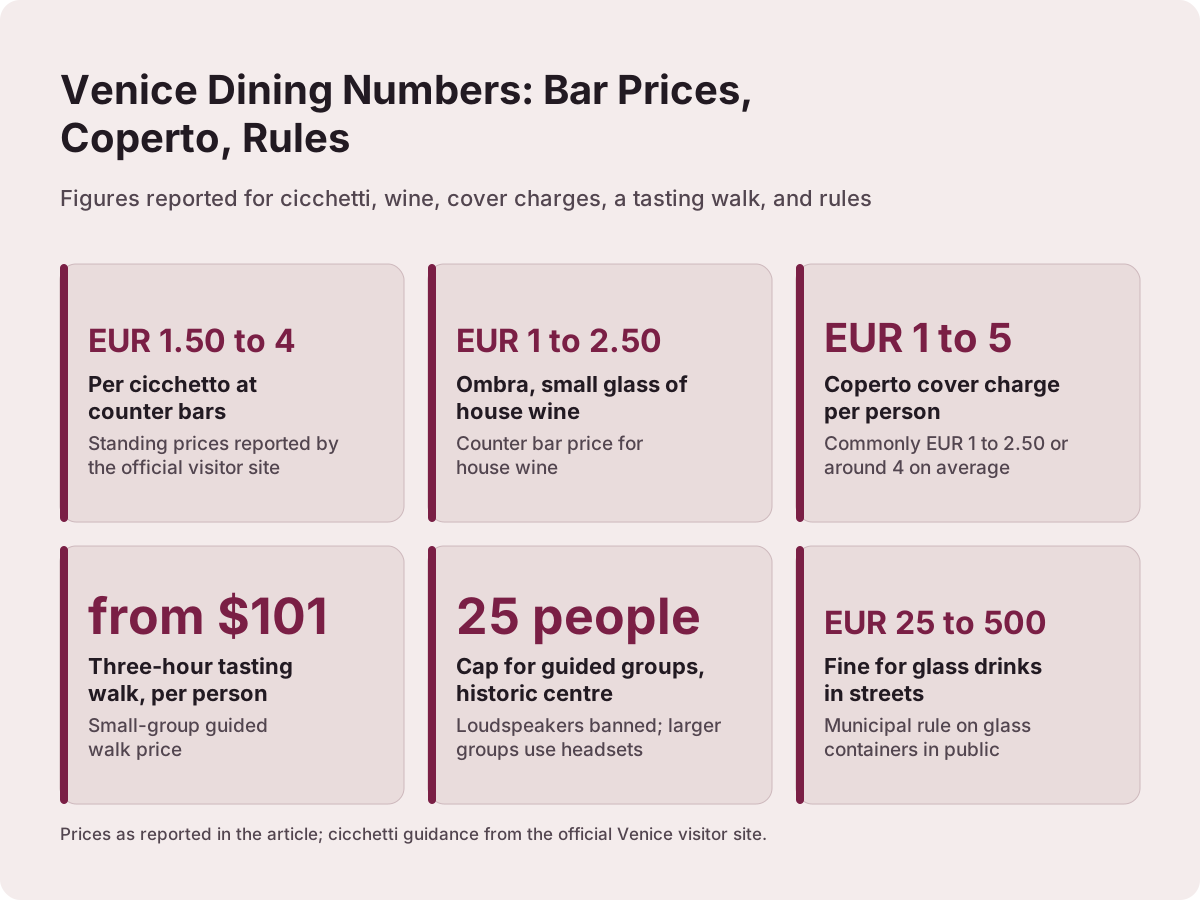
Expect three separate things on a Venetian bill: the prices on the menu, a coperto cover charge of about EUR 1 to 5 per person as reported, commonly EUR 1 to 2.50 or around 4 on average, and no obligation to tip. Service may be included in the coperto or listed separately; either way it must be disclosed on the menu before you order.
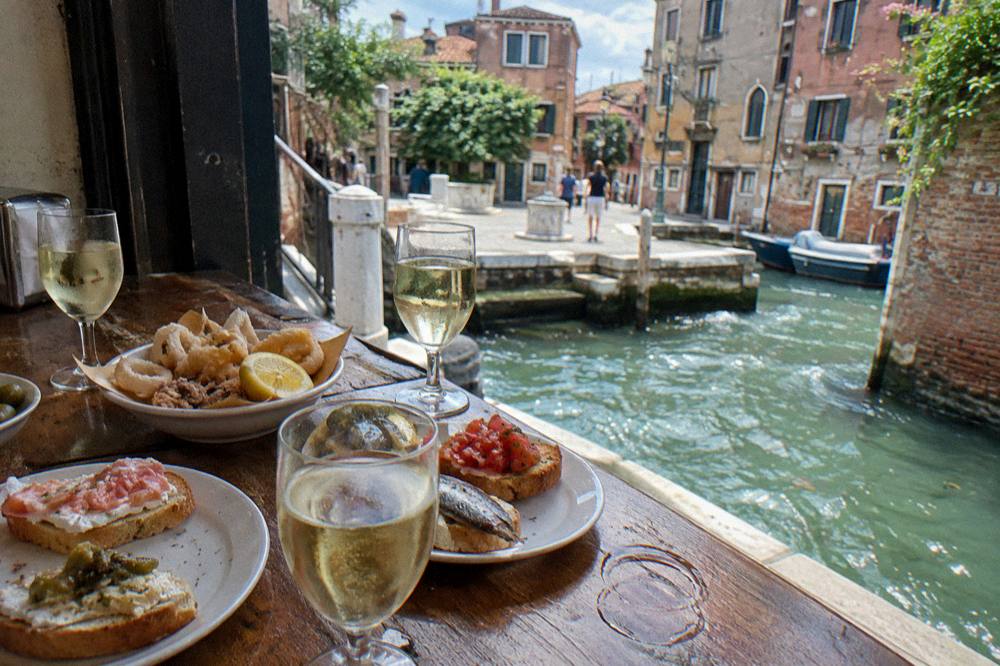
The coperto, bread and cover, is a legal and normal charge in Italy, not a scam, though some first-timers read it as one. What the law requires is disclosure: the charge belongs on the menu where you can see it before committing. Where it is not disclosed, you are entitled to question it, and doing so calmly is neither rude nor unusual. Tourist-oriented rooms near the big sights tend toward the top of the range; standing at a bacaro counter is how locals historically avoid cover charges entirely, because a cicchetto and an ombra eaten standing carry no table service to cover.
Tipping is genuinely optional. Rounding up the bill or leaving a small amount for exceptional service is appreciated, but nobody will chase you for a percentage, and virtually nothing is expected when you are standing at a counter for cicchetti. If a service charge line already appears on the bill, adding a tip on top is a choice, not an obligation. The full etiquette, including how service charges are labelled and what to do about bread you did not order, is covered in the dedicated guide to tipping, coperto and restaurant etiquette.
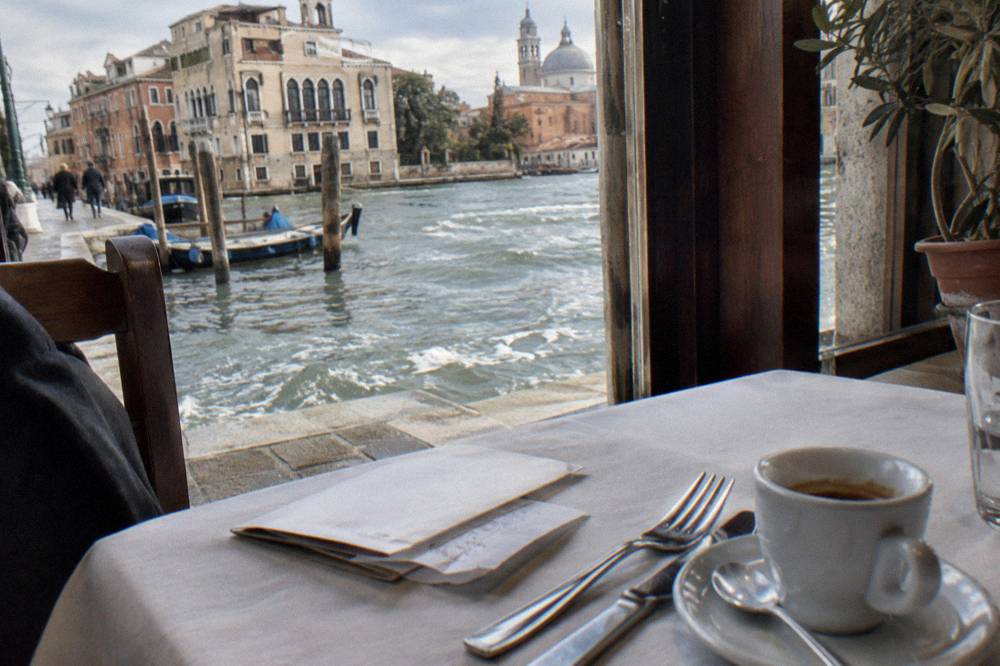
For context on the cheap end of eating out, the standing prices are reported by the official visitor site as roughly EUR 1.50 to 4 per cicchetto and EUR 1 to 2.50 for a small glass of house wine, an ombra, at counter bars: published cicchetti price guidance. A bacaro crawl at those rates costs less than most sit-down dinners, which is one reason Venetians do it several times a week rather than treating it as a novelty. There is no fixed city tariff; each bar posts its own list, and the posted prices are what apply, so a glance at the board before you order settles any doubt.
Should You Book Restaurants Ahead On A First Trip?
Yes for dinner, no for lunch, is the practical rule. Venetian kitchens are small, the city's evening demand comes from thousands of visitors with the same idea, and the good-value rooms fill first. Book dinner one to two days ahead, or the same morning, and treat lunch as the flexible meal where walk-ins and market-focused options work.
Dinner in Venice runs later than many visitors expect; locals sit down in the second half of the evening, and kitchens that welcome a 18:30 walk-in table are often the ones optimising for tourists who eat early and leave. Booking ahead does two things beyond securing a chair: it lets you check the menu and the coperto disclosure calmly, and it frees you from choosing under hunger, which is when the photographed menu on the big square wins. When you call or message to book, asking one question about whether the menu changes daily tells you a great deal about the kitchen before you arrive.
One structural point matters more than any single reservation. Venice is a city of small rooms and even smaller kitchens, so a restaurant that takes 40 covers cannot also be a destination venue; the physical space does not allow it. This is why many food-focused first-timers split their evenings: a booked restaurant dinner on some nights, and a standing crawl through bacari on others. The mechanics of the crawl format, how it works stop to stop and how many stops make a meal, are explained in how a bacaro crawl works.
A guided walk can also front-load the learning. On the first evening, before any dinner reservation, a three-hour small-group tasting walk like the Eat Like a Local tour, from $101 per person, walks you through the ordering culture with a local making the calls. Three hours of guided eating teaches you what a fair menu looks like, which pays off on every dinner after it. See also the full Eat Like a Local tour page for inclusions and the meeting point as stated on the listing.
Which Neighborhoods Reward A Dinner Walk?
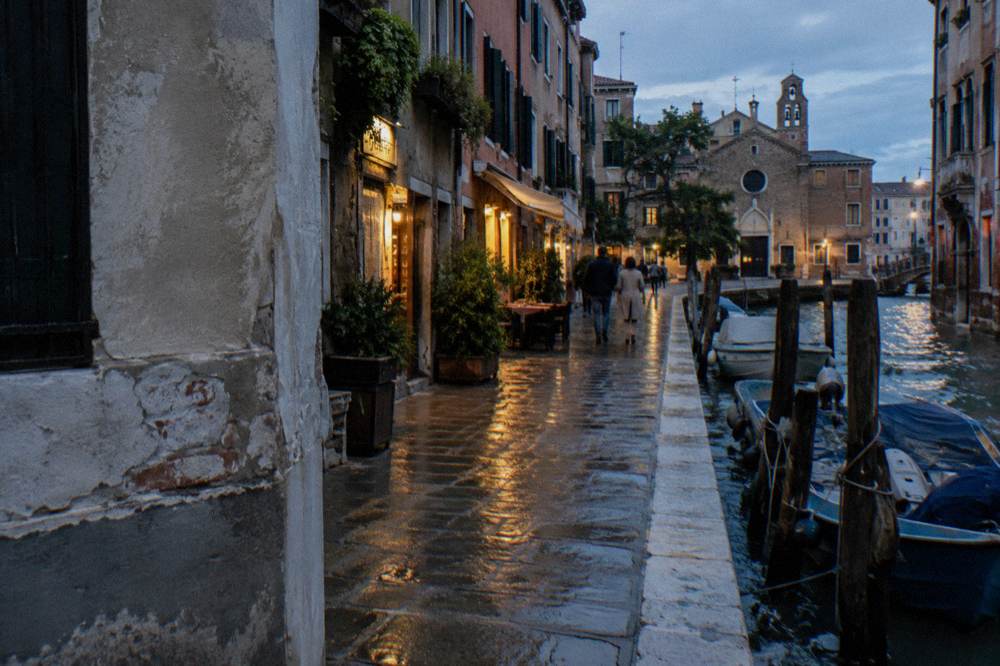
Cannaregio, Dorsoduro and San Polo reward dinner walks; the areas immediately around St Mark's Square punish them. Cannaregio's back streets hold the highest concentration of bacari and small trattorie away from day-tripper flows, Dorsoduro around Campo Santa Margherita stays local into the evening, and San Polo sits closest to the Rialto market's supply chain.
The pattern is simple: day-trippers concentrate around St Mark's and the Rialto bridge crossing during the day, then leave, and the areas that keep a resident population keep their kitchens honest. Cannaregio, the long northern sestiere, has the widest spread of standing bars and small dining rooms, and its food culture is the reason several guided walks route through it. Dorsoduro's student and resident population keeps prices and menus grounded around its large campos, and the walk from the Accademia toward Santa Margherita passes through exactly the kind of side streets where short menus live. San Polo, wrapping the market, is where the fish that did not sell in the morning tends to end up on plates at lunch, cooked by people who bought it at dawn.
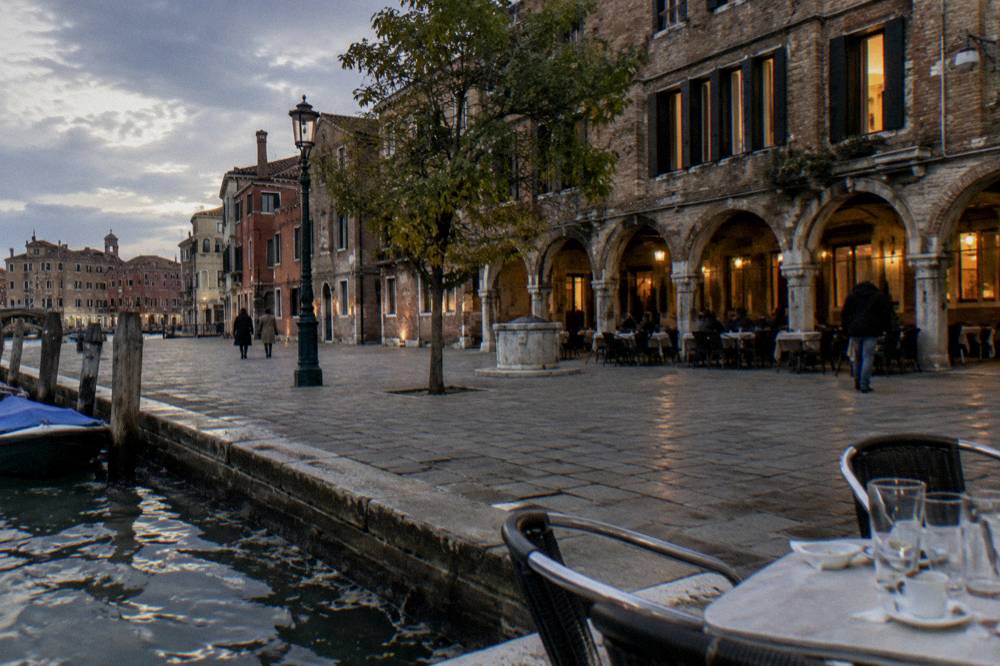
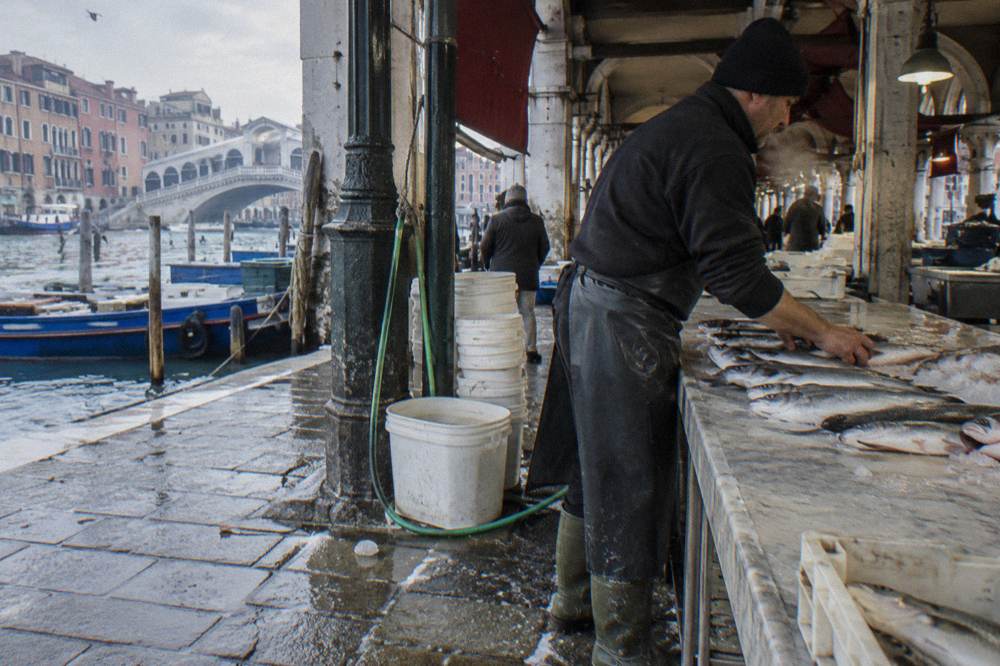
If the market itself is your interest, time matters as much as place. The produce market at Rialto runs Monday to Saturday, 7:00 to 20:00, closed Sunday; the fish market runs Tuesday to Saturday, 7:00 to 14:00, closed Sunday and Monday, per the official Venezia Unica listing: official market days and hours. Kitchens shopping there cook from that rhythm, which is a quieter reason Sunday and Monday dinner menus look thinner than the rest of the week. A guided option that connects the market to the plate is the Rialto Market food and wine lunchtime tour, a four-hour walk with tastings as described on its page.
What Should You Order On Your First Night?
Order what the lagoon and the season offer: baccalà mantecato on polenta, sarde in saor, a risotto or bigoli course, and whatever whole fish the kitchen recommends that day, followed by a simple local dessert. Skip anything that reads as pan-Italian, and let the waiter steer you toward the dishes the room is actually proud of.
Baccalà mantecato, whipped dried cod on polenta, is the city's benchmark dish: a kitchen that gets it right is paying attention, because it takes effort and cannot be faked. Sarde in saor, sweet-and-sour sardines with onion and raisins, tells you the kitchen respects the old preserving traditions of a maritime city. A risotto, in a city whose lagoon island of Burano built its identity on risotto di gò, or a plate of bigoli in salsa shows the pasta course is Venetian rather than borrowed. When the menu lists a catch of the day by weight, ask the price per portion before agreeing, which is normal practice and expected of you.
| Course | What To Look For | What It Tells You |
|---|---|---|
| Starters | Baccalà mantecato, sarde in saor, seasonal vegetables | The kitchen cooks the lagoon tradition, not a generic Italian list |
| Pasta | Bigoli in salsa, risotto, squid-ink dishes | Fresh pasta and rice made in house, marked by asking |
| Fish | Catch of the day, priced by portion on request | Bought at the Pescheria, changing with the market days |
| Dessert | Simple local sweets, house-made where stated | The kitchen finishes the meal rather than buying it in |
Ask one question and the meal improves: what would you order tonight. Venetian waiters in rooms that cook seriously tend to answer specifically, naming a dish and a reason. A vague answer, or a push toward the most expensive mixed grill, is information too.
When Is A Guided Tasting Walk Better Than A Restaurant?
A guided walk is better when you want to learn the food culture rather than just eat one meal in it, when you want multiple kitchens in one evening without researching each, or when nobody in your party reads menus in Italian. A restaurant is better for a slow, romantic, single-kitchen dinner. The two are complements, not substitutes.
The economics also work at the edges. A guided evening walk bundles multiple stops, tastings and drinks into one price, so you compare kitchens and price points without the risk of committing a whole evening to one unknown room. The Venice Evening Food Tour, for example, runs two and a half hours with bites, drinks and a sit-down dinner, per its listing, which is a full evening's eating handled by someone who knows the rooms. Check availability if that format fits your first night.
“My husband and I had so much fun with this experience! We had a great group of fellow Americans and Chef Filippo took great care of us. He is so knowledgeable, with lots of good local tips, and he made us laugh as well! We learned so much about Venice and cooking - truly a memorable time - and we had a delicious meal to enjoy when we were finished. I highly recommend this tour to anyone visiting Venice! Grazie!”
Dietary needs are the one place to be direct with any operator, guided or not. Where a listing does not state vegetarian, vegan, gluten-free or kosher options, that is an absence of information, not a refusal; message the operator before booking and get the answer in writing. The same applies to allergies with lagoon-heavy menus, since fish stock reaches surprising corners of the cuisine, including sauces and risotto bases that carry no fish on the plate.
What Do The Rules Say About Groups, Tables And Streets?
Guided groups in Venice's historic centre and lagoon islands are capped at 25 people and loudspeakers are banned, so larger guided experiences use headsets. Outside dining rooms, a municipal rule prohibits drinking from glass containers in public streets and bans takeaway sales of alcohol in glass, with reported fines of EUR 25 to 500; check current rules before you plan street drinks.
The group cap matters to restaurant planning indirectly: it is one reason quality food walks run small, and why a small-group format is worth its premium when the alternative is a megaphone crowd, which no longer legally exists. Inside dining rooms, the cap has no effect on you at all, but the street rules do. That spritz or glass of wine you bought to carry to a canal edge is, as reported under the municipal regulation, not permitted outside permitted seating areas in glass; whether any container solves it depends on current enforcement, and the rule is worth checking before you plan an evening around it: Comune di Venezia visitor information.
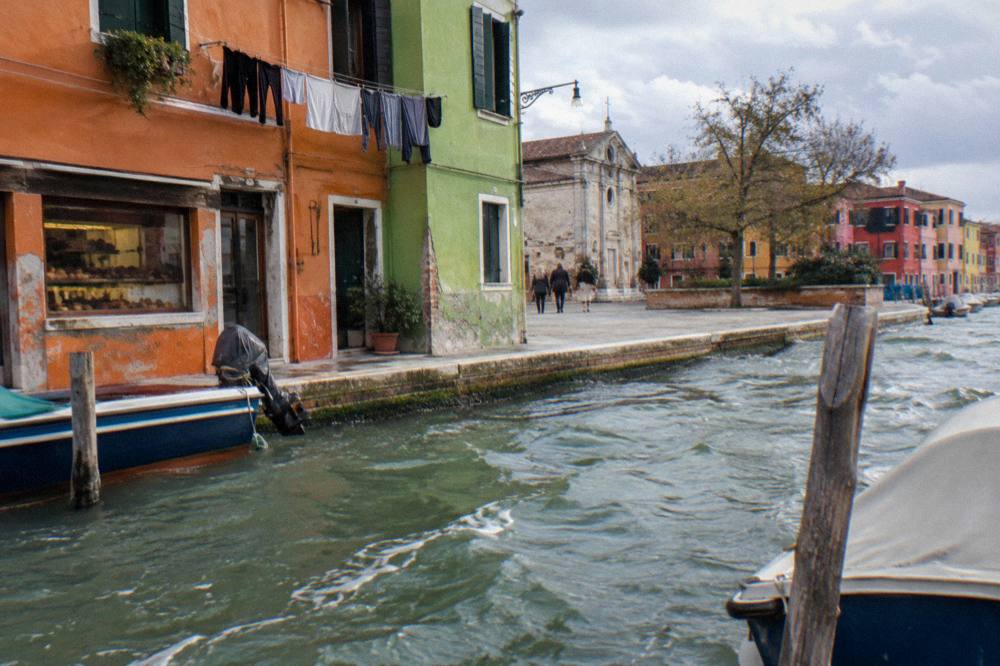
One rule that does not apply, for now, is the day-visitor access fee. The 2026 trial, EUR 5 or EUR 10 on 60 dates, ended on 27 July 2026, and per the official page you can visit without payment or exemption; the fee returns in 2027 with dates listed but amounts unannounced. Verify on the official access-fee portal before any 2027 spring trip, since the arrangements are to be announced by 31 December 2026 and nothing about the amounts is settled.
How Should You Plan Three Food Days As A First-Timer?
Anchor each day differently: one market or daytime tasting walk, one evening bacaro crawl you navigate yourself, and one booked restaurant dinner in Cannaregio, Dorsoduro or San Polo. Add a guided walk on day one so the learning arrives before the solo decisions, and keep lunches light and standing where possible.
Day one should be the guided day, because a walk with a local guide recalibrates everything after it: what a fair menu looks like, what an ombra costs, how to order cicchetti by pointing without apology. The skills are small but they compound; knowing how to read a posted price list and order at a counter makes every later evening cheaper and better. Day two is the self-guided crawl, using the etiquette you learned. Day three is the booked dinner, chosen with the tourist-menu checklist above. Anyone wanting the neighborhood-level detail can go deeper in the guide to food by neighborhood: Cannaregio, Dorsoduro and San Polo.
| Day | Morning | Evening | Why It Works |
|---|---|---|---|
| Day one | Guided small-group tasting walk | Light, no booking | Learning happens before solo choices |
| Day two | Rialto market browse, Tuesday to Saturday | Self-guided bacaro crawl | Applies the day-one knowledge cheaply |
| Day three | Pastries, standing coffee | Booked dinner off the main squares | One sit-down splurge with informed eyes |
For travelers whose interests stretch past the historic centre's standard routes, the Cannaregio-focused options include a four-hour Jewish Ghetto and Cannaregio walk with wine, per its listing details on the ghetto and Cannaregio tour page; it pairs a neighborhood history with the same standing-food culture, and the timing fits an afternoon before a later dinner elsewhere.
Common Questions About First-Time Dining In Venice
How Do You Spot A Tourist Menu In Venice?
Look for long laminated menus in four or more languages, photos of dishes, and identical food in every season. Local kitchens run short menus that change with the Rialto market, Italian first, with items crossed out when they sell out.
What Will Your Venice Restaurant Bill Actually Contain?
The menu prices, plus a coperto cover charge of about EUR 1 to 5 per person as reported, commonly EUR 1 to 2.50. Tipping is optional. The coperto must be disclosed on the menu; question it if it was not.
Should You Book Restaurants Ahead On A First Trip?
Book dinner one to two days ahead, because good-value rooms are small and fill first. Lunch is the flexible meal; standing bacari need no booking at all.
What Should You Order On Your First Night?
Order the lagoon tradition: baccalà mantecato, sarde in saor, a Venetian pasta or risotto course, and the catch of the day with the price confirmed by portion first. Ask the waiter what they would order.
When Is A Guided Tasting Walk Better Than A Restaurant?
When you want to learn the food culture rather than eat one meal in it, when you want multiple kitchens in one evening, or when nobody reads Italian menus. The two formats complement each other across a stay.
Do You Need To Pay The Venice Access Fee Before Dinner?
No. The 2026 access-fee trial ended on 27 July 2026 and no fee applies now; 2027 dates are listed but amounts are unannounced. Check the official portal before any 2027 visit.