How Many Days In Venice: A Food-First Itinerary
Most people plan Venice around sights and squeeze food in between. Reverse that: plan the days around the market clock, the bacari crawl and one guided tasting walk, and the itinerary writes itself.
Short answer
Two days covers the Rialto market, one bacaro crawl and a cicchetti walk. Three days, the classic food-first plan, adds Cannaregio or Dorsoduro plus an evening aperitivo hour. Four days lets you add a cooking class or the lagoon islands. A single 75-minute vaporetto ticket costs a reported EUR 9.50.
How Many Days Do You Need In Venice For Food?
Two days is the honest minimum for a food-first visit: one morning market plus one bacaro crawl, with an evening spritz in between. Three days is the sweet spot, adding a second neighborhood and a guided tasting walk. Four days buys you a cooking class or the lagoon islands without rushing anything. Beyond four, the law of diminishing returns sets in unless you are deliberately slow-travelling, since the historic centre is compact and the food rhythm repeats daily around fixed market hours.
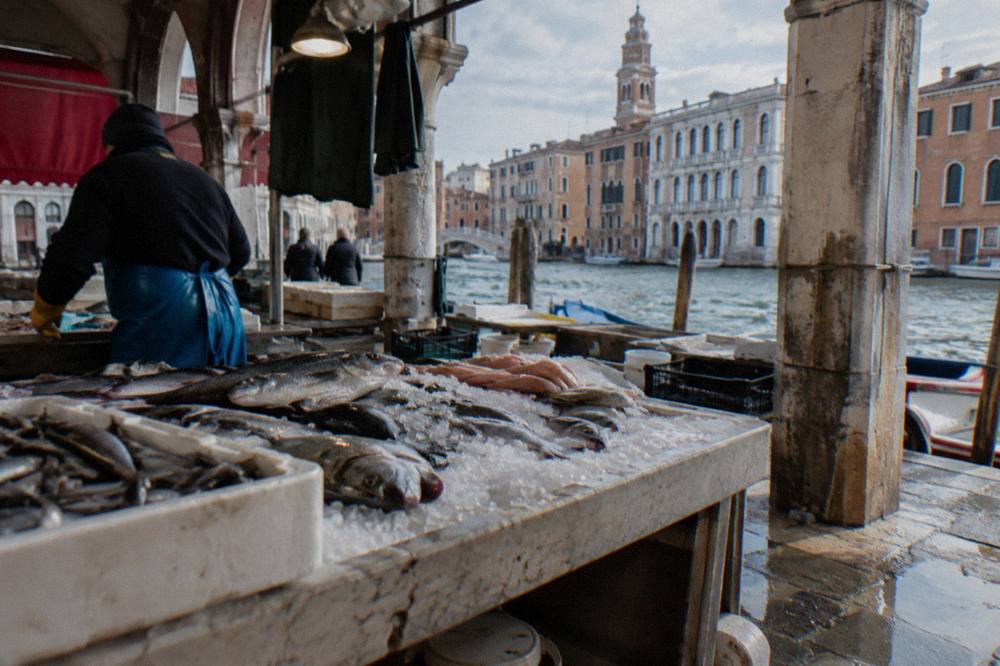
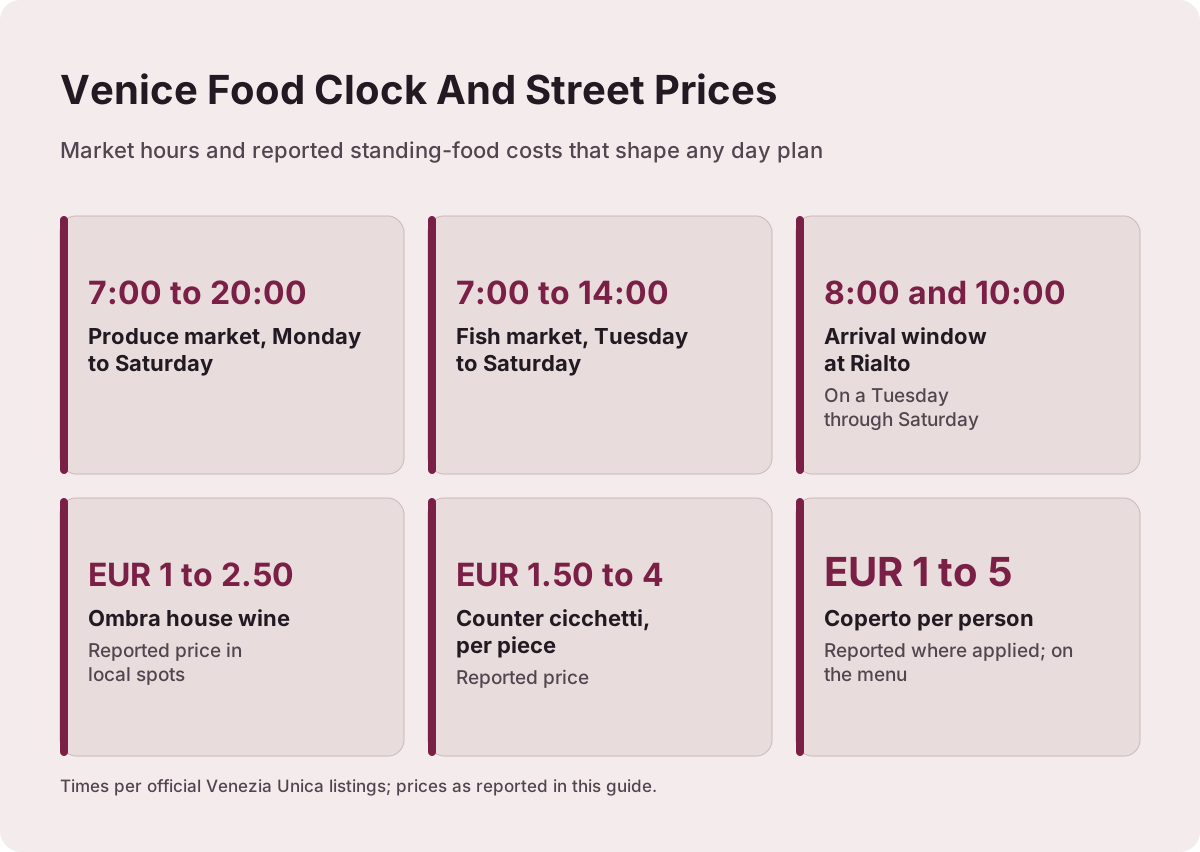
The reason day count matters more here than in most cities is that Venetian food runs on a strict clock. The Rialto produce market operates Monday to Saturday from 7:00 to 20:00 and closes Sunday, while the fish market runs Tuesday to Saturday from 7:00 to 14:00 and closes Sunday and Monday, per the official Venezia Unica listings. Miss the morning window and the Pescheria is just an empty loggia by mid-afternoon; tour listings themselves warn that the fish market is closed Sundays, Mondays and Italian holidays. A food-first itinerary is really an exercise in aligning your days with that schedule.
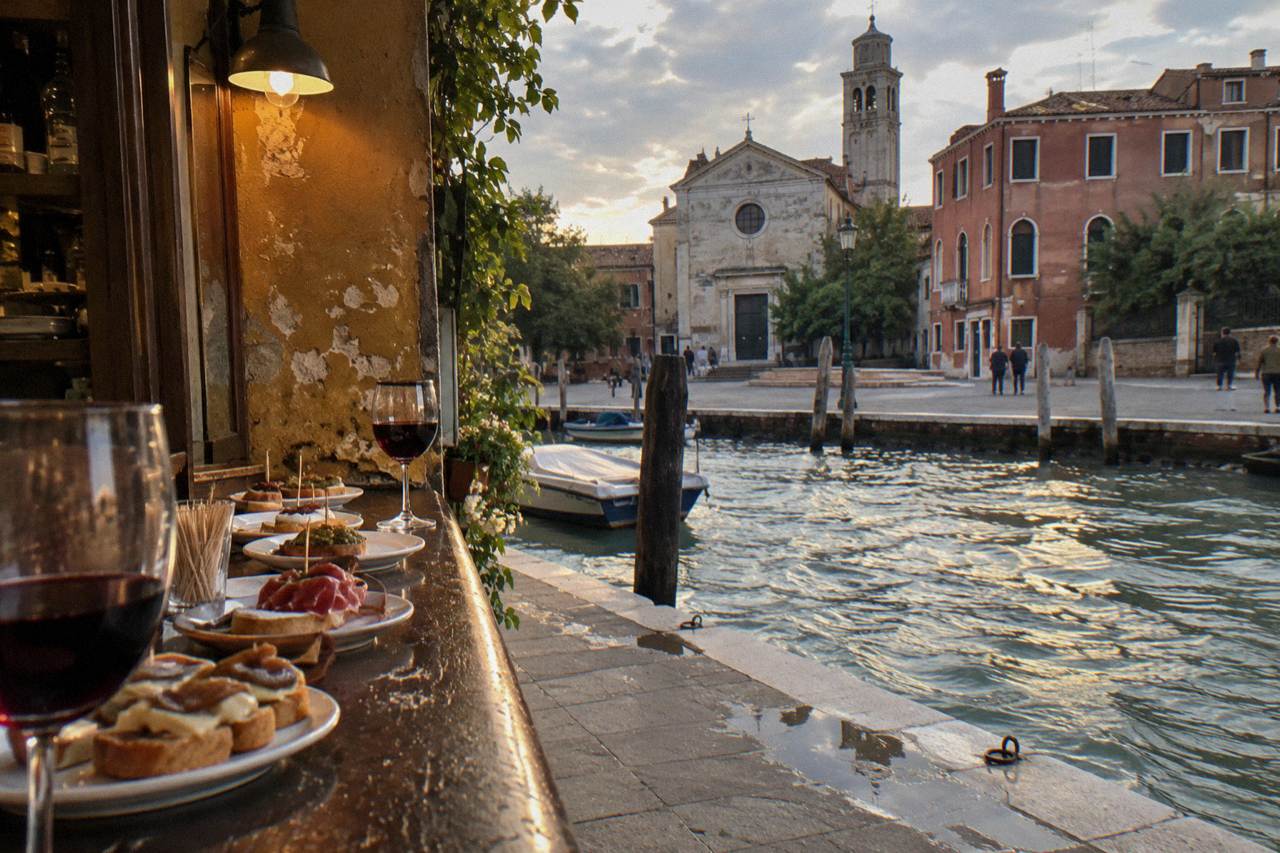
Most first-time plans fail in the same way: people book a gondola, two museums and a restaurant dinner per day, then discover they never once stood at a bacaro counter with a glass of ombra, the small house wine that runs a reported EUR 1 to 2.50 in local spots. Counter cicchetti cost a reported EUR 1.50 to 4 a piece, so a self-guided crawl is cheap, but knowing which sestiere to crawl in, and when, is what the extra days are for.
Here is how the day counts compare at a glance, before the detailed plans follow.
| Days | What it covers | What you give up | Best for |
|---|---|---|---|
| 2 | Rialto market morning, one bacaro crawl, evening spritz | Second neighborhood, cooking class, islands | Short breaks, weekend trips |
| 3 | Everything above plus Cannaregio or Dorsoduro and a guided tasting walk | Lagoon islands, a class | Most first-time visitors |
| 4 | Everything above plus a cooking class or Burano and Mazzorbo | Nothing major | Food-motivated travellers |
| 5+ | Deep slow travel, seasonal dishes, repeat favorites | Money and time | Return visitors |
If you want to understand the mechanics of a crawl before planning one around it, the guide on how a bacaro crawl works breaks down stop structure and pacing.
The Two Day Food-First Plan
Two days works if you accept one rule: morning is for the market, evening is for bacari, and you never swap the order. Day one pairs the Rialto market with a cicchetti crawl through San Polo; day two moves to Cannaregio or Dorsoduro for a second crawl and a proper sit-down dinner. Book nothing before 10:00 on either day. The compressed plan still delivers the full Venetian food arc, because the essential experiences, standing counters, market browsing and the aperitivo hour, are all either free or cost a few euros reported at the counter.
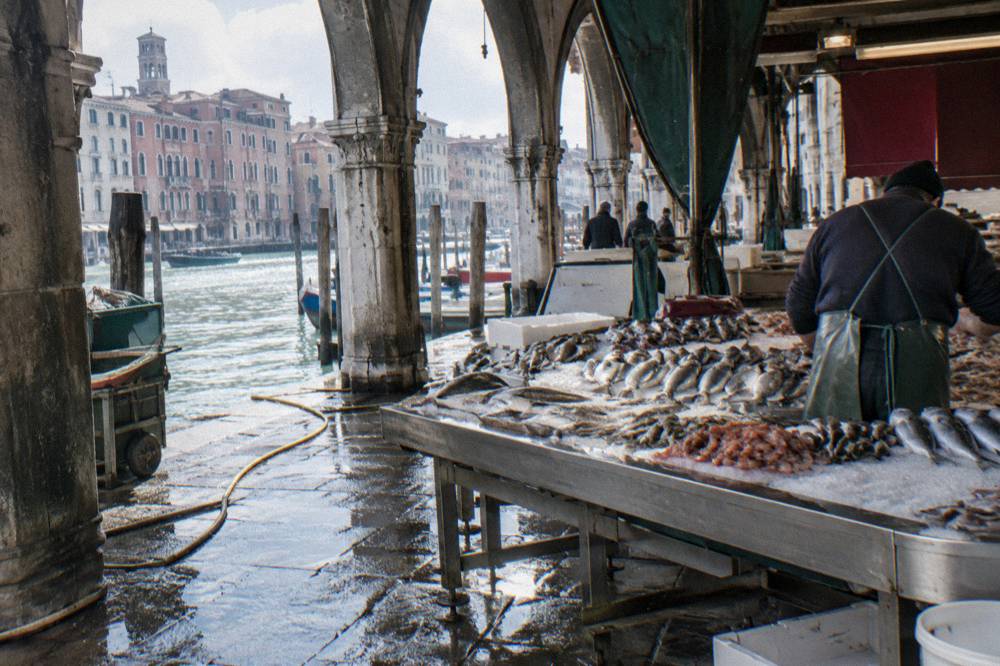
Day one should start at Rialto. The produce stalls open at 7:00, and the fish market's loggia is at its best before the 14:00 close; arrive between 8:00 and 10:00 on a Tuesday through Saturday and you see both in full swing. Browse rather than buy if you have no kitchen, then take your coffee standing at a bar the way locals do. The afternoon is for walking off the morning: the walk from Rialto across to Campo San Polo takes minutes. Come evening, crawl the bacari around the market's edges, where cicchetti at a reported EUR 1.50 to 4 a piece and an ombra at EUR 1 to 2.50 make a full evening cost less than one restaurant main in most of the city.
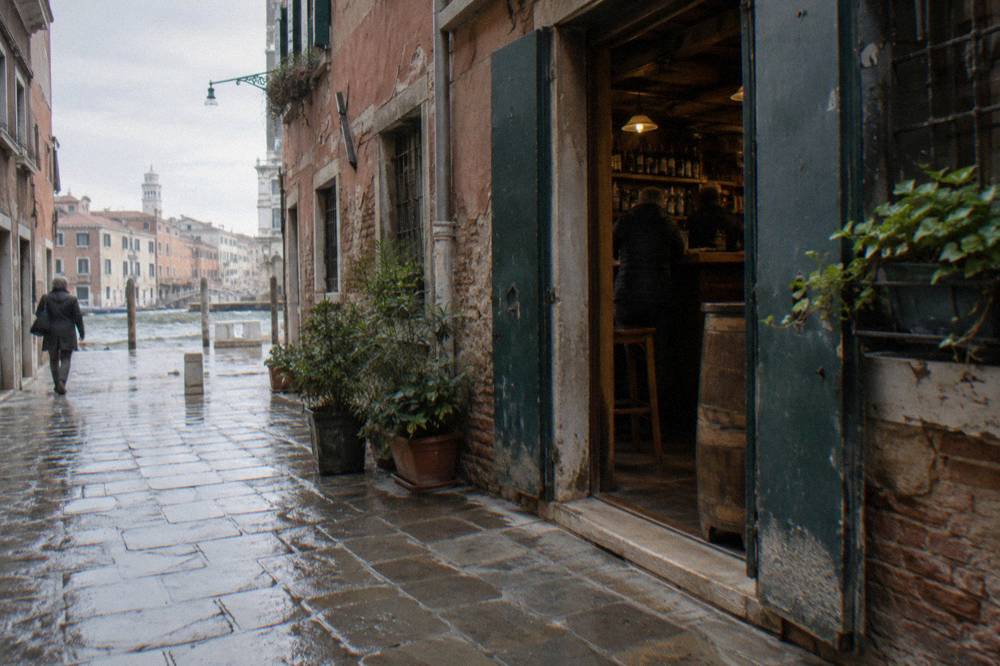
Day two is the neighborhood day. Cannaregio gives you the Jewish Ghetto, the Strada Nova's side alleys and a dense strip of standing bars; Dorsoduro gives you quieter squares and the evening passeggiata near the Zattere. Pick one, not both. Finish with a sit-down dinner, and expect a coperto, the bread and cover charge, of a reported EUR 1 to 5 per person where it is applied; it is disclosed on the menu, and eating standing at a counter generally avoids it, as reported in current sources on Venetian tipping and cover practice.
| Slot | Day 1 | Day 2 |
|---|---|---|
| 7:00 to 10:00 | Rialto produce and fish market | Breakfast at a standing bar |
| 10:00 to 13:00 | San Polo walk, tramezzino stop | Cannaregio or Dorsoduro on foot |
| 13:00 to 15:00 | Light lunch of cicchetti | Market-adjacent lunch |
| 15:00 to 18:00 | Sights or rest | Ghetto or Zattere stretch |
| 18:00 onward | Bacaro crawl near Rialto | Sit-down dinner, spritz |
If two days is all you have, a guided walk earns its slot on day one evening: it turns what would be a guessing game into a counted set of stops and tastings, and it leaves day two free for your own crawl with a calibrated sense of what a good bacaro looks like.
The Three Day Plan: The Classic Itinerary
Three days is the plan most food-motivated visitors should book, because it fits the market, two different sestieri, one guided tasting walk and an unhurried evening dinner into a single rhythm. Day three is deliberately the slowest day: a late start, a neighborhood you have not touched yet, and the longest meal of the trip. This is also the day count at which booking one guided experience stops feeling like an extra and starts doing real organizational work, since a guided walk covers an entire district's food in one block.
The structure of the classic three-day plan is simple: keep days one and two as in the two-day plan above, then let day three absorb whatever the first two days could not. That usually means Cannaregio if day two went to Dorsoduro, or the reverse. If your stay includes a Sunday or Monday, put that day here, accept the fish market is closed, and spend the time on the neighborhood crawl instead; the produce market is closed Sunday too, so plan any market morning for Tuesday through Saturday.
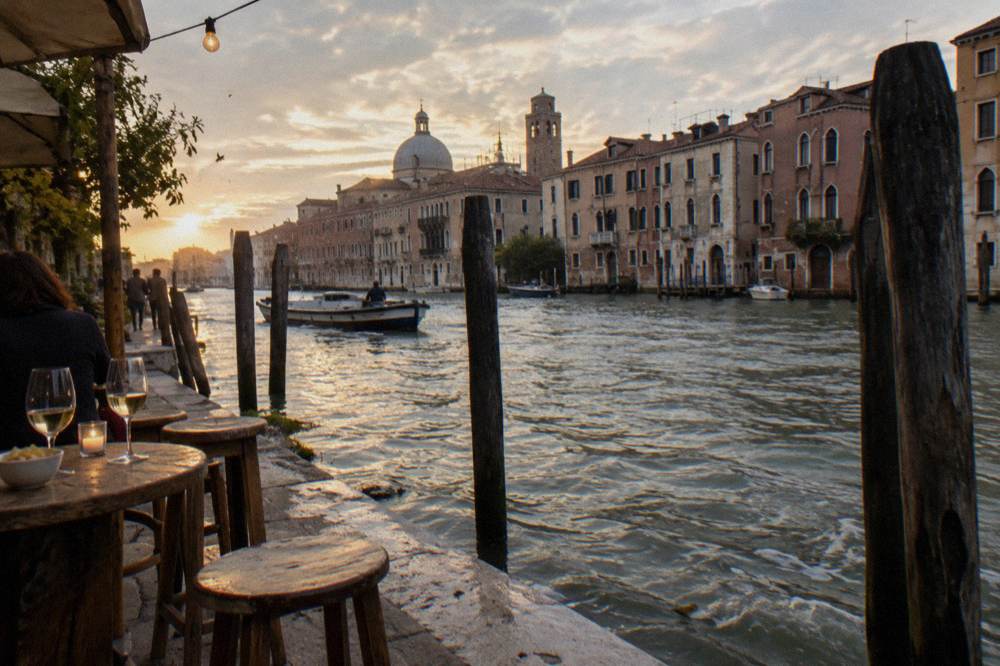
Day three is also the natural home for the guided walk. The featured tasting walk on this site, Eat Like a Local: Venice 3-Hour Small-Group Food Tasting Tour, runs three hours in a small group and covers the standing-bar classics with a local guide; its meeting point and full inclusion list are on the operator's booking page, and its price varies by date, so check the live listing rather than relying on a printed figure. Placing it mid-trip, rather than on day one, means you arrive with your own impressions and can ask the guide sharper questions.
| Day | Morning | Afternoon | Evening |
|---|---|---|---|
| 1 | Rialto market, both loggias | San Polo on foot | Bacaro crawl near Rialto |
| 2 | Cannaregio or Dorsoduro walk | Ghetto or Zattere, gelato stop | Sit-down dinner, spritz |
| 3 | Late start, second neighborhood | Guided three-hour tasting walk | Long dinner or sunset cicchetti |
One planning note that surprises people: there is currently no access fee to pay. The 2026 day-visitor access-fee trial, which ran 60 dates from April to 26 July 2026 at EUR 5 or 10, ended, and per the official page as of 27 July 2026 no fee applies and no payment or exemption is needed. It returns in 2027 with listed dates from late March through mid-August, but amounts and arrangements have not been announced, so check the official access-fee portal before a spring 2027 trip.
Day Four And Beyond: Markets, Classes And Islands
A fourth day should go to exactly one of three things: a cooking class, the lagoon islands, or a deep single-topic food experience such as a sweets walk or a market lunchtime tour. Trying to combine two of these into one day is the classic fourth-day mistake, because each eats half a day minimum and the travel time to Burano alone shrinks a morning. Beyond four days, plan repeat visits to favorites found earlier in the trip rather than new blocks every day.
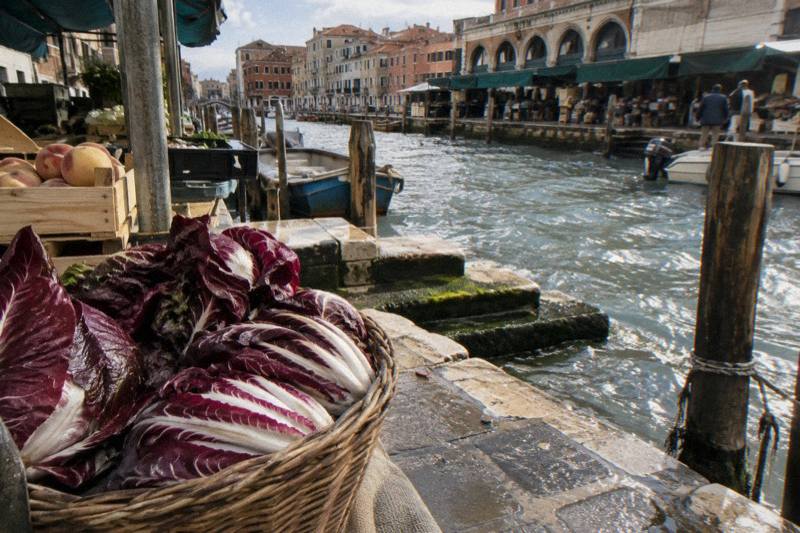
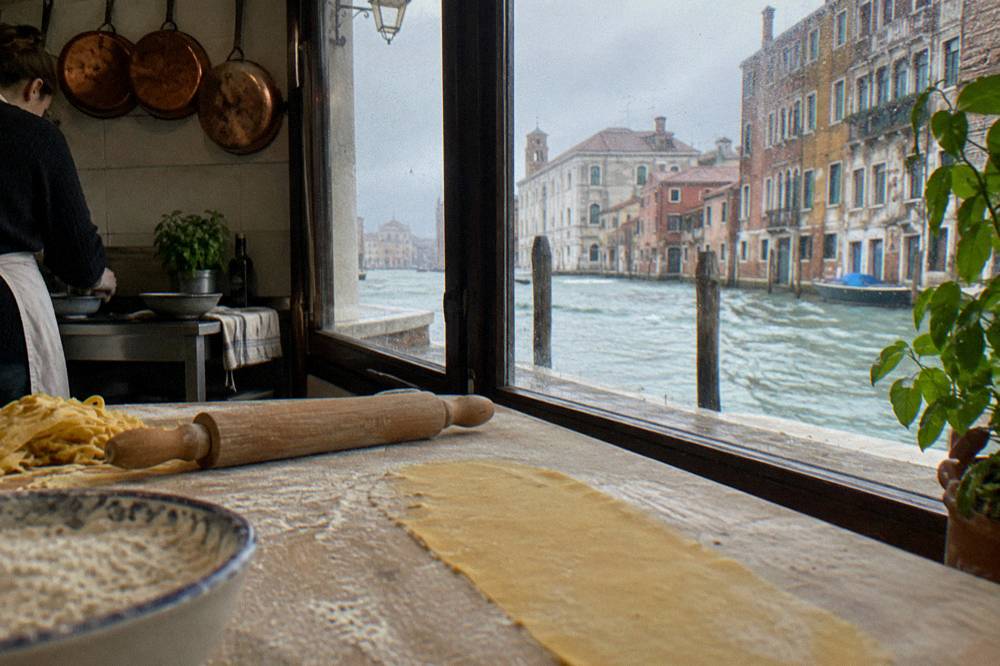
The cooking class option pairs naturally with a market morning. Several classes on this site, including a market tour and cooking class with a local Venetian chef, run about four hours and move from Rialto shopping to a prepared meal; shared pasta and tiramisu classes commonly run three hours with group caps around 12 guests, as operator listings report. The market tour and cooking class with a Venetian sailor covers similar ground in three hours. Inclusion details and per-person pricing are on each booking page, since these vary by date and group size.
The islands option is a different kind of food day. Burano is the home of bussolà, the butter-rich ring biscuits historically baked for fishermen, and of risotto di gò, the lagoon goby risotto the island is known for; nearby Mazzorbo holds the walled Venissa vineyard, the only hectare of the revived Dorona grape, with tastings available and closures to check ahead. Vaporetto line 12 runs from Fondamente Nove via Murano to Burano at roughly 20-minute peak intervals, per standing network descriptions. A single 75-minute ACTV ticket costs a reported EUR 9.50 and a 24-hour pass a reported EUR 25, per the official ACTV tariff page; check the operator's fare page before travel.
“Barbara and Martha were both fantastic, passionate and engaging. The tiramisu making process was explained precisely as was the making of the pasta. A great and rewarding experience with the ability to share the experience with other travellers. A must do in Venice!”
If islands feel like too much, the fourth day can stay in the city. The Jewish Ghetto and Cannaregio food tour with wine runs four hours and combines the history of the district with its food stops, a good fit when you want depth without a boat. Alternatively, a sweets-focused stroll covering pastries, chocolate and gelato runs two hours and makes a light late-morning block after a slow start.
| Fourth-day option | Time needed | What it replaces | Best weather |
|---|---|---|---|
| Market and cooking class | 3 to 4 hours | Neighborhood crawl | Any, mostly indoors |
| Burano and Mazzorbo | Most of a day | Cannaregio day | Calm, clear days |
| Sweets walk | 2 hours | Morning market | Any |
| Ghetto food walk | 4 hours | Second crawl | Any |
What Transport And Daily Costs Look Like On Any Plan
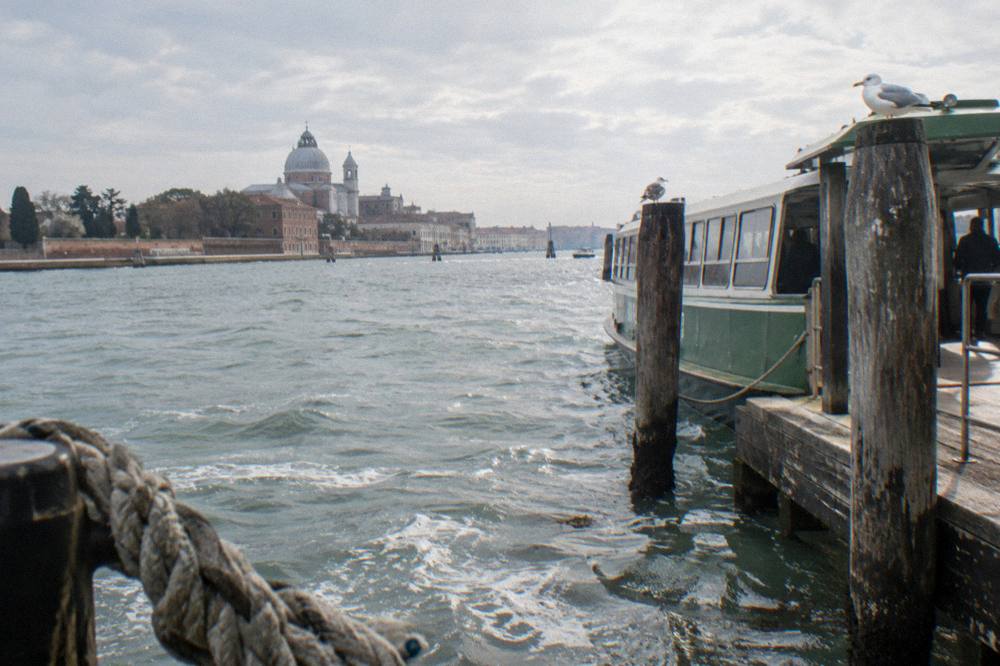
Budget roughly one vaporetto ticket per heavy travel day and none on pure walking days, since the historic centre is entirely walkable and the bridges punish wheeled luggage more than feet. A single 75-minute ticket costs a reported EUR 9.50, a 24-hour pass EUR 25, a 48-hour EUR 35, a 72-hour EUR 45 and a 7-day EUR 65, per the official ACTV page, and children under 6 ride free. On a two or three day city-only plan you may spend nothing on transport at all; the pass math only flips in your favor once islands or multiple daily crossings enter the plan.
Accommodation carries a separate tourist tax, a reported EUR 0.10 to 5 per person per night depending on the property type and rating, collected by your hotel and capped at five consecutive nights, with reductions for children under 10. This is entirely separate from the access fee described above, which currently does not apply; rates roll over from standing regulations, so check the municipality's tourist tax page for your property type.
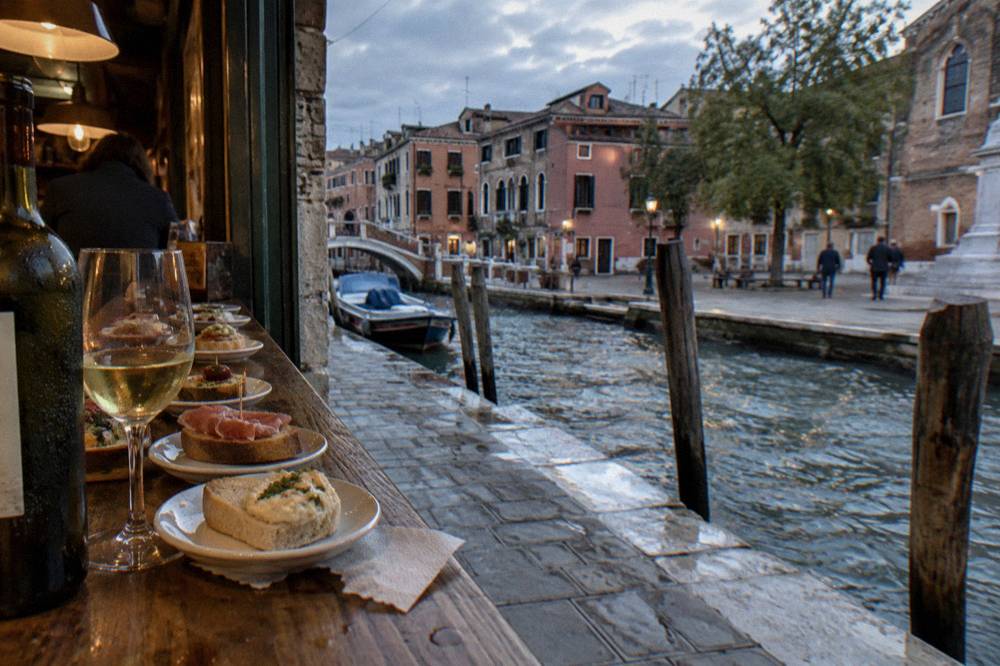
At the counter, daily food costs stay low if you eat the way the plan suggests. Cicchetti run a reported EUR 1.50 to 4 a piece and an ombra EUR 1 to 2.50 in local spots, so a five-stop crawl for one person lands somewhere in the range of roughly EUR 15 to 30 before you add anything fancier; treat these as planning ranges and check the posted lists at each bar, since there is no fixed city tariff. Standing at the counter also generally sidesteps the coperto, which runs a reported EUR 1 to 5 per person where applied.
One rule worth knowing before your first evening crawl: Venice prohibits drinking from glass containers outside permitted seating areas, and bans takeaway alcohol sales in untapped glass bottles or glass glasses, with reported fines of EUR 25 to 500 under the municipal regulation. In practice this means your ombra stays inside the bacaro, which suits the itinerary anyway.
| Item | Reported cost | Notes |
|---|---|---|
| Vaporetto single, 75 min | EUR 9.50 | Per ACTV official page |
| Vaporetto 24h pass | EUR 25 | Covers buses and trams too |
| Vaporetto 72h pass | EUR 45 | Worth it only with islands |
| Cicchetto per piece | EUR 1.50 to 4 | Posted list applies at each bar |
| Ombra, small house wine | EUR 1 to 2.50 | Local spots, standing |
| Coperto where applied | EUR 1 to 5 | Disclosed on menus |
| Tourist tax per night | EUR 0.10 to 5 | By property type, capped at 5 nights |
Where A Guided Walk Fits Into Your Days
Put the guided walk in the middle of your stay, not on day one and not on the last evening. A three-hour guided tasting walk works best once you have already crawled on your own, because you recognize the dishes and can question the guide, and it works best while you still have days left to act on the recommendations. Most visitors book exactly one guided food experience per trip, so its placement is the single most consequential booking decision in the whole itinerary.
Group sizes, meeting points and inclusions for each are on the operator's booking pages, and prices move with date and demand, so treat the listing as the source of truth. If your trip has a Sunday or Monday, slot the guided walk there, since the fish market gap leaves that morning weakest.
Dietary needs deserve a note before booking rather than an assumption at the counter. Where a listing does not state vegetarian, vegan or gluten-free accommodation, message the operator before booking to confirm what is possible; a guided walk with counted tastings has less flexibility than a self-guided crawl. The same applies to kosher needs, which no listing here claims to meet; the guide on kosher food in Venice covers what the city actually offers.
The evening format deserves equal consideration on a three-day plan. An evening food walk with bites, drinks and a sit-down dinner compresses the aperitivo hour and your main meal into one booked block, which pairs well with a day that already held a market morning. Read the evening food walk guide before choosing between an evening format and a daytime one, since the two serve different days of an itinerary.
Whatever you book, keep the free-cancellation note in mind: most guided walks listed on Venice Food Tours can be cancelled without charge up to a cut-off stated on the booking page, so lock the mid-trip slot early and adjust once you feel the city's rhythm. For help choosing between formats, which Venice food walk to book compares the families side by side, and what a food walk costs breaks down what the price actually covers.
Common Questions About A Food-First Venice Itinerary
How Many Days In Venice Is Enough For A Food-Focused Trip?
Three days is enough for most food-motivated visitors: it fits the Rialto market, two neighborhoods, one guided tasting walk and an unhurried dinner. Two days covers the essentials if the market and one crawl are your priorities. Four days adds a cooking class or the lagoon islands.
Is 2 Days In Venice Enough For Food Lovers?
Yes, with the right structure. Put the Rialto market on a Tuesday to Saturday morning, crawl bacari near Rialto on evening one, and give day two to Cannaregio or Dorsoduro. Counter cicchetti at a reported EUR 1.50 to 4 a piece keep the budget low.
What Day Of The Week Is Worst For A Venice Food Itinerary?
Sunday. Both Rialto markets are closed, produce and fish, so no market morning is possible. Monday is nearly as weak for food, since the fish market also closes then. Plan market mornings for Tuesday through Saturday.
Do I Need A Vaporetto Pass For A Food Itinerary In Venice?
Not on a city-only plan of two or three days; the historic centre is fully walkable. A pass starts making sense with a 24-hour pass at a reported EUR 25 versus EUR 9.50 per single ride, once you add the islands or several crossings a day. Check the official ACTV fare page before travel.
When Should I Book A Guided Food Walk Within My Stay?
Mid-trip. A guided tasting walk works best after you have crawled on your own and while you still have days left to revisit places the guide points out. Avoid the final evening, when recommendations come too late to use.
Does The Venice Access Fee Affect My Itinerary?
No. The 2026 trial ended on 27 July 2026 and no fee applies now. The fee returns in 2027 on listed dates from late March through mid-August, with amounts and arrangements not yet announced, so check the official access-fee portal if you travel then.