Does Venice Have Kosher Food?
A direct answer to whether Venice has kosher food, what the Jewish Ghetto in Cannaregio offers, and how to check that a food walk or venue can meet kosher needs.
Yes, Venice has some kosher food, but very little of it, so options stay limited. None of the food walks compared in this article is described as kosher, which means a traveler keeping kosher will want to plan meals around the city rather than expecting the usual tasting routes to cover those needs. Venice has a centuries-old Jewish quarter, the Ghetto in Cannaregio, and a small living Jewish community, so the city has Jewish food history in abundance. Strictly certified kosher supply, meaning a kitchen under supervision and a venue that can stand behind it, is thin on the ground, and a traveller keeping kosher needs to plan for that rather than assume it.
The honest framing matters here. A question like this usually comes from one of two travelers: the person who keeps strictly kosher and needs certified food, and the person who is simply curious whether they can eat Jewish-heritage dishes or see the historic Ghetto while in Venice. Those are two different trips, and Venice answers them differently.
For the strictly kosher traveler, the realistic picture is a city with limited certified options, where a bit of research before arrival and possibly some self-catering is the sensible approach. No tour listing on this site is described as kosher, and no venue in Venice is named here as holding a certification, because that has not been verified. Ask any operator and any restaurant directly, before booking or sitting down, and treat an unverified claim as no claim at all.
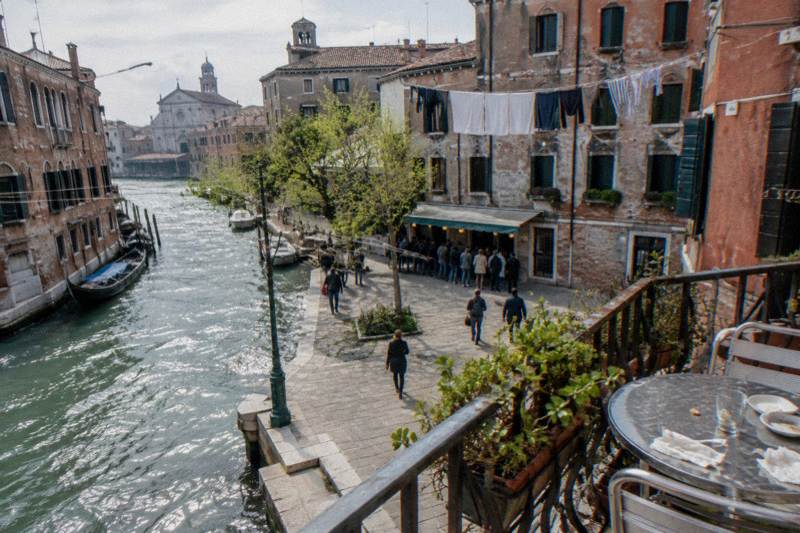
For the curious traveler, Venice is genuinely rich. The Ghetto in Cannaregio is one of the most atmospheric corners of the city, and the story of Venice's Jewish community, confined for centuries to a former foundry island and locked in at night, is woven into the stones. The word "ghetto" itself, in fact, is widely traced to Venice, from the Venetian term for the copper foundry, "geto", that once stood on the site. That etymology alone is worth the walk.
The natural pairing for that second traveler is a guided walk through the Ghetto and Cannaregio with food and wine stops. It will not be a kosher experience, and no listing here claims it is, but it puts the neighborhood's history and its eating culture side by side, which is exactly the combination this question is really asking about.
“Arrived to Venice this morning, and took the 5pm tour this evening. It was the best tour we have ever experienced! Giorgia was fun and informative. We had a huge and delicious variety of many food stops with beverages. I’d do it again with her in a heartbeat.”
Where Jewish Food Culture Sits In Cannaregio
Jewish food culture in Cannaregio centres firmly on the Ghetto, the historic heart of Jewish Venice, set in the north of the historic centre. Any Jewish-food itinerary starts here, and the whole area is walkable from the station in about fifteen minutes. The quarter clusters around a small group of squares, Campo del Ghetto Nuovo among them, ringed by tall buildings whose height comes from a sad practicality: confined to a small island and locked in at night, the community could only build upward. The squares are quiet, leafy compared with the crush near the Rialto, and a short walk from the Fondamente Nove vaporetto stops that serve the lagoon islands.
Food-wise, the neighborhood's story is about adaptation. A community confined to a tiny area and barred from many trades developed its own eating traditions inside it, drawing on Italian and Sephardic roots, with dishes that later traveled with emigrants and became "Jewish-Italian" food elsewhere, fried artichokes in Rome being the famous cousin. Venice's own Jewish culinary record is real, but what survives in the neighborhood today as daily dining options is modest, and what any individual venue serves, and whether anything it serves is certified kosher, is a question for the venue itself, not for a travel article.
That last point is the one to hold onto. Nothing in this article names a kosher restaurant, bakery or certification in Venice, because none of that has been verified, and printing a confident guess here would be worse than useless to someone with real dietary requirements. The reliable move is to contact venues or the community directly before you travel, ask plainly whether they hold a current certification, and plan around the answer.
What a guided walk does give you, reliably, is context. A food-focused walk of Cannaregio that includes the Ghetto, such as the four-hour Jewish Ghetto and Cannaregio walk with wine featured here, moves through the quarter's history and its present-day eating life with a guide who can point out what you would walk straight past alone. The listing describes a walk built around the neighborhood rather than around certified dining, so read its inclusions on the booking page and raise kosher needs with the operator before you pay.
Wondering whether a guided walk is worth it for your particular diet?
A walk is also a good filter for the rest of your stay. Cannaregio itself is one of the three eating neighborhoods covered in the Venice food by neighborhood guide, and it holds a large share of the city's most-loved bacari, the small standing wine bars where cicchetti, the Venetian bar snacks, are served. Those bars are not kosher venues, but they are the texture of the district, and a Ghetto-focused walk sits right beside them.
What A Ghetto And Cannaregio Food Walk Actually Covers
The featured walk runs about four hours through the Jewish Ghetto and the wider Cannaregio district, with food and wine stops along the way, and its exact stops, meeting point and inclusions are all stated on its booking page rather than guessed at here. Four hours is long for a walking food experience, and that length is the point: it leaves room for both the historic quarter and the bacaro-lined lanes toward the northern canals, rather than rushing one or the other. Read the listing before booking rather than after.
The other two walks in this article's comparison suit different travelers. Eat Like a Local, a three-hour small-group tasting walk, covers the classic cicchetti crawl format across central Venice, with the tastings and drinks counted out on its own page. The Rialto Market food and wine lunchtime walk, also around four hours, builds its route around the morning market, which makes it the choice if seeing where Venetian shopping actually happens matters more to you than the Ghetto's history. Neither is described as kosher either; the same rule applies to both, message the operator first.
A quick comparison of the three, using only what each listing states:
| Walk | Length | Focus | Kosher status on the listing |
|---|---|---|---|
| Jewish Ghetto and Cannaregio walk with wine | 4 hours | Ghetto history plus Cannaregio food and wine stops | Not described as kosher; ask the operator |
| Eat Like a Local small-group tasting walk | 3 hours | Classic cicchetti and bacaro crawl, small group | Not described as kosher; ask the operator |
| Rialto Market lunchtime food and wine walk | 4 hours | Market visit followed by food and wine | Not described as kosher; ask the operator |
For the strictly kosher traveler, the value of any of these walks is informational rather than culinary. You may choose to eat before or after and simply enjoy the guiding, which is a completely reasonable way to take a food walk when your diet is non-negotiable. Tell the operator what you are doing when you book; guides deal with dietary constraints constantly and can often adjust a stop or two, though no adjustment should be assumed as promised.
For everyone else, the Ghetto walk is the one that answers this article's question most directly, because it connects the city's Jewish history to its eating present in a single route. Its price, rating and exact inclusions are on the operator's listing rather than restated here, so check them there before deciding.
The distinction between "Jewish food" and "kosher food" is worth one more sentence, because the two get flattened together constantly. Jewish food is a cuisine and a history; kosher is a set of dietary rules and, in practice, a supervision arrangement. Venice offers plenty of the first and little verified of the second, and a walk through the Ghetto delivers the first without implying the second.
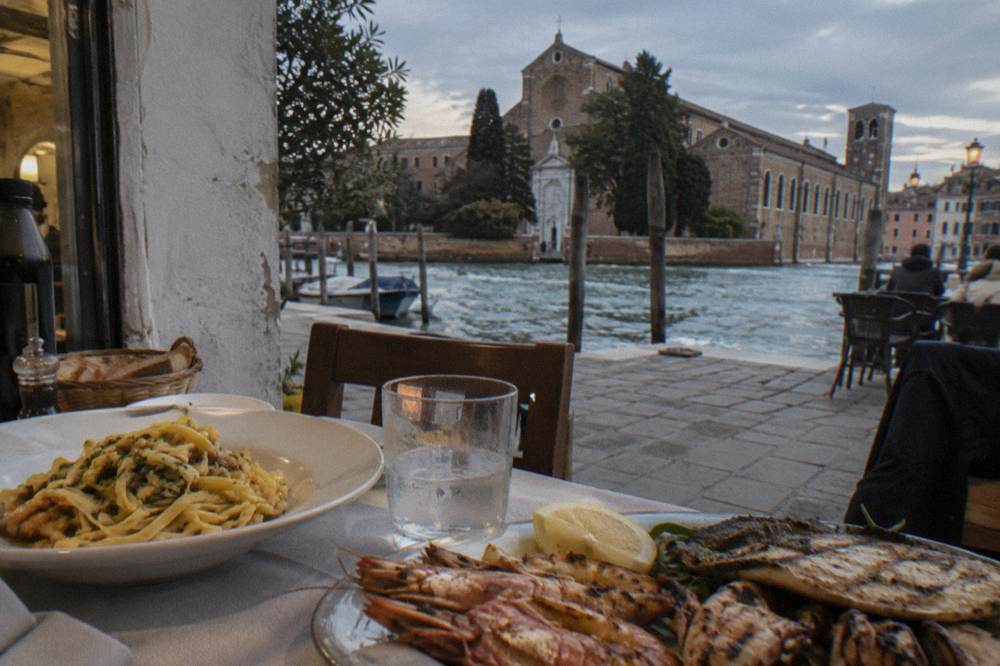
“This tour was really fun! Our guide Levy was very nice, and taught us a lot about Venetian Bacari. We were running a bit late after some issues at the airport, but Levy stayed in constant contact and ensured we could join along the way. The food and drink was delicious, and the experience was amazing! It was exactly what we needed to start our Italy trip.”
How To Check Whether A Tour Or Venue Can Meet Kosher Needs
Before booking, contact the tour operator or venue directly and ask in writing whether they can meet kosher needs, then treat any answer that stops short of naming a specific accommodation as a no rather than a maybe; getting it in writing gives you a record of exactly what was promised. Operators of food walks deal with dietary questions every day, and a clear question gets a clear answer: can the walk accommodate a kosher diner, will tastings be substituted or skipped, is there a reduction for skipped stops, and can the guide confirm anything about the venues used. The answers belong in your booking confirmation, not in a verbal assurance at the meeting point.
None of the walks compared here is described as kosher, which is why this section exists. A listing that does not state a dietary accommodation has not promised one, and the space between "we can probably work something out" and "here is what we will do" is where travel disappointments live. Writing to the operator through the booking page also creates a record, which helps if a walk cannot deliver what was discussed. Other pages covering the same trip are gathered on Venice Food Tours.
For restaurants, the bar is higher still. Kosher status is a certification question, not a menu question, and no venue in Venice is named in this article as certified, because that has not been verified and certifications change. The reliable sources are the venue itself and the local Jewish community, contacted before travel. Self-catering is the fallback that never fails: Venice's produce markets, discussed below, make a self-supplied picnic or apartment meal genuinely pleasant rather than a consolation prize.
A short checklist, usable for any dietary need and not only kosher:
| Step | What to do | Why it matters |
|---|---|---|
| Before booking | Message the operator and ask specifically about kosher accommodation | A listing's silence is not a promise |
| At booking | Get any agreed accommodation confirmed in writing | Protects you if a guide or route changes |
| For restaurants | Ask the venue directly about certification, not just ingredients | Kosher is a supervision status, not a menu style |
| Fallback | Plan self-catered meals around market shopping | Markets are open most days and need no booking |
One practical note for groups with mixed needs: a family or party where one member keeps kosher and others do not can still book a walk like the Ghetto tour, with the kosher diner treating it as a guided history walk and eating separately. Operators report that this is common and unremarkable, though, as with everything in this section, confirm the arrangement in advance rather than assuming it.
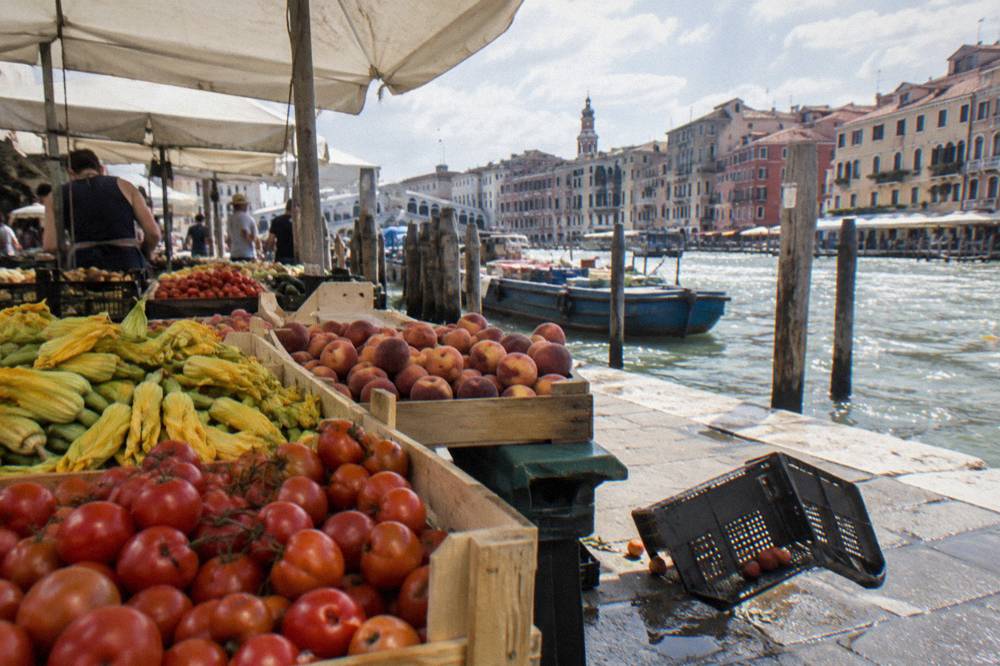
Market Shopping As The Kosher Traveler's Fallback
Venice's markets, above all at the Rialto, serve as the kosher traveler's most reliable fallback, since whole produce and fresh fish require no kitchen certification to remain what they are; when restaurant options fall short, shopping for raw ingredients lets you eat well while keeping strict requirements intact. The produce market at Rialto runs Monday to Saturday from 7:00 to 20:00 and is closed Sunday, per the official Venice tourism site's market listing; the fish market runs Tuesday to Saturday from 7:00 to 14:00, closed Sunday and Monday. The Comune di Venezia lists both among the daily markets of the historic centre. Fish early in the morning, produce through the day, and build from there.
For a kosher diner cooking for themselves, this is the good news in an otherwise thin picture. Fresh fruit and vegetables, eggs, breads and whole fish are straightforward buys, and an apartment with a kitchen turns them into meals without a single negotiation. For context on what a market-first visit looks like when a guide leads it, the Rialto market guide to fish, produce and what to taste walks through the stalls and the surrounding shopping lanes in detail.
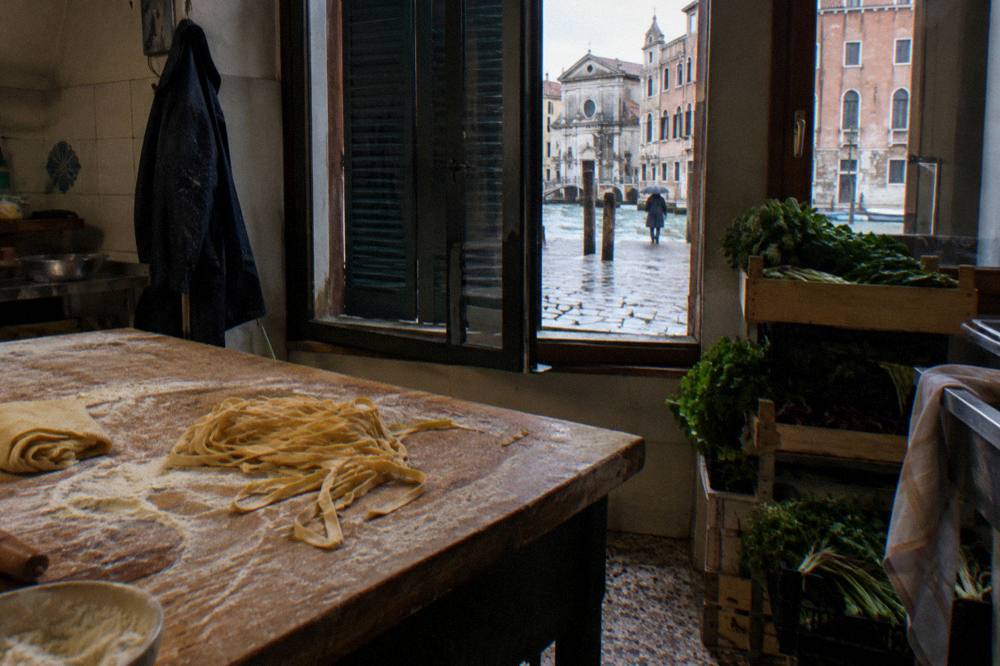
Timing matters more than travelers expect. The fish market closes by early afternoon and takes Sunday and Monday off entirely, and tour listings themselves warn that Italian holidays close it too, so a Monday arrival means no fish market at all that day. The produce stalls keep longer hours, but the liveliest hours are morning ones. If a market visit is the anchor of a day's eating plan, plan it before 13:00 and check the calendar.
For eating out without certification, the simple standing foods of the city are at least transparent. Cicchetti, the small snacks served at bacaro counters, run about 1.50 to 4 euros a piece as reported on the official Visit Venice food pages, with an ombra, the small glass of house wine, at about 1 to 2.50 euros. Those are reported local prices, not tour prices, and posted lists at each bar are what count. What any given cicchetto contains varies by bar and by day, which is precisely why a kosher diner asks rather than guesses, and why these figures appear here as planning context rather than as a recommendation.
“Ana was a great tour guide, providing lots of information about the history of Venice and it's food and drink culture. The food was all excellent, and is mostly chosen at each venue, making it easy for those with dietary requirements. The option to pay for a recommended drink pairing at some locations was also great.”
A kosher-adjacent note on fish, handled carefully: Venice's traditional cooking leans heavily on lagoon seafood, and its most famous dishes, from baccalà mantecato, the whipped salt cod, to risotto di gò from Burano, are fish-forward. Fish itself is not a kosher shortcut, since species, preparation and utensils all matter and only the diner's own standard can judge, but the city's raw fish supply at least makes careful home cooking realistic in a way a purely restaurant-focused city would not. The guide to baccalà and polenta covers those staple dishes if you want the background.
Planning The Practical Side Of A Kosher-Aware Visit
Getting to the Ghetto and the markets is simple, and the practical picture changed on 27 July 2026, when the day-visitor access fee no longer applied. With guided groups capped at 25 people, your main planning choices come down to timing and whether to visit independently or join a guide, and those limits shape how you book. Starting with the access fee: the 2026 trial ended, and per the official access-fee page, from 27 July 2026 no payment or exemption is needed to visit Venice. It returns in 2027, with dates already listed on the official page from late March through mid-August and amounts to be announced by 31 December 2026, so spring and summer visitors should check that page again before travelling. Nothing about the fee affects food shopping or the Ghetto specifically; it is simply one less line in the planning budget right now.
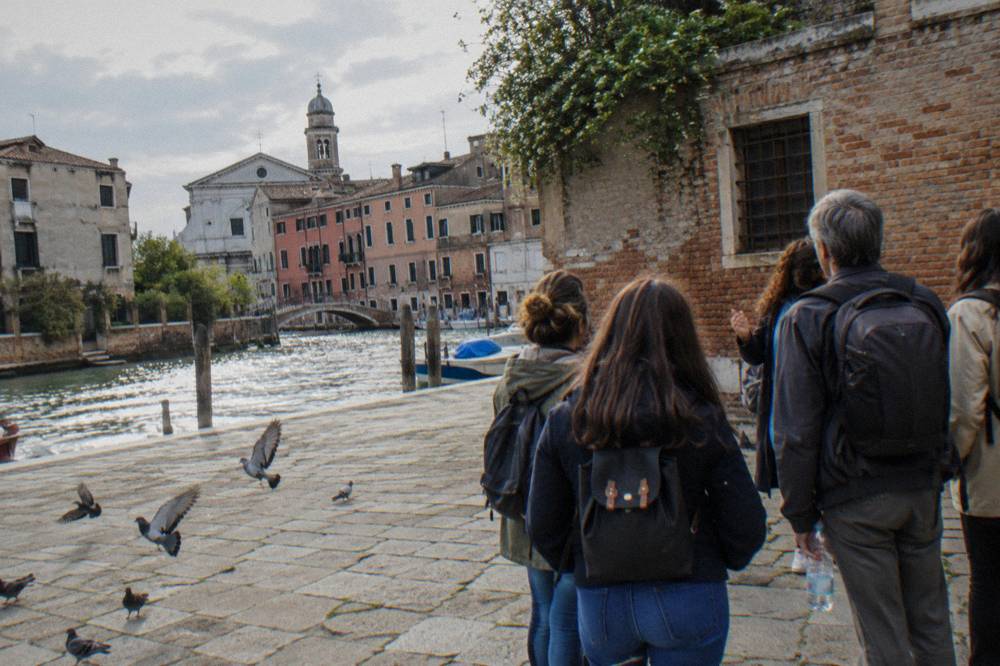
Getting around is by foot or vaporetto. A single ACTV ticket covering 75 minutes is 9.50 euros, with a 24-hour pass at 25 euros as reported on the operator's official fares page, and children under six travel free. Cannaregio sits in the north of the historic centre, walkable from the station in about fifteen minutes or served by the Fondamente Nove stops if you are coming from elsewhere. Those fares are reported operator prices, so check current tickets before you ride.
The group-size cap is worth knowing when choosing a walk. Guided groups in the historic centre and the lagoon islands are limited to 25 people, and loudspeakers are banned, with guides using headsets where needed, as reported under the standing city rules. A small-group listing like the three-hour Eat Like a Local walk sits comfortably under that ceiling by design, and even larger-format walks operate within it. What any specific tour's actual group size is lives on its own listing.
Eating culture timing helps too. Venetians eat late by some standards, with dinner well into the evening, and the aperitivo hour before it is when the bacari fill. The evening food walk guide covers that rhythm. For a kosher diner mixing guided walks with self-catered meals, the practical shape of a day is often: morning at the market, midday cooking or a simple certified-safe meal, afternoon walking the Ghetto with or without a guide, and evening either joining companions on a walk or eating in. That structure uses the city's strengths and routes around its thin certified supply.
One last rule that touches drinking in the streets: the municipal regulation bans consuming drinks from glass containers outside permitted seating areas and restricts takeaway sales of alcohol in glass, as reported in the city's public-space rules, so take your ombra at the counter rather than walking off with it. It is a small thing, but it is the kind of local rule that catches visitors out.
“Loved this tour, learned so much about the history of venice, food, and wine. Would definitely recommend and got so many recommendations to go afterwards. Great to do at the beginning of your stay so you can explore more eateries after.”
By way of a closing summary before the practical questions: Venice answers "yes, but" to this article's question. The Ghetto gives the history, the markets give the ingredients, the walks give the context, and the certification question is one only venues and operators can answer, in writing, before you book.
Three walks that pair naturally with a kosher-aware visit, from the Ghetto itself to the market and the classic crawl:
If you are still weighing which format fits, the comparison of Venice food walks by type breaks the choices down by time, budget and appetite.
Common Questions About Kosher Food In Venice
Does Venice Have Kosher Food?
Very little verified. Venice has a historic Jewish quarter in Cannaregio and a small living community, but no tour listing compared here is described as kosher and no venue is named here as certified, because that has not been verified. Contact venues and operators directly before booking, and plan self-catered meals around the Rialto markets as a reliable fallback.
Is The Jewish Ghetto Food Tour Kosher?
No, and the listing does not claim to be. The four-hour Jewish Ghetto and Cannaregio walk covers the neighborhood's history with food and wine stops, but its tastings are not kosher. Tell the operator your needs before booking; many diners with strict requirements take the walk as a guided history experience and eat separately.
Where Is The Jewish Quarter In Venice?
In Cannaregio, in the north of the historic centre, centered on Campo del Ghetto Nuovo. It grew from the confinement of Venice's Jewish community to a former foundry island, and the word "ghetto" itself is widely traced to the Venetian word for that foundry. It is walkable from the train station in about fifteen minutes.
Can I Keep Kosher And Still Enjoy A Venice Food Walk?
Yes, in a modified way. Book the walk for its guiding rather than its tastings, tell the operator in advance so stops can be discussed, and eat before or after. The produce market at Rialto runs Monday to Saturday 7:00 to 20:00 and the fish market Tuesday to Saturday 7:00 to 14:00, so a self-catered meal fits easily around a scheduled walk.
Do I Need To Pay The Venice Access Fee To Visit The Ghetto?
Not currently. The 2026 access-fee trial ended and, per the official page, from 27 July 2026 no payment or exemption is needed to visit Venice. The fee returns in 2027 on listed dates between late March and mid-August, with amounts to be announced by 31 December 2026, so check the official page before a 2027 trip.