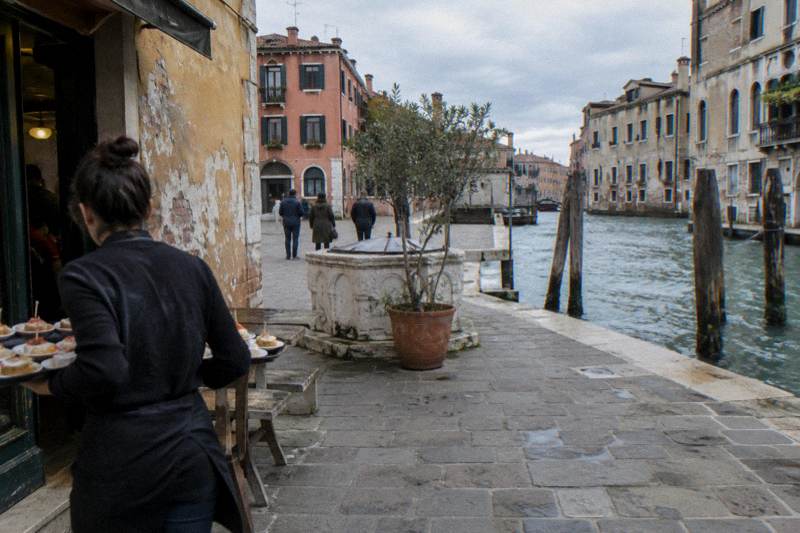
What Is A Must Buy In Venice?
The edible souvenirs worth carrying home from Venice: bussola biscuits from Burano, local wines, pasta and coffee, plus the shopping rules and price ranges to know before you buy.
The must buys in Venice are edible: bussola biscuits from Burano, a bottle of Veneto wine such as Prosecco or Raboso, good dried pasta, and locally roasted coffee. Together these cost less than a single piece of souvenir glassware, survive the journey home, and keep tasting like the trip for weeks.
Murano glass and Carnival masks are the two purchases Venice is famous for, and they deserve exactly one sentence here: they are crafts, not food, and this page is about what you can eat and drink. If a hand-blown glass catches your eye, buy it, but know that counterfeits circulate widely in tourist shops and a certificate from the workshop is the only real protection. That is the whole lecture. Everything below is about the city's food shops, markets and bacari, and the things worth carrying home in a suitcase.
The reason food wins as a souvenir category is simple arithmetic. Reported prices for cicchetti, the small snacks sold at standing counters, run about EUR 1.50 to 4 a piece, and an ombra, the small glass of house wine that goes with them, is reported at about EUR 1 to 2.50 in local spots. Those figures come from the official Venice visitor site and they set the tone for the whole city: the good stuff here is cheap, fresh and tied to the lagoon, not packaged and branded. A tourist shop near St Mark's sells a plastic gondolier for more than a packet of Burano biscuits costs at the bakery that has made them for generations.
There is one planning fact that shapes every shopping day in 2026 and 2027. The day-visitor access fee trial ended on 27 July 2026, and per the official page no fee applies and no payment or exemption is needed to visit. That will change in 2027, with fee dates already listed from late March through mid-August and the amounts still to be announced by 31 December 2026, so day-trippers planning a shopping run next year should check the official access fee page before travelling. Nothing about buying biscuits changes, but the cost of simply being there might.
If the goal is to taste before you buy, the most efficient route is a guided walk through the market district. The Rialto market food and wine lunchtime tour spends four hours on exactly this ground, from the produce and fish stalls to a seated tasting with wine, and details of the meeting point and inclusions are on the booking page. A structured walk teaches you the vocabulary of Venetian food, and that vocabulary is what you will use in the shops afterward.
Bussola And Burano Biscuits: The Souvenir That Travels
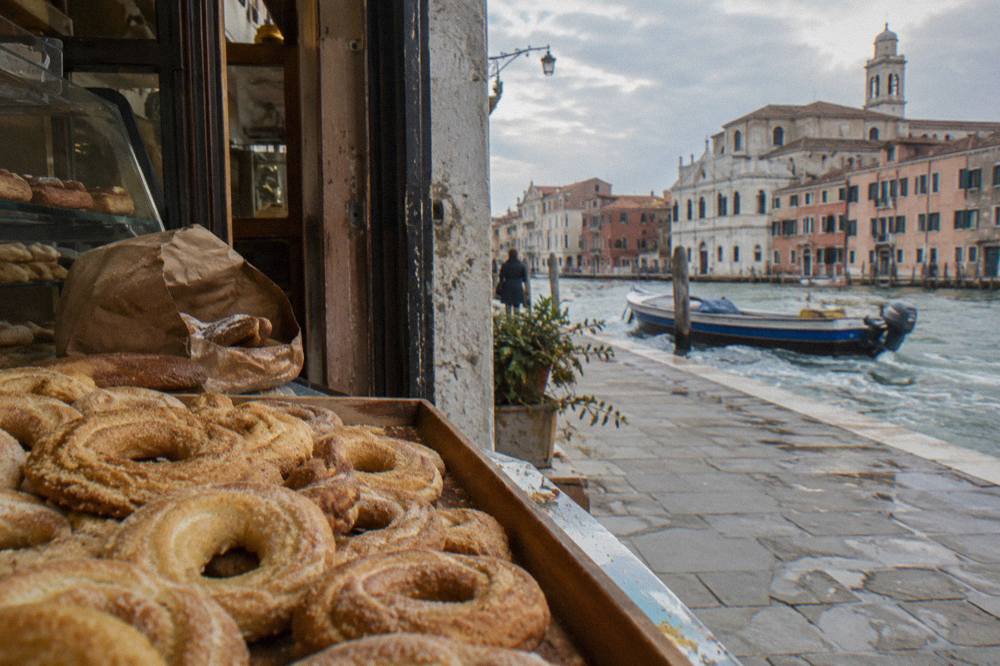
The single best food buy in Venice is the bussola, a ring or S shaped butter biscuit traditional to Burano, because it was designed to travel. Fishermen carried them to sea, the dough is rich with egg yolk, and the biscuits keep for weeks in a tin. Nothing else in the city combines local identity and shelf life so well.
The official Venice tourism site records bussolai, also written as esse di Burano for their S shape, as a longstanding island tradition: a rich egg-yolk dough historically baked for fishermen and associated with Easter, prized partly because it stays good far longer than most fresh pastry. That long shelf life was a working requirement for men who spent days on the water, and it is exactly what makes them the perfect souvenir now. A paper bag of fritole, Venice's carnival fritters, is a better eat on the day and a ruined suitcase by the weekend. Bussola is the opposite: it waits for you.
“Giovanni is so knowledgeable and hilarious. We had a fabulous time on this tour. It was one of the best we’ve done and it helped us to appreciate all of Venice, including the areas that are off the beaten path. The food was delicious (best pizza and gelato in Italy yet!).”
The biscuits belong to Burano, the lace island reachable by vaporetto line 12 from Fondamente Nove, with daytime intervals of roughly 20 minutes at peak times per the published network descriptions. That makes a biscuit run a half-day project: ferry out, walk the painted lanes, buy from a bakery on the island, ferry back. The same trip puts you in reach of risotto di gò, the lagoon goby risotto that is Burano's savory signature, though a plate of risotto does not fit in a suitcase and the biscuits do. The island's biscuit tradition is documented on the official tourism site, so the purchase is as legitimate as souvenirs get: real, regional and made where you bought it.
For readers who want the sweet side of Venice without the ferry logistics, there is a two-hour Sweet Stroll Through Venice covering pastries, chocolate and gelato, which is a tasting walk rather than a shopping trip but teaches you which sweets are local and which are generic. What each stop serves is described on the booking page.
Wine, Prosecco And What To Carry Home
Wine is the second must buy, and Veneto is one of the few places where the supermarket bottle is genuinely local. Prosecco, Soave and Raboso are all regional names worth looking for, and the municipal rules on glass in public spaces mean you buy to carry home, not to drink walking. A bottle or two packs flat and survives any flight.
The Veneto region produces Prosecco, Soave and Amarone, and a bottle bought within sight of where the grapes grow costs a fraction of the same bottle abroad. That claim needs no price attached: compare any shelf in a Venetian alimnetari with the same label at home and the arithmetic makes itself. Prosecco is the easy choice, Raboso, the local red that bacari pour by the ombra, is the more distinctive one, and either one fits the same suitcase pocket.
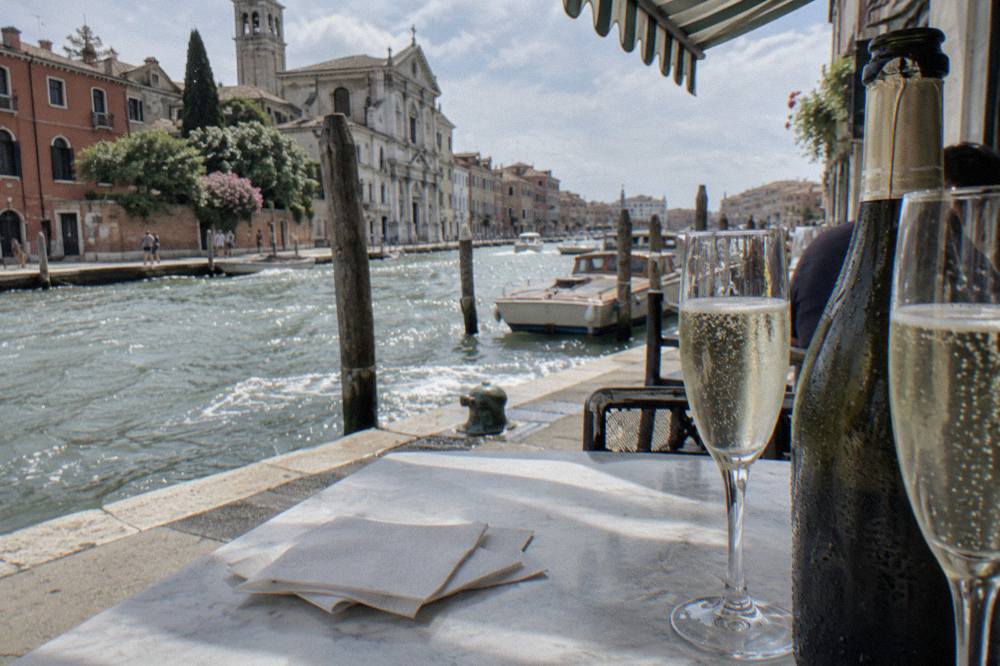
One rule matters before you drink any of it locally rather than at your hotel. A standing municipal regulation prohibits drinking from glass, ceramic or similar containers outside permitted outdoor seating areas, and bans takeaway sales of alcohol in untapped glass bottles or glass glasses for public consumption, with reported fines of EUR 25 to 500. The rule is on the comune's published regulation, and it is worth checking current enforcement before you plan a picnic on a bridge. The short version: buy the bottle, carry it home closed, open it where you are allowed to sit.
For tasting before buying, Venice has a structured option: a Prosecco and Italian wines tasting experience runs about an hour and is listed in the wine and private tour family on this site, alongside a Venetian aperitif on the lagoon. Neither is a shopping trip, but an hour with someone explaining what Raboso tastes like does more for your bottle choices than any label you can puzzle out alone. The full wine picture, from the ombra custom to cellar visits, is covered in the site's Venice wine tasting guide.
Pasta, Coffee And Pantry Staples Worth The Weight
Dried pasta, locally roasted coffee and small pantry jars are the third tier of must buys: heavy but cheap, and impossible to regret. Dried pasta travels as well as biscuits, Venetian coffee roasting is an old trade, and everything from artichoke preserves to sarde in saor style preparations says more about the larder here than any fridge magnet.
Dried pasta is the most practical purchase in the city. It is light for its bulk compared with liquids, it does not break like glass, and a paper bag of good quality pasta from a Venetian grocer costs about what a coffee costs at a tourist cafe. The same shop will sell the accompaniments: salted baccalà products, polenta, and preserves built on the lagoon's produce calendar. Sant'Erasmo, the agricultural island the facts file calls the garden of Venice, supplies the small violet artichokes harvested briefly in spring; fresh ones are a seasonal treat you will likely miss, but their preserved cousins in jars are a legitimate year-round buy.
“My husband and I had so much fun with this experience! We had a great group of fellow Americans and Chef Filippo took great care of us. He is so knowledgeable, with lots of good local tips, and he made us laugh as well! We learned so much about Venice and cooking - truly a memorable time - and we had a delicious meal to enjoy when we were finished. I highly recommend this tour to anyone visiting Venice! Grazie!”
Coffee deserves its own line. Venice's historic role as a port made it one of Europe's first coffee cities, and roasters in the city still sell by the bean. A half-kilo bag of espresso roast is small, solid and aromatic in a suitcase, which is more than can be said for most souvenirs. As with everything on this page, no specific shop is named because rankings of shops are exactly the kind of claim that goes stale, but the category itself is a sound buy.
The rule of thumb across all pantry buying: weight is the only cost. If you are flying with a checked bag, jars and bottles are fine. If you are carrying on only, stick to pasta, biscuits and coffee, because preserves and wine will not clear security, and the access fee question, covered earlier, is the only entry cost you might face on a 2027 day trip to restock.
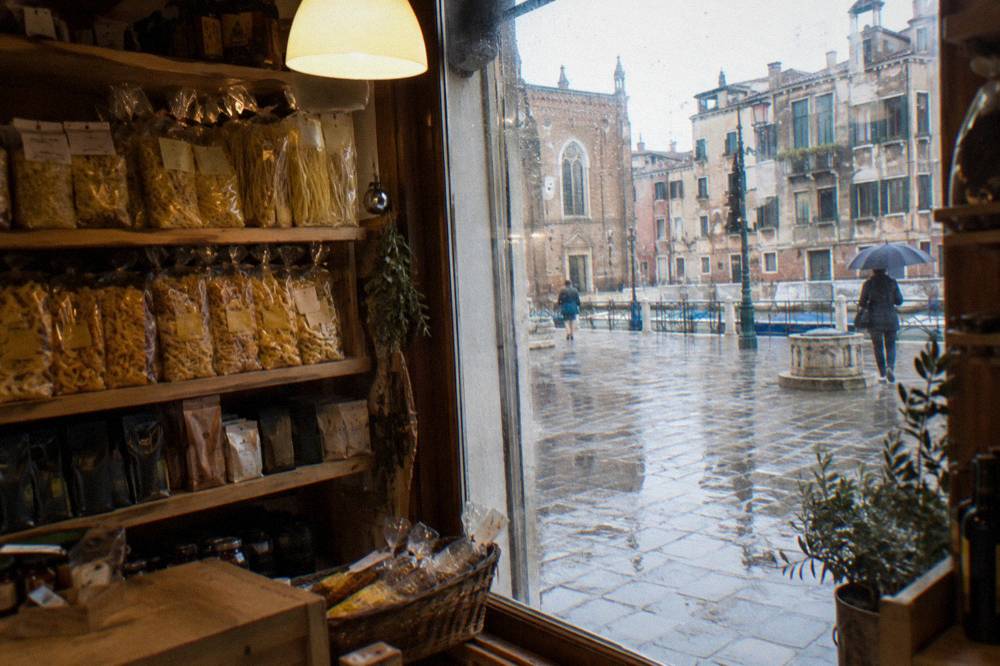
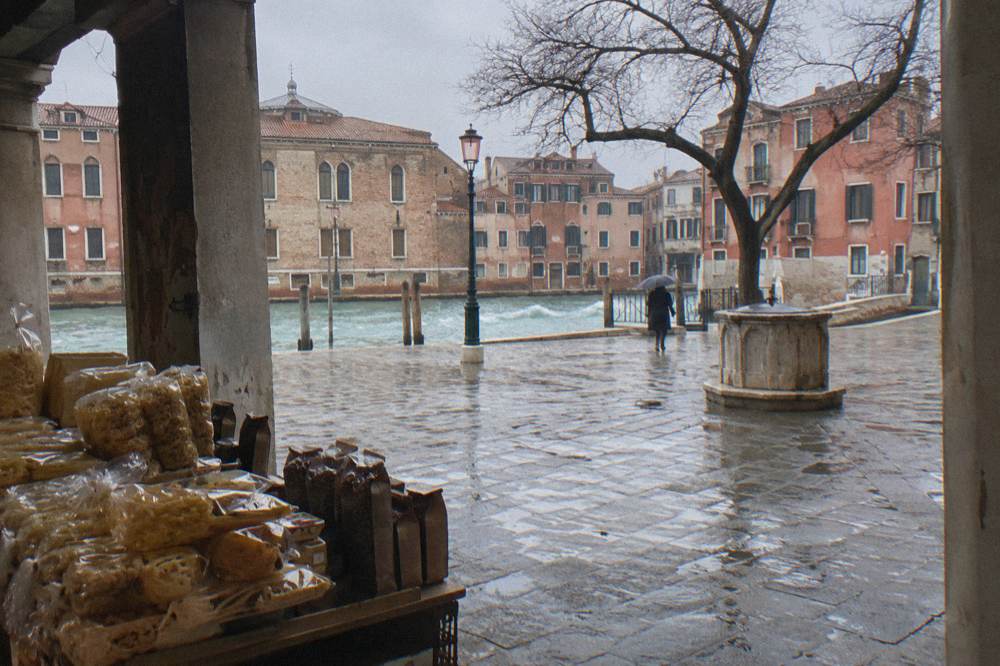
Where To Buy: Markets, Bacari And Bakeries
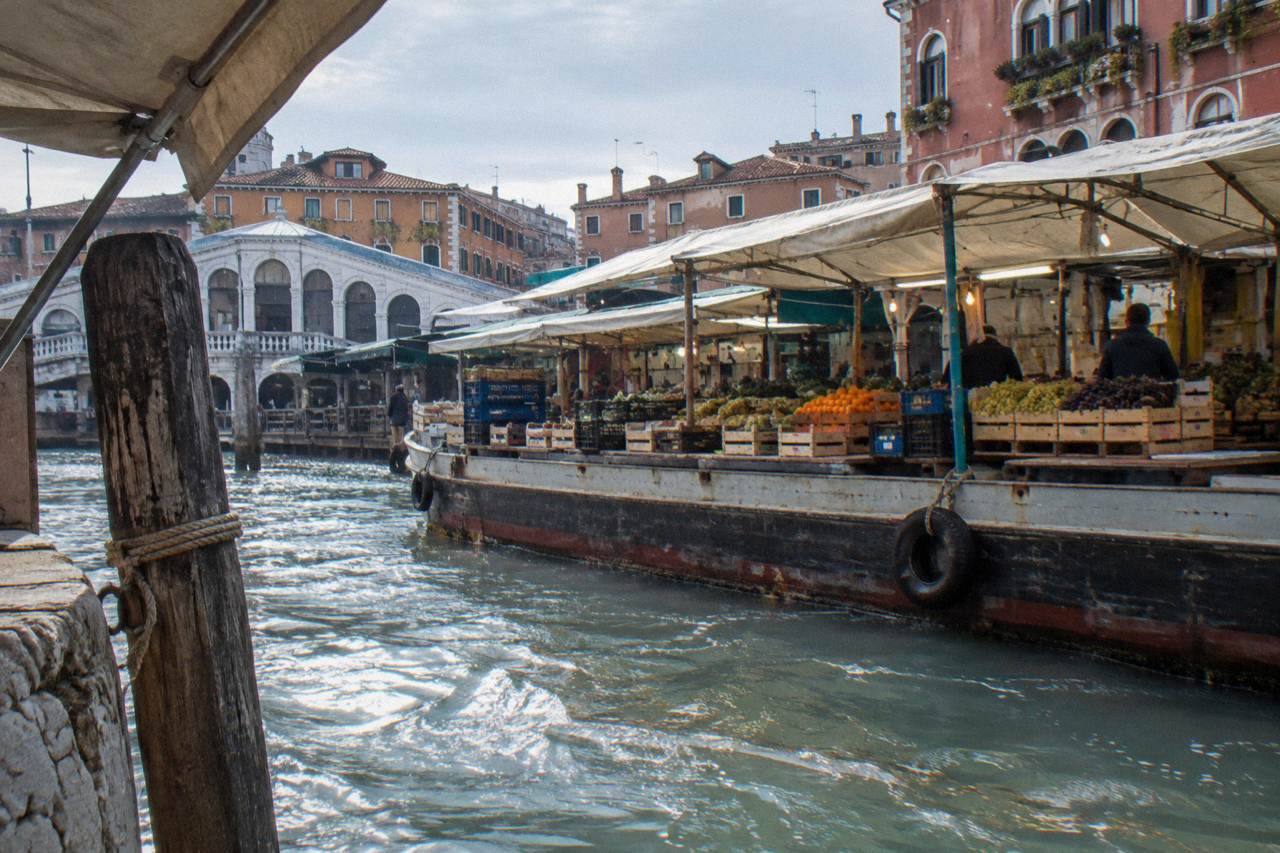
Buy food where Venetians buy it: the Rialto markets on a weekday morning, bacari for tasting-sized portions, and bakeries on Burano for biscuits. The produce market runs Monday to Saturday, the fish market Tuesday to Saturday, and both close on Sunday, so the day of the week decides most of your shopping plan.
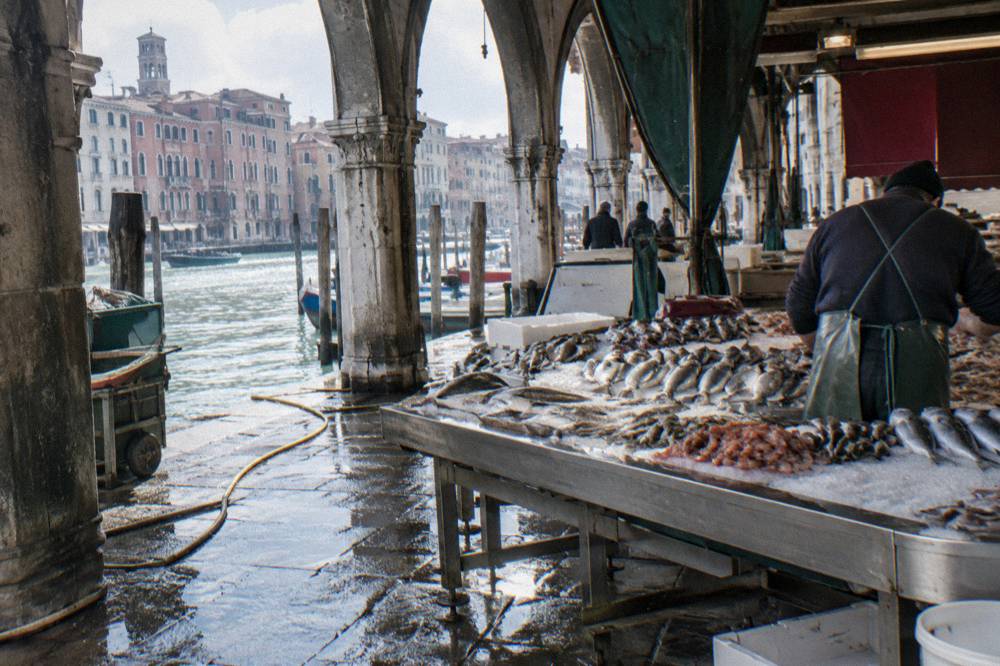
The verified hours are worth memorising. Per the official Venezia Unica listing, the Rialto produce market operates Monday to Saturday from 7:00 to 20:00, and the fish market Tuesday to Saturday from 7:00 to 14:00, with the fish market closed Sunday and Monday. Tour listings themselves warn that the fish market also closes on Italian holidays, so a Monday visitor sees neither fish nor the full market rhythm. Morning is the window for everything: by mid-afternoon the fish stalls are empty and the produce stalls are winding down.
What the market gives a shopper is calibration. After an hour watching what Venetians pay for artichokes, radicchio or lagoon fish, the price of a jar or a packet elsewhere in the city reads differently. For travellers who want that calibration with a guide attached, the site's Rialto market guide covers the stalls in detail, and the four-hour Rialto market food and wine lunchtime tour pairs the market walk with a seated tasting; the meeting point and full inclusions are listed on the booking page.
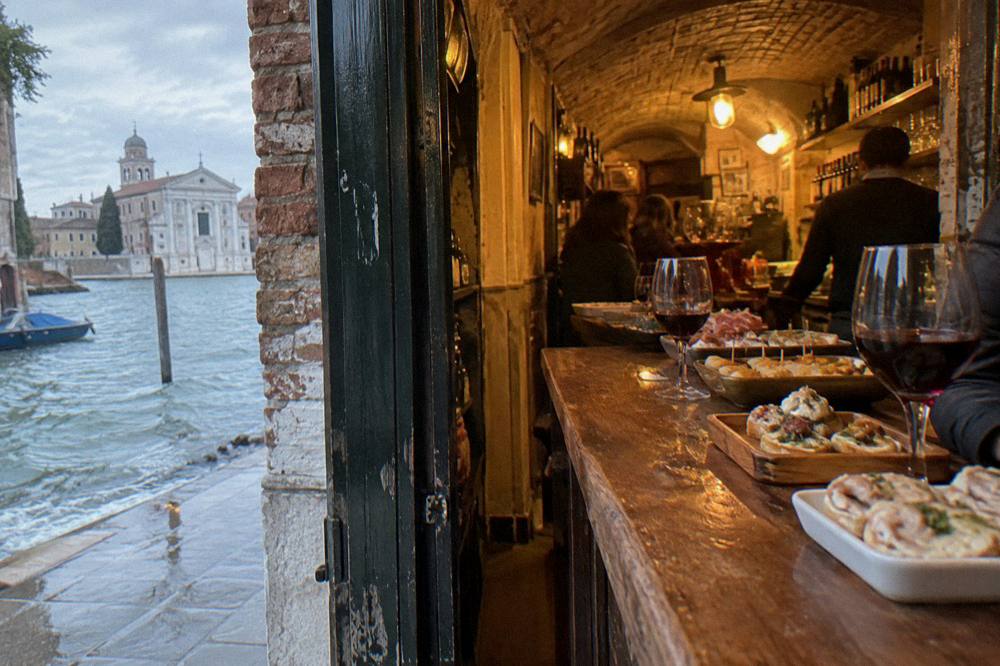
Bacari, the standing wine bars, are not shops but they serve a shopping function: they let you taste the ombra and the cicchetti before you commit to a bottle or a jar of whatever the counter is serving. Reported prices, cicchetti at about EUR 1.50 to 4 a piece and an ombra at about EUR 1 to 2.50, come from the official visitor site, and standing at the counter avoids the coperto, the cover charge reported at roughly EUR 1 to 4 per person where a venue applies it, always disclosed on the menu. The customs of the counter, from how to order to how to pay, are laid out in how a bacaro crawl works.
| Buy | Where | Why it travels | Reported price context |
|---|---|---|---|
| Bussola biscuits | Bakeries on Burano | Designed for long keeping, historic fishermen's provision | A fraction of glassware, no fixed tariff, posted prices apply |
| Dried pasta | Grocers and alimentari citywide | Light, unbreakable, no liquid restrictions | Cheapest souvenir per kilo in the city |
| Veneto wine (Prosecco, Soave, Raboso) | Wine shops and alimentari | Sealed bottle travels in checked luggage | Ombra at the counter reported EUR 1 to 2.50 |
| Locally roasted coffee | Roasters in the historic centre | Aromatic, solid, small | Comparable to a cafe coffee per bag |
| Preserves and artichoke products | Delicatessens near Rialto | Jar survives checked luggage | Check the label, prices posted |
What Not To Buy, And How Not To Get Cheated
The buys to skip are counterfeit Murano glass, anything sold as Burano lace that is machine made, and food branded for tourists rather than made locally. Counterfeit glass is the one with a real market behind it: buy glass only with a workshop certificate, and buy food only where the ingredient list and the origin are printed plainly.
This section is deliberately short because the honest advice is short. Murano glass counterfeits are a recognised problem, and the only reliable protection is buying from a workshop or a seller who provides certification of origin; a sticker saying "Murano style" means it was not made there. The same scepticism applies to lace: Burano's hand-made lace is expensive because it takes days, so a cheap "Burano" tablecloth was made by a machine somewhere else. Neither category is food, and neither is needed for a great souvenir haul.
On the food side the trap is weaker but real: packaging with a gondolier on it, sold at maximum markup within a hundred metres of St Mark's. The remedy is geography more than knowledge. Walk ten minutes in almost any direction from the tourist core, into Cannaregio, Castello or Dorsoduro, and the same categories of food cost less and come from shops that locals actually use. The site's neighborhood guide to Venice food by neighborhood maps where those shops cluster.
Two practical rules round out the picture. Standing at a bacaro counter, tipping is optional and virtually none is expected beyond rounding up, and the coperto is typically avoided by standing rather than sitting. And Venice caps guided groups at 25 people in the historic centre and the lagoon islands, with loudspeakers banned, so any food walk you join will use headsets and a small group, as reported in the current regulations. Neither rule costs money, but both change how a shopping-and-tasting day feels.
Pairing The Purchases With A Tasting Walk
The most efficient shopping trip is a guided tasting walk followed by an hour of buying on your own. A food walk introduces the city's staples with a guide translating labels and customs, then you return to the stalls and bakeries already knowing what you want. The three-hour small group walks in the market family are built for exactly this.
The logic is that shopping in a foreign food culture has a learning curve, and a walk flattens it. The Eat Like a Local three-hour small group food tasting tour, the most reviewed walk compared on this site, spends its three hours on the city's staples in a small group format; what is tasted and where it starts are set out on the booking page. After it, a shopper who has eaten baccalà mantecato and drunk an ombra walks into any alimentari and buys with intent instead of guessing at packaging.
The market and street food family on Venice Food Tours also includes shorter cicchetti walks and a street food tour with a local guide, all in the two-and-a-half to four-hour range, and the choice between them is mostly about appetite and schedule rather than quality. A morning market tour ends near the stalls at the right hour for buying; an evening walk ends after some shops close. The site's comparison of which Venice food walk to book breaks the choice down by pace and budget.
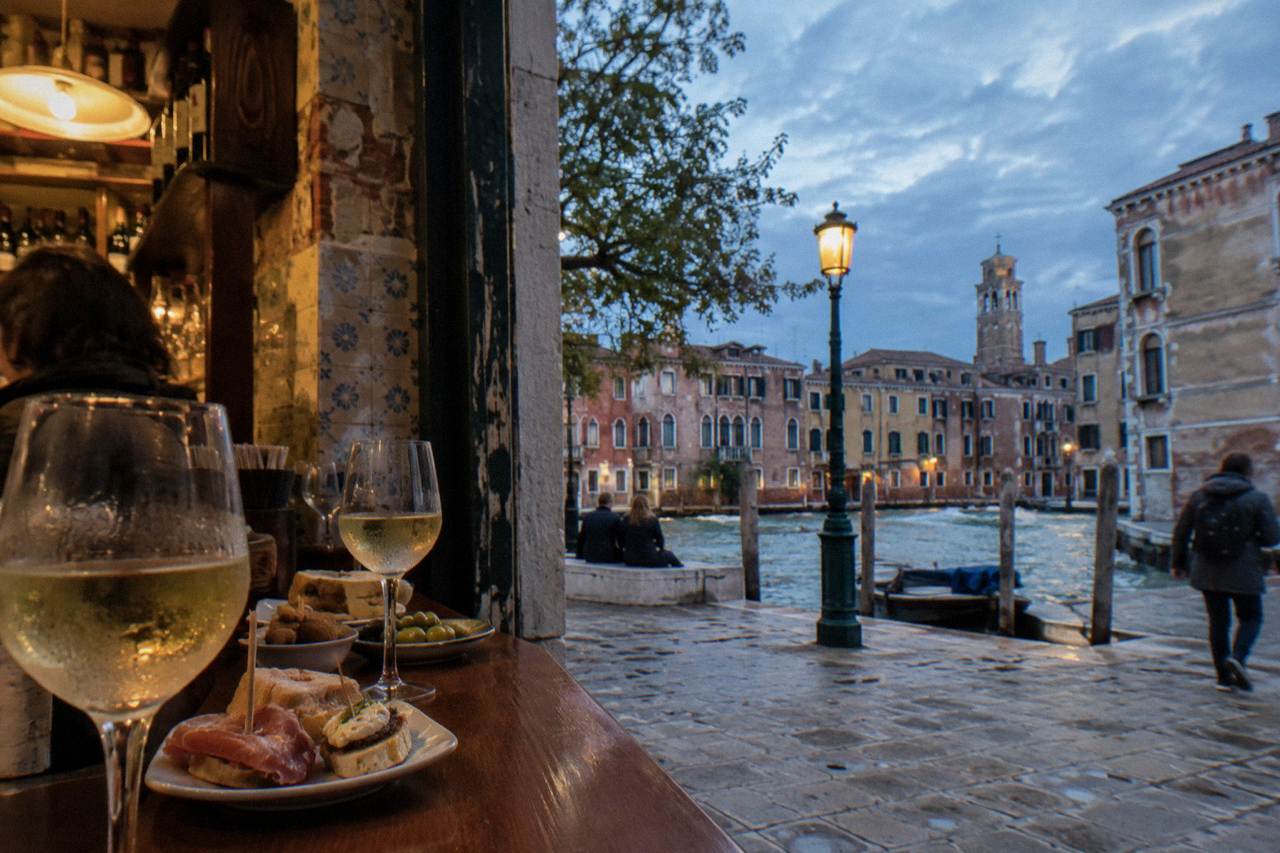
Whatever you buy, the test is the one this page started with: does it keep, does it say Venice, and would a Venetian recognise it. Biscuits from Burano, a bottle of Raboso, a bag of pasta and a half-kilo of roast beans pass all three. That is the whole answer to the question, and it fits in one suitcase.
Common Questions About Must Buys In Venice
What Is A Must Buy In Venice?
Food: bussola biscuits from Burano, a bottle of Veneto wine such as Prosecco or Raboso, good dried pasta and locally roasted coffee. These keep well, cost less than craft souvenirs and are made in the region you visited.
Is Murano Glass Worth Buying?
As a craft, yes, but only with a workshop certificate of origin, since counterfeits circulate widely in tourist shops. It is not a food purchase, so treat it as a separate decision from the edible must buys.
Can I Bring Wine Home From Venice On A Plane?
Yes, in checked luggage; sealed bottles will not clear cabin security. The municipal rule against takeaway alcohol in glass applies to drinking in public spaces, not to carrying a closed bottle home.
Where Do I Buy Bussola Biscuits?
On Burano, at the island's bakeries, reached by vaporetto line 12 from Fondamente Nove. The biscuits were made to keep, so a tin bought on a day trip stays good for weeks at home.
What Day Is Best For Food Shopping In Venice?
A weekday morning. The Rialto produce market runs Monday to Saturday, the fish market Tuesday to Saturday, both from 7:00, and the fish market closes by 14:00, with Sundays and Italian holidays shut.