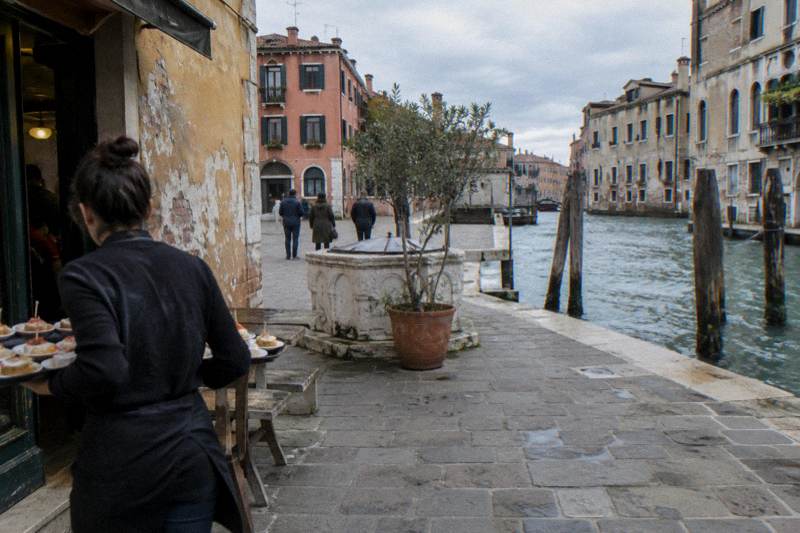
What To Be Careful Of In Venice?
Practical cautions for eating and drinking well in Venice: tourist menus, coperto, crowds, the glass-container rule, and what changed with the access fee in 2026.
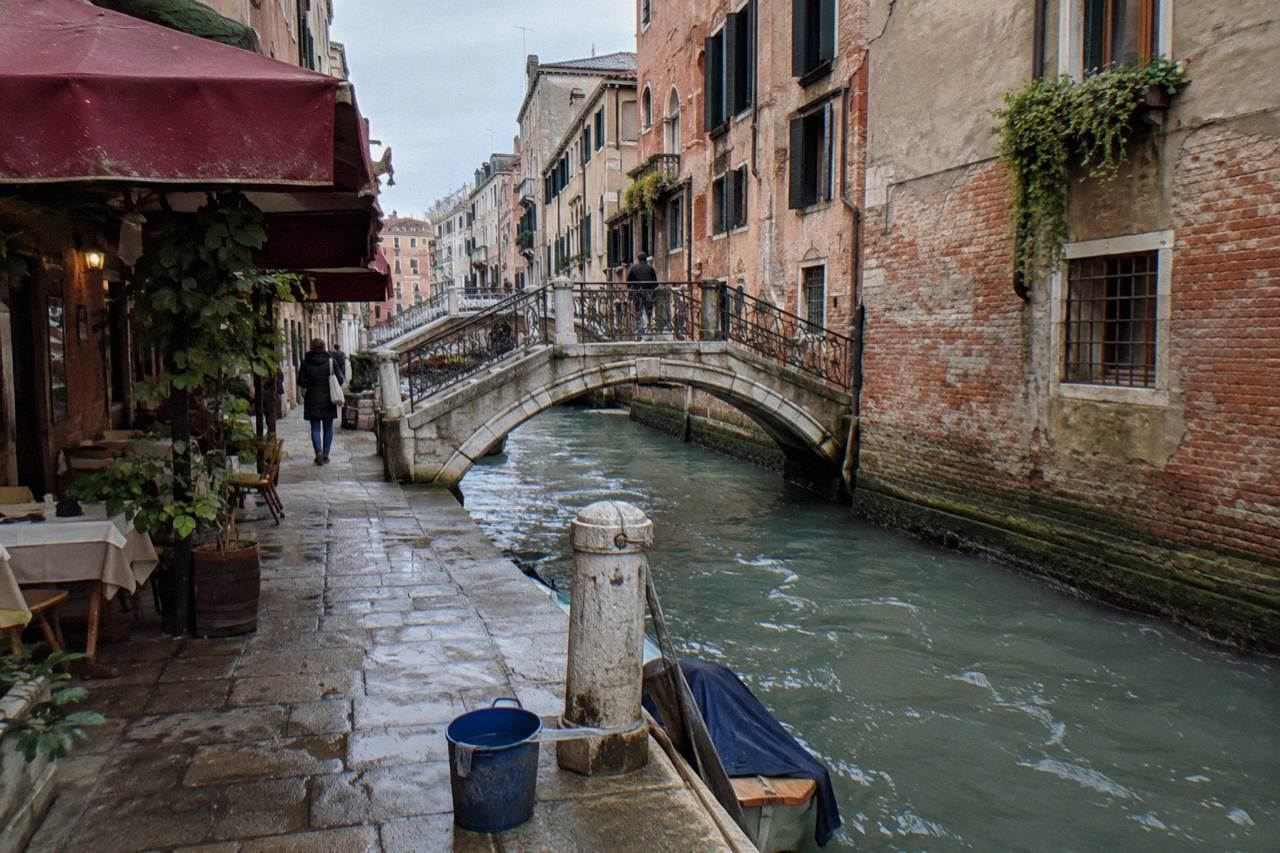
Venice is, by most everyday measures, one of the easier Italian cities to visit: there is no traffic to dodge, the historic centre is walkable end to end, and the food culture rewards anyone who steps two streets back from the Grand Canal. The things to be careful of are smaller and mostly financial. A menu with three prices for the same dish. A cover charge you assumed was the tip. A prosecco in a glass on a public street, which the city's rules treat differently than you might expect. None of this should scare anyone off. It should just be read before the first order.
This article walks through the practical cautions, with the official rules where they exist and general advice where they do not, and points to where a guided tasting walk saves you the guesswork. The pattern behind almost every caution here is the same: Venice compresses an enormous daytime flow of visitors into a tiny street network, and everything from menu prices to crowd density follows that compression. Once you see the pattern, the individual cautions stop feeling like a list of warnings and start feeling like one idea applied in different places.
The main things to be careful of in Venice are tourist-oriented menu pricing, the coperto cover charge that appears on sit-down bills, peak-hour crowds around Rialto and St Mark's, general petty theft in packed vaporetti, and a municipal rule that bans drinking from glass outside permitted seating, with reported fines of 25 to 500 euro. None of these are dangers in the dramatic sense; all of them cost money or comfort if you arrive without knowing them.
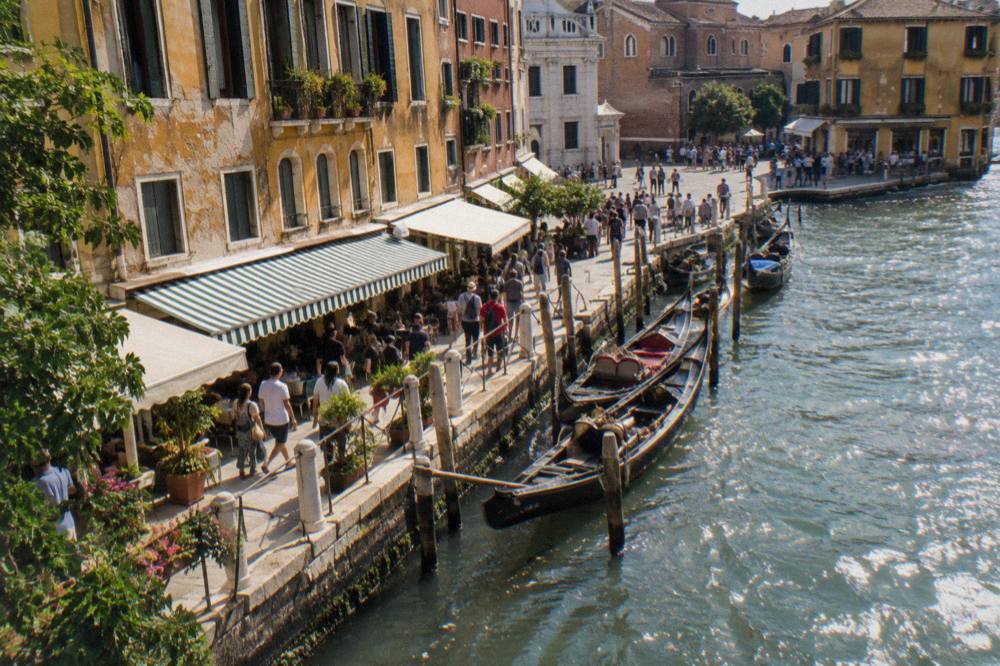
Start with the shape of the problem. Venice receives an enormous daytime flow of visitors into a very small street network, and the economics of a bar or restaurant two minutes from a major sight reflect that. The further you walk from the Rialto bridge or St Mark's Square, the more the menus look like real Venetian menus and the more the prices settle toward what locals pay. That is not a conspiracy; it is rent and footfall. The care consists mostly of walking ten minutes before choosing a table.
Then there are the rules. Venice regulates guided group sizes, public drinking and glass containers more strictly than most Italian cities, and it ran a day-visitor access fee trial through 2026 that ended in July. Knowing which rules apply now, and which return in 2027, is genuinely useful trip planning rather than scare copy.
For food-focused visitors, a vetted walk solves several of these problems at once. The featured Eat Like a Local tasting walk, the Venice Street Food Tour with a Local Guide and the Jewish Ghetto and Cannaregio Food Tour all move between stops a guide has chosen in advance, which removes the menu-guessing game entirely for a few hours.
Tourist Menus, Coperto And Reading The Bill
The two bill traps in Venice are the tourist menu and the coperto. A coperto, the bread and cover charge, commonly runs around 1 to 5 euro per person where applied, is legal, and should be disclosed on the menu. Tourist menus, by contrast, bundle a fixed price with variable quality and portions, and the defence is simple: read the posted menu before sitting down, and check whether service is included before adding a tip.
The coperto is not a scam. It is a standard, legal charge across Italy, listed on the menu, and in Venice it is commonly around 1 to 5 euro per person depending on the venue, with simpler places at the low end and tourist-heavy spots toward the top. Standing at a bacaro counter for cicchetti often avoids it entirely, which is one reason locals stand. Whether any given venue applies it is on its posted menu: read it before you order, not after.
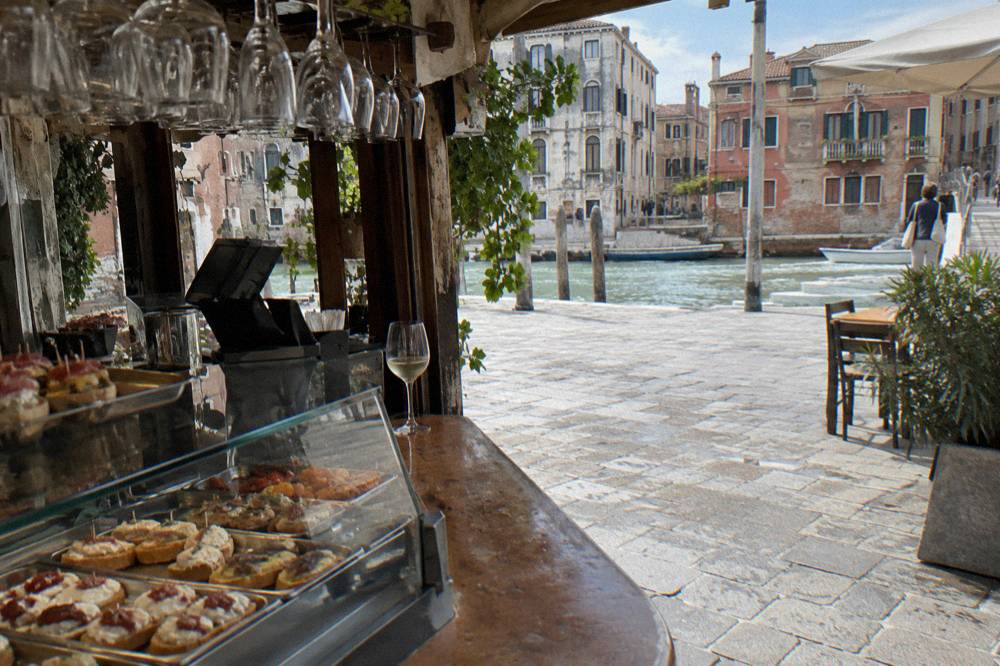
Tourist menus deserve more suspicion. The pattern to watch for is a multilingual display menu with a headline price, positioned at a choke point near a bridge or a vaporetto stop. Sometimes it is fine. Often the seafood is frozen, the portions shrink and the drinks carry the real margin. Compare the price of a half-litre of water or a house wine on that menu with a bar one street back, and the difference tells you what the fixed price is really doing.
There is a second, quieter version of the same trap: the upsell at the counter. A displayed price per cicchetto is honest, but a "special" offered verbally, a plate assembled for the table, a seafood platter sized by eye rather than weight, can arrive at a price nobody stated. The fix is not paranoia; it is simply asking "how much?" before the plate lands. In working bacari the answer is usually a plain number and no offense is taken.
Tipping closes the loop. In standing bacari, tipping is optional and rounding up is the norm; nobody expects a percentage. At a sit-down meal, leaving a little for good service is appreciated but not mandatory, and the coperto is separate from any service line on the bill. The fuller etiquette, including how coperto interacts with service, is covered in the guide to tipping, coperto and restaurant etiquette.
| Bill item | What it is | Typical reported amount | How to handle it |
|---|---|---|---|
| Coperto | Legal per-person bread and cover charge | Around 1 to 5 euro per person where applied | Check the menu before ordering; standing counters often skip it |
| Service | Optional service line on sit-down bills, separate from coperto | Varies by venue | Ask if unsure before paying |
| Tourist menu | Fixed-price bundle, quality varies | Fixed headline price, drinks carry margin | Compare drink prices with a bar one street away |
| Standing cicchetti | Counter service, piece by piece | Reported around 1.50 to 4 euro a piece | Price per piece should be posted |
| Ombra (house wine) | Small roughly 100 ml glass | Reported around 1 to 2.50 euro | Cheapest real drink in most local bacari |
The table above is a planning range, not a tariff. Posted lists apply at each counter, and the whole point of reading them standing up is that the numbers in front of you outrank any range printed anywhere, including here. Where a menu shows no price at all, which happens rarely but does happen, that itself is the signal to walk.
Petty Theft And Crowds: Everyday Care
The everyday care in Venice is ordinary city care, concentrated in a few packed places: keep wallets and phones out of back pockets on crowded vaporetti, be sceptical of anyone pushing a rose, bracelet or selfie offer, and expect the tightest crowds around Rialto and St Mark's at midday. Venice is not a high-stress security city, but its pinch points concentrate people, and that is where opportunistic theft happens.
No statistics are needed to act sensibly here, and none are offered. The practical pattern: the crush on a line 1 vaporetto at peak time is the moment a phone in a loose jacket pocket is most at risk, and the walkways around the Rialto bridge and the St Mark's area slow to a shuffle at midday in high season. Front pockets, zipped bags and a bit of spacing solve nearly all of it.
The other crowd caution is timing rather than safety. Rialto's produce market runs Monday to Saturday from 7:00 to 20:00 and the fish market Tuesday to Saturday from 7:00 to 14:00, both closed Sunday, with the fish market also closed Monday; tour listings themselves warn the fish market is closed Sundays, Mondays and Italian holidays. Arrive in the first two hours and you get the market locals actually shop at, with room to look. Arrive at 13:00 and you get a photo of other people's shoulders.
A guide also changes the crowd equation. Guided groups in the historic centre and the lagoon islands are capped at 25 people and loudspeakers are banned, as reported, so guides use headsets; a small-group walk at 3 hours moves at a pace the crowd allows rather than fighting it. The street food tour with a local guide is a good example of the format, and its stops, tastings and meeting point are all set out on the operator's live listing.
The Glass-Container And Drinking Rule
Venice bans drinking and eating from glass, ceramic or similar containers outside the permitted outdoor seating of public establishments, and bans takeaway sales of alcohol in glass bottles or glasses for public consumption, with reported fines of 25 to 500 euro. In practice: a spritz at a bar's tables is fine, the same glass carried into a campo is not. Drinks bought to walk with should come in acceptable packaging, and the current rule is worth checking before your trip.
This is the one Venice rule that regularly surprises visitors, because drinking in a square feels harmless and in most of Italy barely raises an eyebrow. Venice regulates it directly. The municipal regulation, as reported and published by the Comune di Venezia, targets glass on public streets and the takeaway sale of alcohol in glass for public consumption, with fines reported from 25 to 500 euro. The regulation text is on the comune's site, and it is the source to check for the current wording.
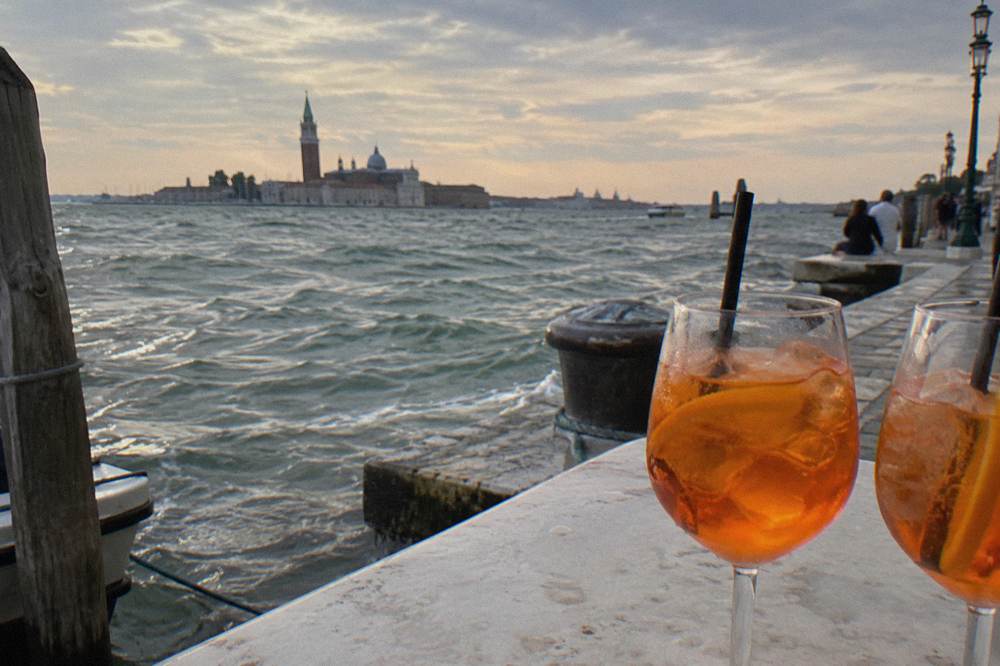
Two practical consequences. First, the bacaro habit of standing with an ombra is part of the culture and completely normal, but you stand at or just outside the bar with the bar's own arrangements, not wandering into a campo with the glass. Second, the rule is another quiet argument for the aperitivo-hour structure of an evening walk: the sitting and standing happen where they are permitted, and a guide handles the logistics. The evening side of Venetian eating is covered in the evening food walk and aperitivo hour guide.
A note on what the rule is not. It is not a general ban on drinking outdoors: a drink in an acceptable container, consumed in a permitted way, is a different matter from glass, and enforcement attention concentrates on the busiest evening squares rather than every quiet fondamenta. The wording to remember is the container and the sale, not the alcohol itself. If your plan involves a bottle for a picnic or a sunset drink, buy it where the seller can tell you what is allowed, or take it somewhere with tables.
Prices, Access And What Changed In 2026
No access fee applies to visiting Venice at present: the 2026 trial, which charged 5 or 10 euro on 60 selected days, ended, and as of 27 July 2026 day visitors need no payment or exemption. The fee returns in 2027 on listed dates between late March and mid-August, with amounts not yet published. Separately, a single vaporetto ticket costs a reported 9.50 euro, so a couple of rides a day adds up faster than most visitors expect.
The access fee is the item most worth getting right, because outdated advice still tells day-trippers to pay 5 euro or risk a fine. That was the trial that ran from April to July 2026; it is over. The official access fee page states that from 27 July 2026 the fee does not apply and no payment or exemption is needed to visit. For 2027, dates are already listed from late March through mid-August, but the amounts and arrangements will be announced by 31 December 2026, so anyone planning a spring 2027 day trip should re-check the official page after that date.
Vaporetto costs are the quieter budget item. A single 75-minute ticket is a reported 9.50 euro, a 24-hour pass around 25 euro, and children under 6 ride free, per the operator's current prices. Two singles a day for a family can outpace a pass quickly, so it is worth doing the arithmetic before boarding rather than after. The local side of Venice, including what locals actually pay for cicchetti and an ombra, around 1.50 to 4 euro a piece and 1 to 2.50 euro a glass respectively as reported, is covered in the official visitor site's cicchetti page.
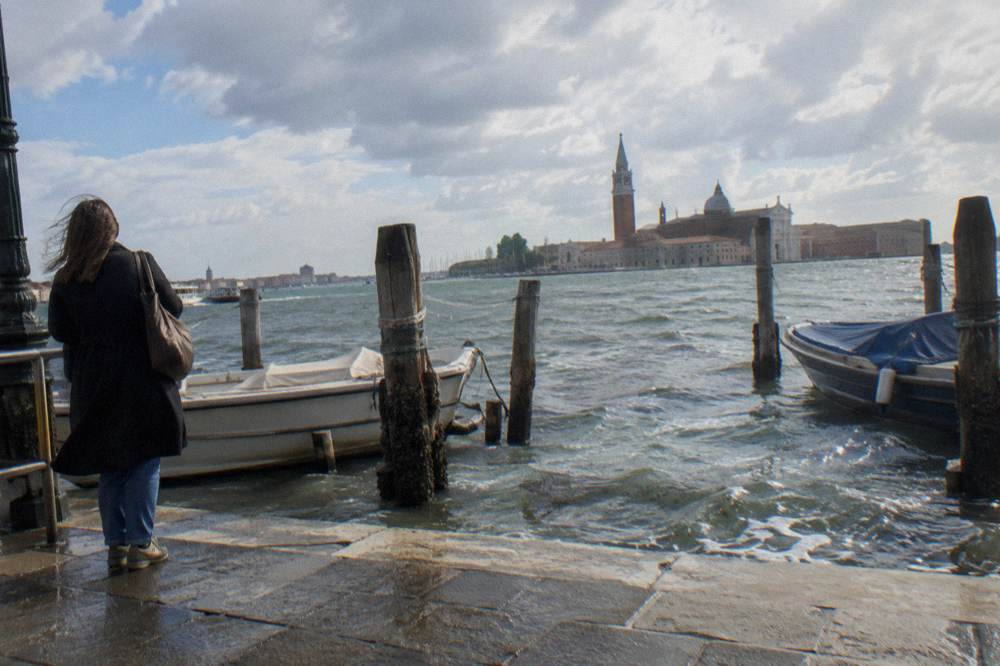
The fee landscape also matters for anyone weighing whether to stay overnight versus day-trip. Overnight visitors register through their accommodation and were never the fee's target; the tourist tax, a separate per-night charge of roughly 0.10 to 5 euro depending on the accommodation, is collected by where you stay, capped at five consecutive nights. Neither of these touches the price of a food walk, which is set by the operator and shown on the live listing.
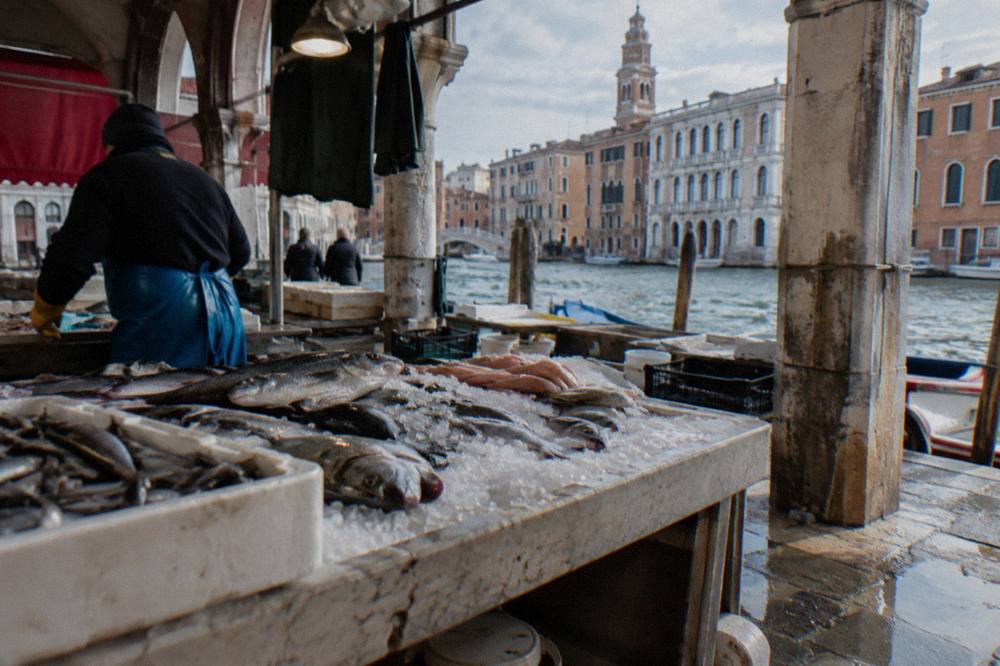
One more planning caution that fits here: opening hours in Venice bend around the day. The fish market closes by early afternoon even on open days, many bacari close for a mid-afternoon gap, and the lagoon islands run on ferry timetables rather than on demand. An itinerary that assumes continuous service from 10:00 to 22:00 will meet closed doors. Building your eating day around the market morning and the evening aperitivo, with a gap in between, is not just cheaper; it matches how the city actually operates.
Where A Guided Walk Removes The Guesswork
A guided tasting walk removes the main Venice cautions from a few hours of your trip at once: the stops are pre-chosen so no tourist menu is read, the standing and glass rules are handled where they are permitted, and a local guide routes around the worst crowding. It is not a safety product; it is a filter, and for visitors with limited time, that filter is the product.
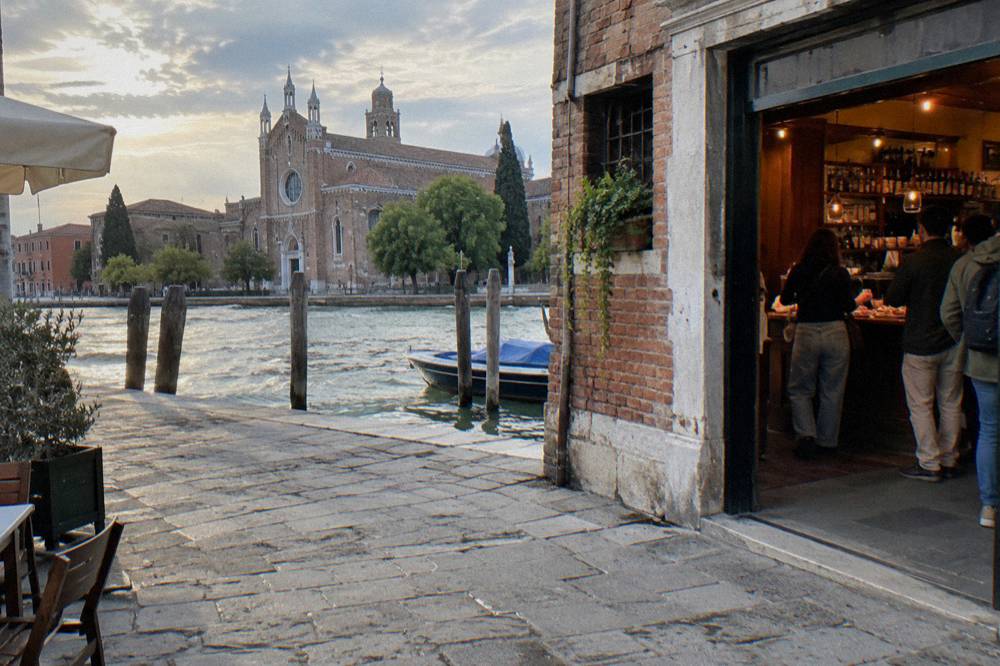
The featured pairing for this question is Eat Like a Local, a 3-hour small-group tasting tour that moves through Venetian bacari with a guide who knows each counter. Its tasting list, meeting point and current price sit on the operator's live listing rather than in secondhand summaries, which is where they should be checked. What the format itself provides is the part no caution list can: venues that survive on repeat local trade rather than passing footfall.
You can see the full tour details here and check availability when dates are close, since small-group walks fill ahead of peak weeks.
The same logic extends to the neighbourhoods. Cannaregio, where the Jewish Ghetto walk spends its four hours, holds a dense cluster of standing bars and old-school counters with far less of the churn you find near Rialto, and Dorsoduro's evening side works the same way. The neighborhood-by-neighborhood food guide maps which areas reward the ten-minute walk most.
Two habits carry the rest of the trip. Walk ten minutes off the main sight line before choosing a table, and read the posted menu standing up. Everything else in this article, the coperto, the glass rule, the market hours, is detail; those two habits are the whole defence. If you want the fuller picture of what to avoid and what to embrace, the do's and don'ts for Venice visitors covers the non-food side, and this site's Venice Food Tours collection covers the eating side, from market mornings to cooking classes.
Common Questions About Venice Cautions
What To Be Careful Of In Venice?
Be careful of tourist-menu pricing near major sights, the coperto cover charge on sit-down bills, peak-hour crowds and opportunistic petty theft in packed vaporetti, and the municipal ban on drinking from glass outside permitted seating, with reported fines of 25 to 500 euro. All are money and comfort issues rather than serious dangers, and all are avoidable with basic preparation.
Is The Coperto A Scam In Venice?
No. The coperto is a legal bread and cover charge, commonly around 1 to 5 euro per person where applied, and it must be disclosed on the menu. Standing at a bacaro counter usually avoids it. It is separate from any optional service line and from tipping, which remains discretionary.
Can You Drink Alcohol In The Street In Venice?
Not from glass. Venice bans consuming food and drinks from glass, ceramic or similar containers outside permitted outdoor seating, and bans takeaway sales of alcohol in glass for public consumption, with reported fines of 25 to 500 euro. Drink at a bar's counter or tables; check the comune's current regulation before your trip.
Do You Have To Pay The Venice Access Fee Now?
No. The 2026 trial ended, and as of 27 July 2026 no access fee applies and day visitors need no payment or exemption. The fee returns in 2027 on listed dates from late March to mid-August, with amounts and arrangements to be announced by 31 December 2026, so re-check the official page for spring 2027 trips.
Are There Any Safety Worries With Food In Venice?
Food safety itself is not a notable concern; the realistic worries are financial and logistical, from inflated tourist menus to arriving at the Rialto fish market on a day it is closed, since it shuts Sunday and Monday. A guided tasting walk with pre-chosen stops filters out most of these problems for a few hours.
How Do I Avoid Tourist Traps When Eating In Venice?
Walk ten minutes away from Rialto and St Mark's before choosing, read the posted menu standing before sitting down, prefer counters with visible price lists, and favour places where cicchetti run the reported 1.50 to 4 euro a piece. A small-group walk with a local guide applies the same filter for you.