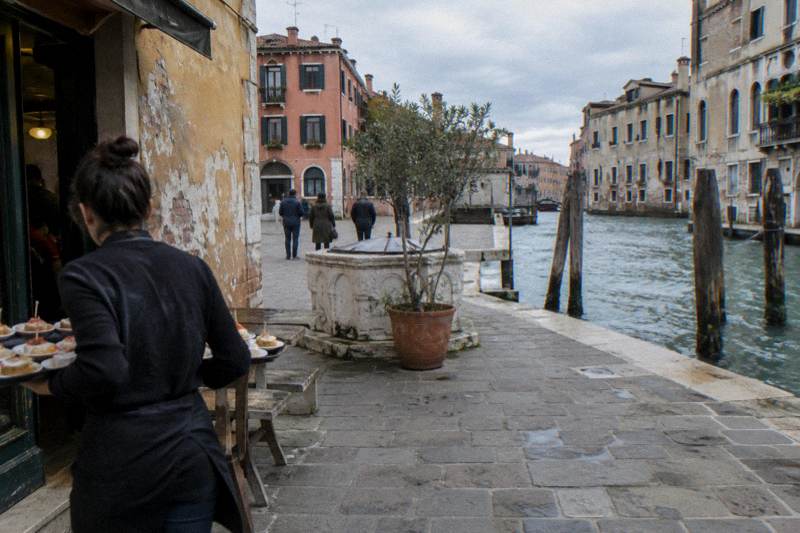
What Should I Not Miss In Venice?
A food-led answer to what should I not miss in Venice: the Rialto market at opening, a bacaro crawl, the Grand Canal by vaporetto, and how a guided tasting walk fits into a first trip.
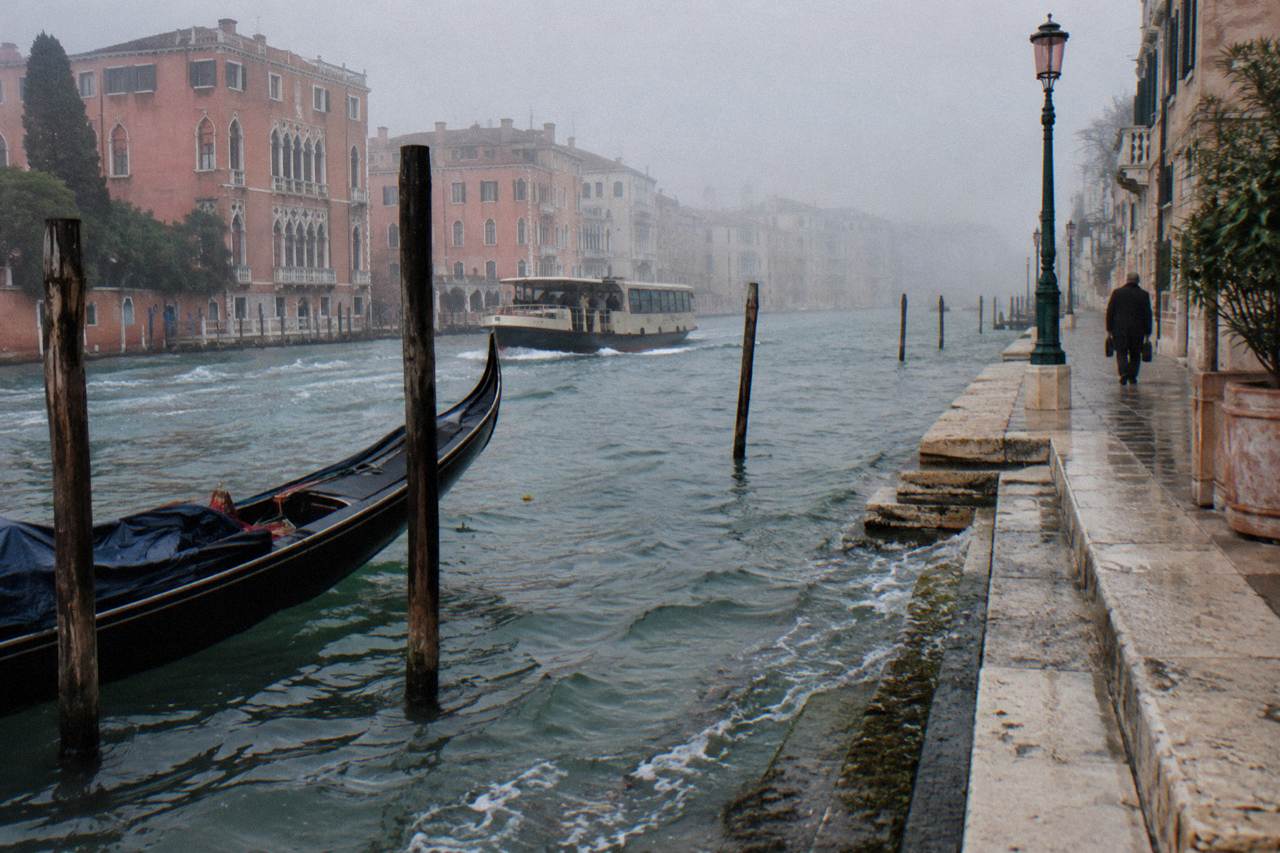
If the trip is short, do not miss four things: the Rialto market area in the morning, a crawl through two or three old bacari with a glass of house wine in each, the Grand Canal seen from a vaporetto rather than the shore, and one quiet sestiere walked slowly with no map. Everything else, museums included, is negotiable. Food sits at the center of three of those four, which is why this shortlist is food-led.
Venice rewards travelers who plan around meals instead of around monuments, and that is not a slogan. The city's historic center is small enough that a determined walker crosses it in under an hour, yet the difference between a forgettable visit and a memorable one is usually whether you were standing at a market stall at 8:00 or queuing for a viewpoint at 11:30. The fish and produce markets at Rialto run on their own clock, the bacari fill and empty in waves tied to the local aperitivo hours, and the best light on the canal happens twice a day whether you are there or not.
This page answers the question in the order a real day would unfold. A morning at Rialto, a midday crawl, an afternoon on the water, an evening walk. Woven through it is the practical option that solves the biggest first-timer problem, which is not knowing which doorway to walk into: a guided tasting walk puts the decisions in the hands of someone who lives with them. The three walks below are the ones that fit most neatly into a must-see itinerary, and they can be booked for the same days you are already spending in the historic center.
The Rialto Market At The Start Of The Day
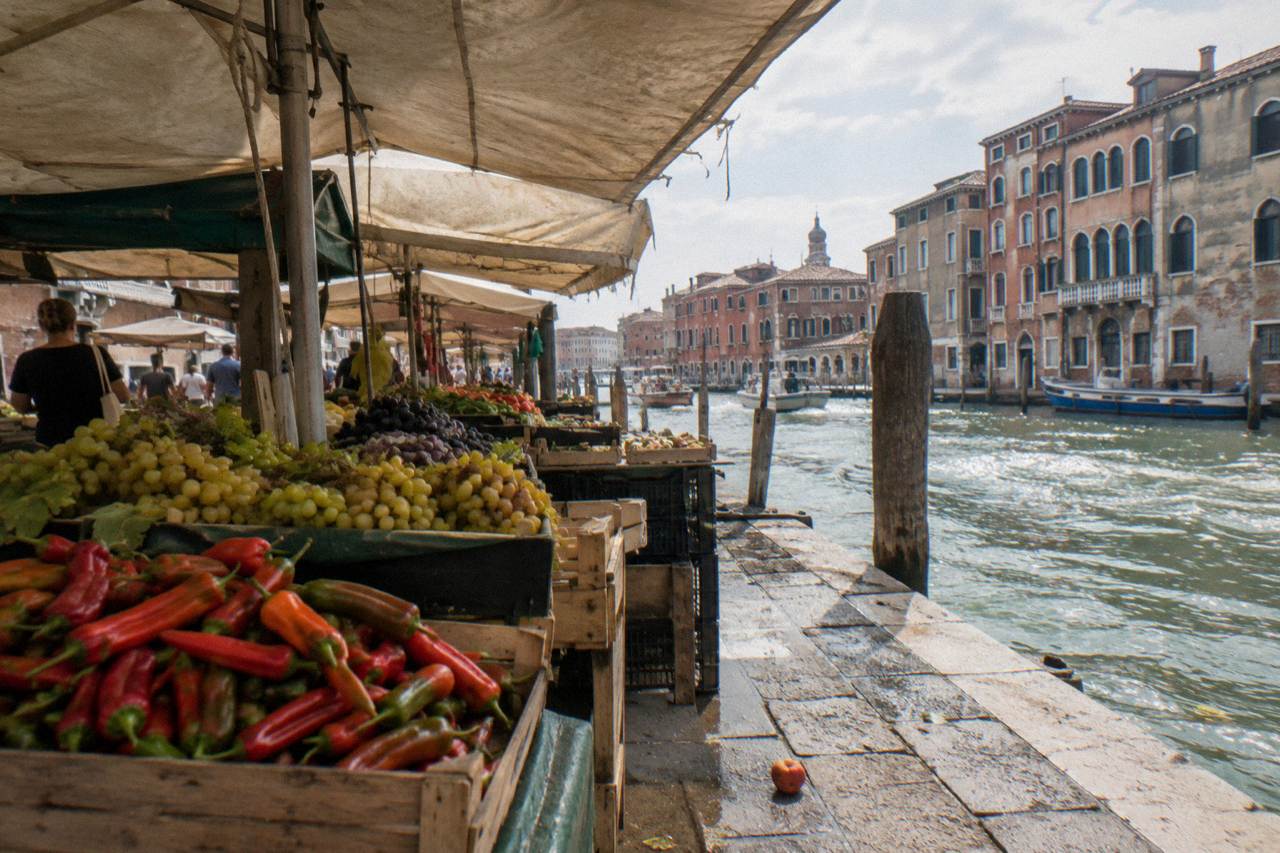
Rialto's produce market opens Monday to Saturday from 7:00 to 20:00, and the fish market runs Tuesday to Saturday from 7:00 to 14:00, both closed Sunday, with the fish market also closed Monday. Go between 8:00 and 10:00 on a weekday. That is when the crates are full, the fishmongers are still sharp with buyers, and the surrounding bars are serving the tradespeople rather than the tour groups.
The two markets sit a couple of lanes apart in San Polo. The Pescheria, the fish market, occupies the arcaded loggia at Campo de le Becarie, and it is the more theatrical of the two: lagoon catch laid on ice, swordfish and cuttlefish, the small gò that Burano turns into risotto, and the shellfish that ends up in spaghetti alle vongole all over the city. The Erbaria, the produce side, runs along the Casaria near Campo de la Pescheria, and in autumn it is radicchio, squash, small artichokes from the lagoon islands, and crates of produce barged in from the mainland and the island gardens of Sant'Erasmo.
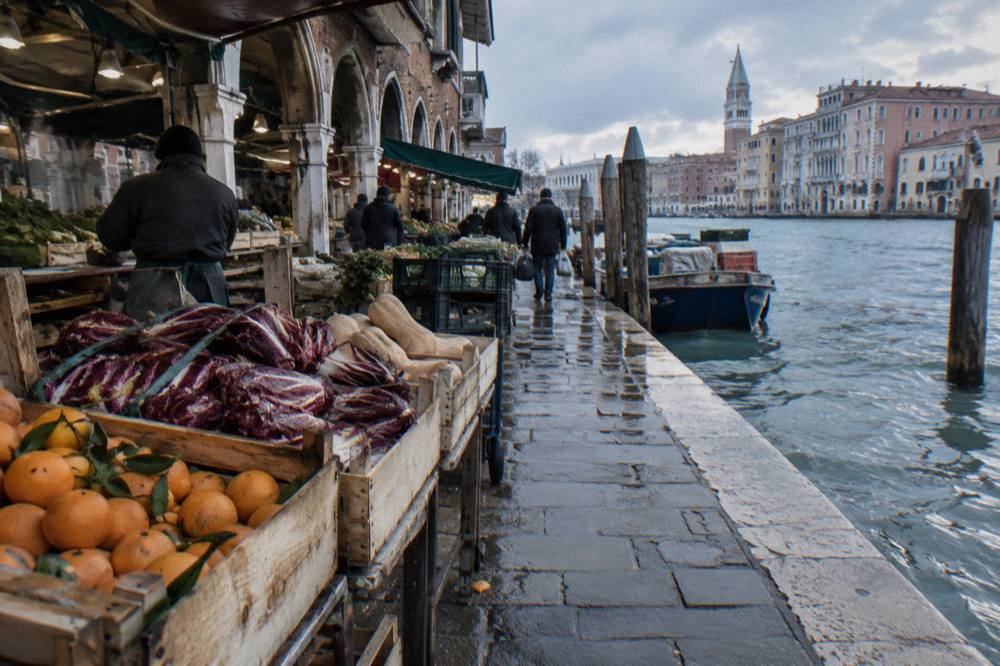
You do not buy anything. Browsing is free, the stalls are used to being photographed from a respectful distance, and the point is to see the machine that feeds the city's restaurants. What you should then do is eat where the market eats: the bars around Rialto open early and serve baccalà mantecato on polenta, tramezzini, and a small glass of wine to the people who work the stalls. Standing at the counter is the local way, it is also the cheaper way, since sitting at a table in this city often triggers a coperto, a cover charge commonly reported at around EUR 1 to 5 per person where it is applied. The charge must be disclosed on the menu, so glance down before you sit.
| Market | Days | Hours | What you see |
|---|---|---|---|
| Produce (Erbaria) | Monday to Saturday | 7:00 to 20:00 | Fruit, vegetables, island artichokes in season |
| Fish (Pescheria) | Tuesday to Saturday | 7:00 to 14:00 | Lagoon catch, shellfish, swordfish on ice |
Tour listings themselves warn that the fish market is closed Sundays, Mondays and Italian holidays, so if your trip includes a Monday, flip the plan and walk the produce side or head to Cannaregio that morning. A guided option exists that turns the market into the first course of a meal: the Rialto market food and wine lunchtime tour spends four hours moving from the stalls to tastings and a glass of wine, which is a clean way to convert a browse into lunch without doing the research yourself. For travelers who prefer to wander alone first, the reading order on this site runs deep on the subject: start with the Rialto market guide for visitors and the page on Rialto market hours and the best time to go.
A Bacaro Crawl Through The Back Calli
A bacaro crawl means visiting three or four traditional wine bars, eating one or two cicchetti in each while standing at the counter, and drinking a small glass of house wine called an ombra with each round. Reported prices run about EUR 1.50 to 4 per cicchetto and EUR 1 to 2.50 per ombra, so a four-bar crawl is a genuine dinner. It is the single most Venetian thing you can do with an evening.
“We would highly recommend this tour. Maria was very friendly, offered recommendations for local restaurants and provided information on the areas we visited which was interesting. The food was amazing and very filling and the drinks were lovely too. So much so we went back to some of the places throughout our visit.”
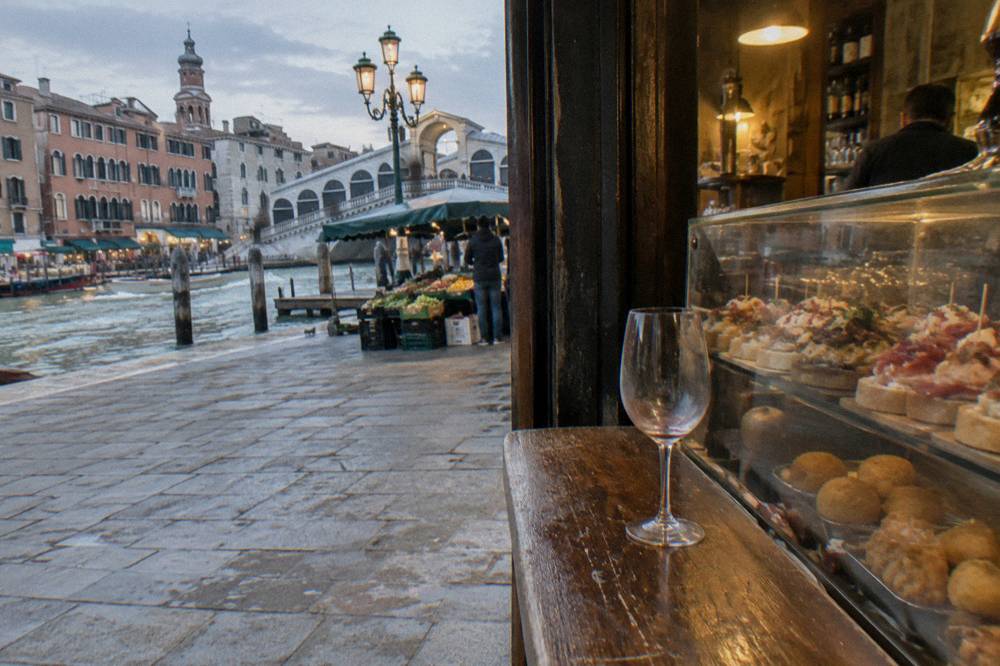
The bacaro is a small, often standing-only bar that opens early and serves whatever the kitchen made that day from metal trays on the counter. Baccalà mantecato whipped salt cod on polenta, sarde in saor, sweet and sour sardines with onion and raisins, fried moeche crabs in autumn, cuttlefish in its ink, and a rotating cast of crostini. You point, you pay, you eat where you stand, and then you move. There is no fixed city tariff; posted price lists apply, and each bar displays its own. In a city where a canal-side restaurant can quietly disappoint, the crawl is how Venetians have eaten for centuries, and it costs a fraction of a sit-down meal.
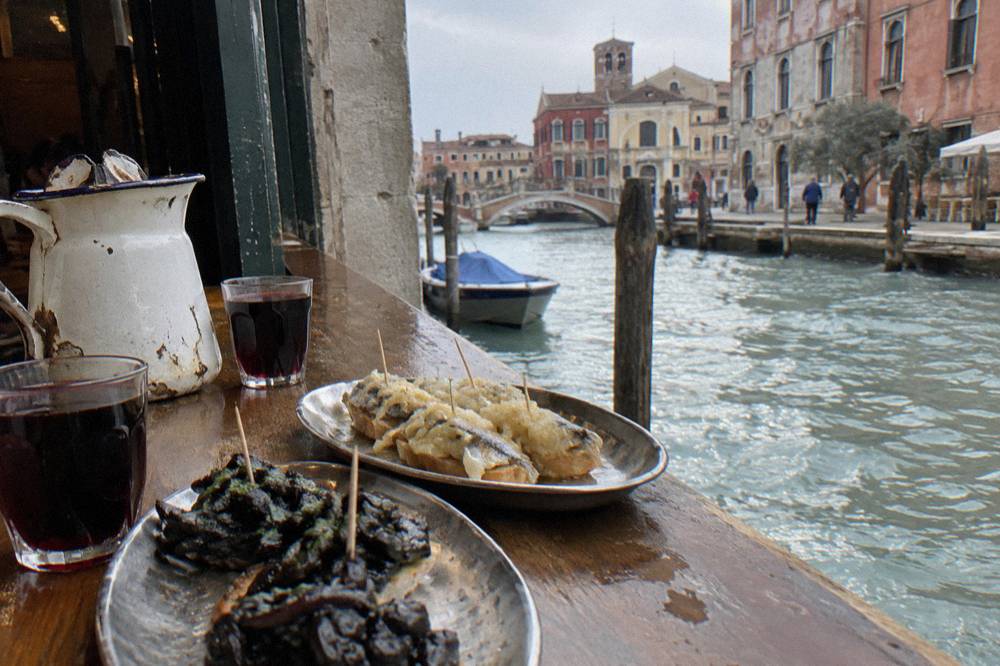
Do the crawl in one sestiere rather than zigzagging the city. Cannaregio and Dorsoduro are the classic grounds: Cannaregio around the Strada Nova's side lanes and the old Jewish Ghetto's edge, Dorsoduro around the Zattere and the squares near the Ca' Foscari university buildings, where the evening aperitivo crowd keeps prices honest. San Polo works too, especially if you started your day at Rialto and never really left the neighborhood. The etiquette is simple and worth knowing in advance, and this site covers it properly in the guide to bacari etiquette and the ombra ritual.
The mistake first-timers make is treating the crawl as a warm-up for a restaurant dinner afterwards. It is the dinner. Four bars, two pieces in each, a glass in each, and you have eaten eight small courses across four kitchens for what one canal-front risotto would have cost. If the idea of choosing the bars feels like homework, this is precisely the problem a guided walk solves, and the featured walk on this site is built for it.
Will You Miss The Food If You Only Do The Sights?
Yes, and specifically you will miss the part of Venice that still belongs to the people who live there. The basilica, the Doge's Palace and the Accademia are world-class, but they are consumed standing in lines next to other visitors. The bacari, the market and the evening spritz hour are consumed next to Venetians, and they need no ticket, no timeslot and no queue. A first trip that skips them sees a museum with water around it.
The practical argument is as strong as the cultural one. The sightseeing spine of Venice, from San Marco through the Rialto bridge to the station, is a 30 minute walk that every visitor does on day one. Everything memorable beyond it sits behind either a doorway or a ferry ride, and the doorways are exactly what a food walk opens. A guide who works the same bars every week walks you past the two tourist traps flanking the good one, tells you what the tray in front of you is, and orders in the local rhythm instead of the tourist one.
The featured walk here, the Eat Like a Local three-hour small-group food tasting tour, is the natural pairing for exactly this gap, and you can check availability for the days you already have. Its price and current rating are shown on the live listing rather than repeated here. For readers who want the fuller decision between formats, the site's comparison of which Venice food walk to book breaks the options down by length and style, and the piece on what a Venice food walk costs covers what the ticket normally includes.
The Grand Canal From The Water
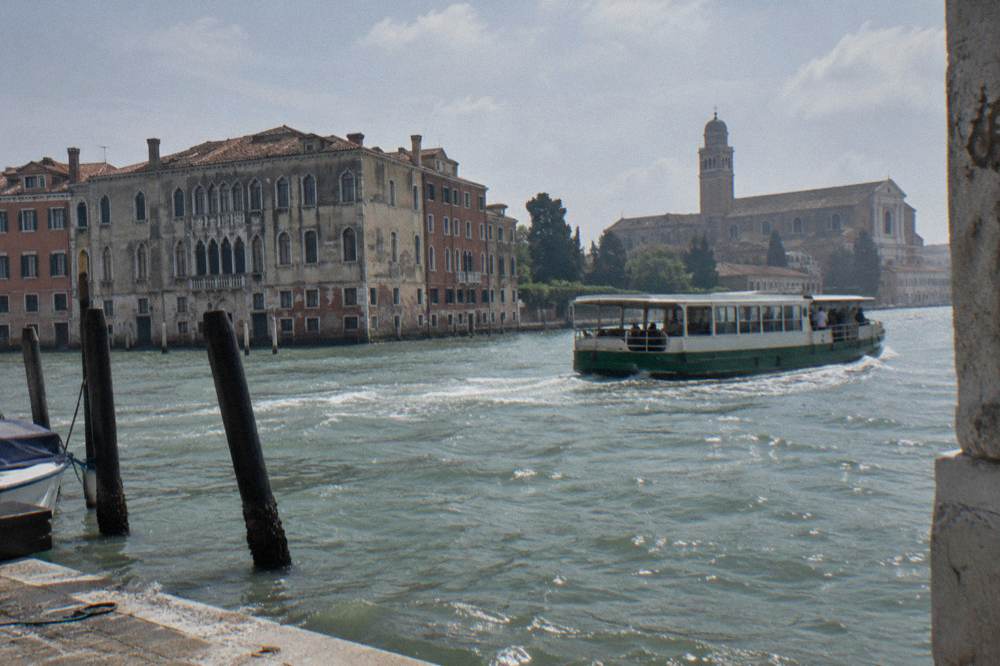
Ride the length of the Grand Canal on a public vaporetto at least once, ideally line 1, and ideally around sunset. A single 75 minute ticket is reported at EUR 9.50 and a 24 hour pass at EUR 25, and the pass pays for itself in three rides, which a normal Venice day easily supplies. This is the cheapest world-class boat tour in Europe and most visitors overthink it into a EUR 80 alternative.
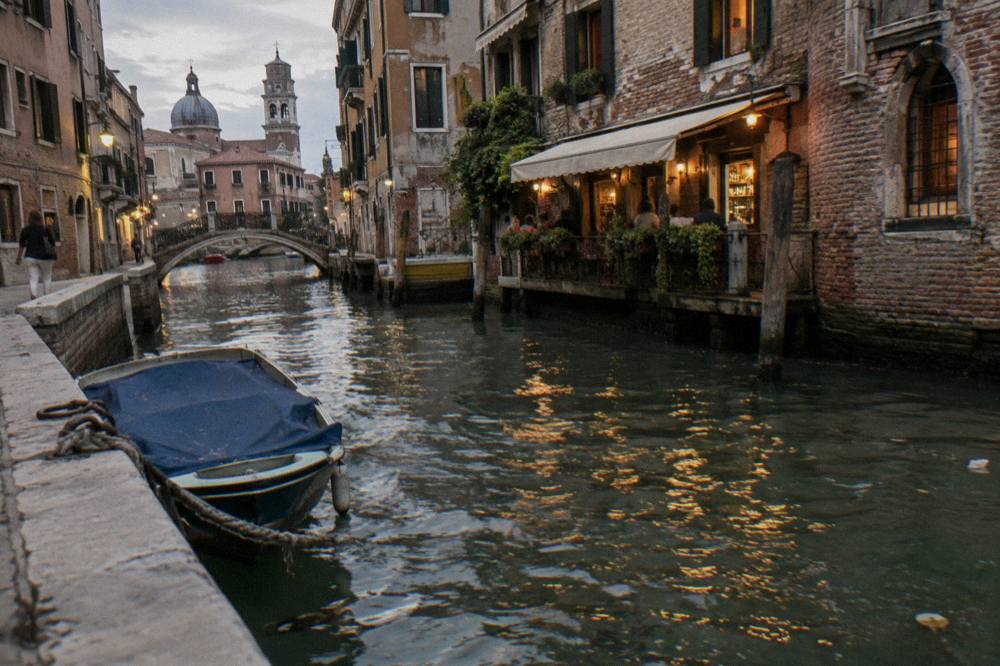
Sit or stand at the front if you can, take the left side going toward San Marco, and let the palazzi slide past: three kilometers of merchant houses built to be seen from the water, which is the only angle their architects ever designed for. A gondola is beautiful and a legitimate splurge, but the canal's full sweep is best read from the low deck of a public boat, unhurried and repetitive in the way the city itself is. The sunset run also happens to deposit you at the right end of town at aperitivo hour, which closes the loop the day opened. The full index of guides sits on Venice Food Tours.
The pass logic deserves a sentence of arithmetic, reported plainly: the single ticket is around EUR 9.50, the 24 hour pass around EUR 25, and children under 6 ride free. If you are doing the canal, crossing to Dorsoduro, and hopping a ferry the same day, the pass is already ahead. Fares can change, so check the operator's current page before you travel.
One rule matters if your aperitivo travels with you: Venice prohibits drinking from glass containers outside permitted outdoor seating, and bans takeaway sales of drinks in glass for public consumption, with reported fines from EUR 25 to 500 under the municipal regulation. Have your spritz at the bar, at the counter, or in the seating area, not on the bridge with the view. The view keeps anyway.
Sweet Stops: Pastries, Chocolate And Gelato
Do not leave Venice without one pastry stop and one gelato stop, and ideally a chocolate one between them. The city's sweet tradition runs from baicoli, the dry little ship's biscuits historically dipped in sweet wine, to fritole, the fried fritters that own carnival season, to the bussolà butter biscuits that Burano bakers still make in ring and S shapes. Two hours of walking covers all of it comfortably.
The sweet shops cluster where you already are. Around Rialto and San Polo the old pastry counters open with the morning coffee crowd, and a standing espresso plus a pastry is the authentic Venetian breakfast, a fact this site covers in detail in the piece on a typical breakfast in Venice. By afternoon the gelaterie take over, and in Dorsoduro and Cannaregio the good ones display unscoopably stiff trays rather than whipped mountains. The tradition itself, including the bussolà and the fritole, has its own guide in Venetian sweets and pastries.
There is a guided shortcut for travelers who would rather not map the counters themselves: a two-hour sweet stroll that moves through pastries, chocolate and gelato with a guide doing the choosing. It suits families and anyone whose trip is short enough that a wrong gelato feels like a lost hour. Its price and rating sit on the live listing.
The sweet walk also works as the tail end of a market-and-crawl day. Rialto in the morning, a crawl at lunch, the canal crossing in the late afternoon, sweets in Cannaregio before dinner, and the day has covered more of the city's real life than a week of museum lines.
Islands, Quiet Sestieri And The Second Day
If you have a second or third day, spend one of them on the lagoon islands, Burano above all, and spend another in a quiet sestiere with no plan at all. Burano gives you painted houses, the bussolà biscuits and a risotto tradition built on lagoon fish. The quiet districts, Cannaregio's far west and Castello's eastern edge, give you the Venice that postcards leave out.
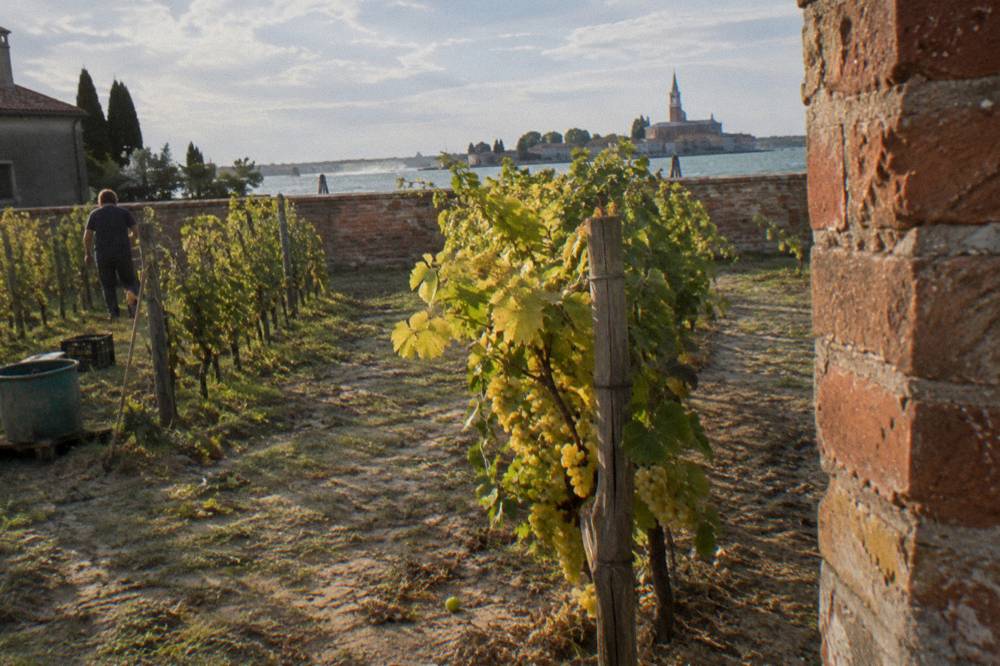
Burano is reached on line 12 from Fondamente Nove, which runs via Murano with daytime intervals of around 20 minutes at peak times, reported by the network timetables. The island's food identity is specific: the butter-rich bussolà, tied to its fishing history, and risotto di gò, a goby-fish risotto the island treats as its own. Mazzorbo next door holds the walled Venissa vineyard, the only hectare in the world of the revived Dorona grape, with tastings available and a Michelin-starred restaurant on site that closes Tuesdays and Wednesdays, so check before you build a day around it. This site walks the whole route in the Burano and Murano day trip with food stops.
Back in the city, the quiet walk is the one thing on this list that cannot be booked or ticketed. Castello east of the Arsenale, the far end of Cannaregio toward Sacca Fiume, and the Giudecca lanes behind the grand hotels are where laundry still crosses the calli and the bars have no menus in English. Pick one, walk until the crowds thin, and take the next bacaro you like the look of. The neighborhood guide on this site, Venice food by neighborhood, tells you what each district's counters are known for before you choose.
Guided groups in the historic center and on the islands are capped at 25 people, a standing rule reported as ongoing since 2024, and loudspeakers are banned, which is why guides work with headsets. It rarely affects a solo traveler, but it explains why the food walks on this site keep their group sizes modest and why a private option exists for travelers who want the guide to themselves.
How A Guided Food Walk Fits Into A Short Trip
A guided tasting walk earns its slot on trips of two days or less, because it compresses the market, the bacari and the ordering culture into a single three hour block with no research and no wrong turns. On trips of four days or more, take one walk early in the visit, then repeat the bars you liked on your own. The walk is the lesson, the solo crawl is the exam.
The featured walk, Eat Like a Local, runs three hours in a small group and covers a cross-section of the city's standing food culture; its meeting point, inclusions and current price are all stated on the live listing, so check there before locking your itinerary. The pairing logic matters more than the individual tour. A must-see trip spends its mornings on sights, and an evening walk turns the sightseeing day into a full day without adding a second research project. Travelers deciding between a walk and a cooking class have that trade-off laid out in food walk or cooking class in Venice.
| Format | Time | Best for | Where the details live |
|---|---|---|---|
| Small-group tasting walk | 3 hours | First visit, evenings | On the live listing |
| Market and lunch tour | 4 hours | Market mornings | On the live listing |
| Street food walk | 2.5 hours | Short trips, casual eaters | On the live listing |
For travelers who want the compact version of the crawl itself, a two-hour, ten-tasting cicchetti walk also runs in the historic center, with its price and rating shown on the listing.
Dietary needs deserve a note here. Unless a listing explicitly states vegetarian, vegan, gluten-free or kosher options, assume it does not say, and message the operator before booking. Venetian counter food leans heavily on fish, bread and fried items, and the good operators can often adapt a route when they know in advance.
Practical Rules That Shape A Venice Day
No access fee applies to day visitors as of 27 July 2026, when the 2026 trial ended, and no payment or exemption is needed to visit now. The fee is listed to return in 2027 on published dates from late March through mid August, with amounts not yet announced. Guided groups are capped at 25, glass drinking on the street is banned, and the tourist tax runs around EUR 0.10 to 5 per night depending on the accommodation.
The access fee detail matters because stale advice still circulates. The 2026 trial applied on 60 days between April and July, at EUR 5 or 10 depending on when you paid, and it is over; the official page states plainly that visiting now needs no payment and no exemption. For 2027 the dates are already listed, from 26 to 29 March and running through 13 to 15 August, but the amounts and arrangements will be announced by 31 December 2026, so anyone traveling next year should check the official page rather than trust a number printed anywhere today. The rule never applied to the lagoon islands, so a Burano day needs no thought on this front at all.
The rest of the rulebook is short. Coperto, where applied, is commonly reported at EUR 1 to 5 a head and must appear on the menu. Vaporetto fares as reported sit at EUR 9.50 for a single and EUR 25 for a 24 hour pass, children under 6 free. Tipping is optional and rarely expected when standing at a counter; rounding up is the local ceiling. And the glass rule bears repeating because it catches otherwise careful travelers: finish the drink where you bought it.
None of this makes Venice difficult. It makes it legible, and once you can read it, the shortlist at the top of this page is genuinely all you need. The market in the morning, the crawl at midday, the canal at sunset, one quiet walk and one island, and a guided walk on the first evening to teach you the bars. The basilica can wait for the next trip.
Common Questions About What Not To Miss In Venice
What Should I Not Miss In Venice?
The Rialto market in the morning, a bacaro crawl with cicchetti and an ombra in each bar, the Grand Canal from a vaporetto at sunset, a quiet sestiere walked without a map, and Burano if you have a second day. Food sits at the center of most of these, so a guided tasting walk on day one is an efficient way to cover the edible half.
Is The Rialto Market Worth Visiting If I Am Not Buying Anything?
Yes. The fish and produce markets are working markets and browsing is free; the point is seeing the supply chain that feeds every restaurant in the city. Go on a weekday between 8:00 and 10:00, and remember the fish market closes Sunday and Monday while the produce market closes only Sunday.
How Much Does A Bacaro Crawl Cost?
Reported prices run about EUR 1.50 to 4 per cicchetto and EUR 1 to 2.50 per small glass of house wine. A crawl of four bars with two pieces and a glass in each lands in the range of a modest dinner, and standing at the counter avoids the coperto cover charge that tables can carry.
Do I Need To Pay The Venice Access Fee?
No. The 2026 trial ended on 27 July 2026 and no fee, payment or exemption applies to visits now. The fee is listed to return in 2027 on published dates, but the amounts have not been announced, so check the official page before a 2027 trip.
Is A Food Tour Worth It On A Short Trip?
On trips of two days or less, a three hour guided walk compresses the market culture, the bacari and the ordering etiquette into one block with no wrong turns, and its price and inclusions are stated on the live listing. On longer trips, take the walk early and revisit the bars you liked on your own.
Which Venice Island Should I See If I Only Have Time For One?
Burano. It combines the painted houses, the bussolà butter biscuits and a distinct risotto tradition, and it is reached on line 12 from Fondamente Nove with daytime intervals of around 20 minutes at peak times. Mazzorbo's Venissa vineyard is a short walk from the Burano vaporetto stop if a tasting fits the day.