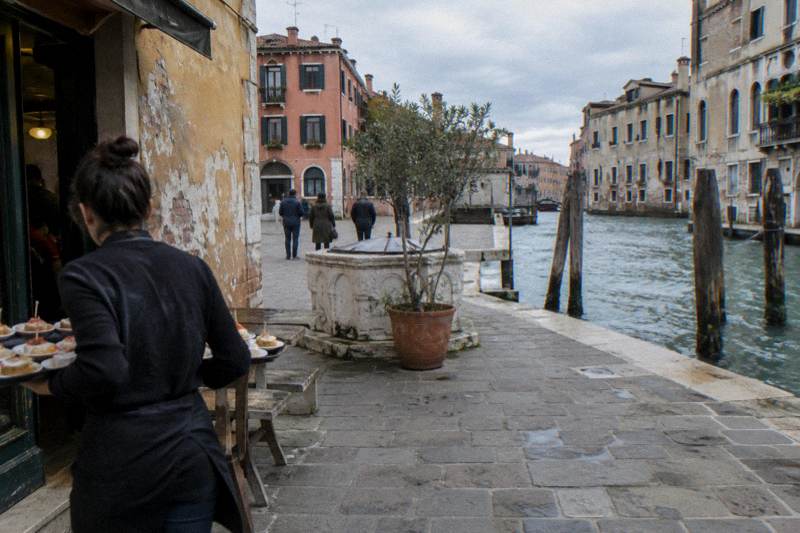
Food Walk Or Cooking Class In Venice: Which To Book
The choice between eating your way across Venice and learning to cook its dishes shapes your whole day: one is a moving meal through bacari and markets, the other is a hands-on kitchen session that ends with what you made.
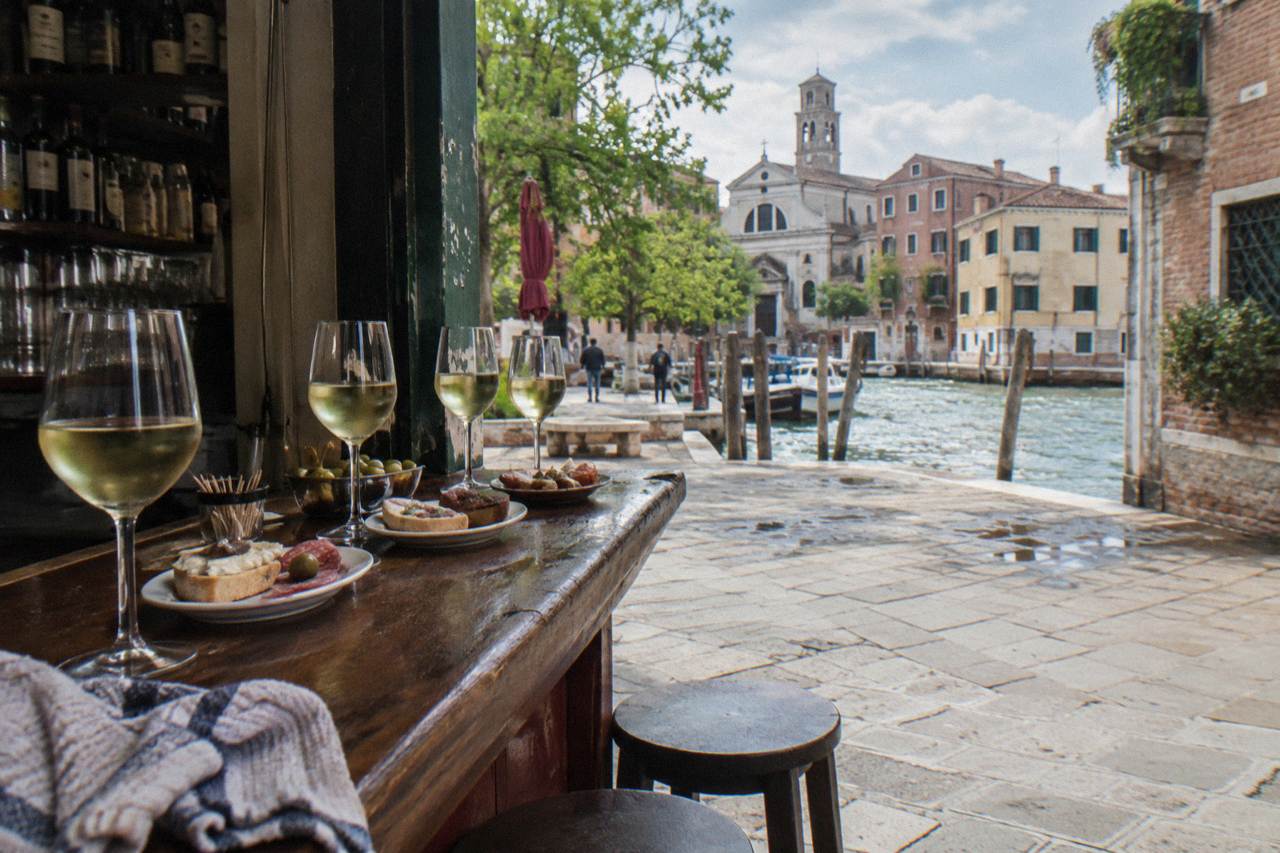
Short answer
A food walk in Venice runs about 2 to 4 hours, moves between bacari and markets, and suits first-time visitors who want dishes explained while they eat. A cooking class runs about 2 to 4 hours, sits still in one kitchen, and suits travelers who want to leave with a recipe. Costs are on each live listing.
Venice gives you two very different ways to eat well with a guide. One puts you on your feet, moving from bacaro to market stall to square, tasting as you go. The other puts you at a counter with flour, eggs and a rolling pin, and feeds you the result. Both formats appear all over the city's booking pages, both cost roughly a morning or an afternoon, and the two experiences barely resemble each other. This guide lays out the real differences in time, effort, structure and what you walk away with, using the listed durations and inclusions of the actual tours compared on Venice Food Tours, so the decision becomes obvious before you reach the checkout page.
The short version: if this is a first visit and you want the city explained through its food, book the walk. If you have already fallen for Venetian cooking, or you are traveling with children who need something to do with their hands, book the class. If you cannot decide, there is a third format, the market tour plus kitchen session, that genuinely splits the difference.
How Do A Food Walk And A Cooking Class Actually Differ?
A food walk is a moving meal: a guided route between bacari, market stalls and squares, typically 2 to 4 hours long, where tastings happen standing or at counters as the story of the city unfolds. A cooking class is the opposite shape: you stay in one kitchen for roughly 2 to 4 hours, and the eating happens at the end, as the payoff for the work.
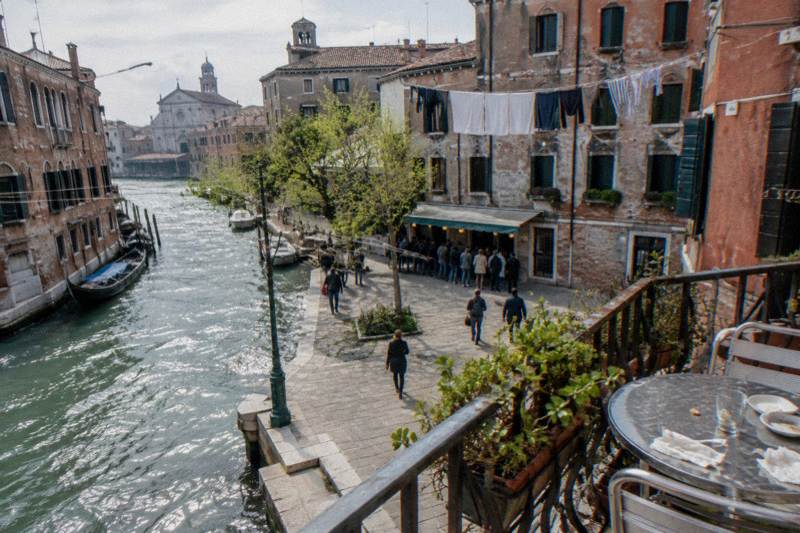
The walk is about breadth. The longest walks compared here run 3 hours 30 minutes, such as the Venice Bacaro Food Tour: Eat and Drink like a Venetian and the Venice Food Tour with 6+ Tastings with Cicchetti, Spritz & More, and in that window you might cross two or three neighborhoods, stop at several bars, and taste a dozen small things. The shortest, the Bacaro Tour Unblended, compresses the same idea into 2 hours. Nothing requires effort from you beyond walking, standing and listening. Your guide carries the context: which fish is in season, why an ombra is called an ombra, which order the locals drink in.
The class is about depth. The Venice Pasta & Tiramisu Cooking Class with wine by Cooking Italy runs 3 hours; the Market Tour and Cooking Class with a Venetian Sailor runs 3 hours; the Authentic Venice Home Cooking Class runs 3 hours 30 minutes. In every case the format inverts: one venue, one table, one extended session where you produce the food yourself. You leave with a technique rather than a map. That difference, breadth versus depth, sightseeing versus skill, is the entire decision, and everything else in this guide is detail.
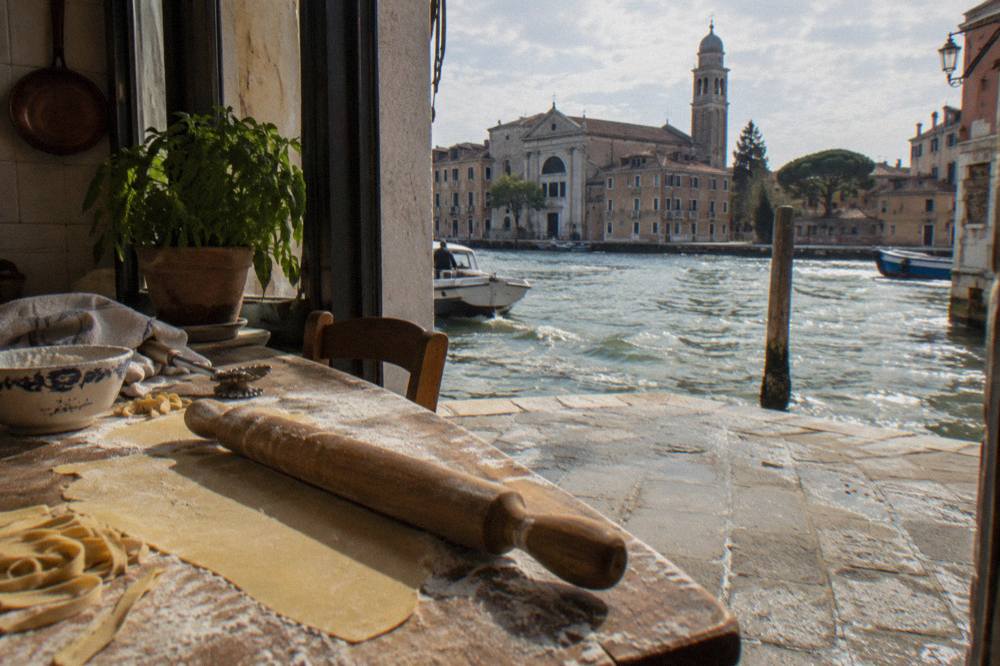
There is also a hybrid worth naming early. Several cooking classes begin at a market, the Venice: Rialto Market Tour, Cooking Class, and Lunch among them at 4 hours, and the Market Tour and Cooking Class with a Local Venetian Chef likewise at 4 hours. You shop first, cook second. These longest-format options answer the classic objection to classes, that you miss the city, by building the walk in.
What Does Each Format Cost And How Long Does It Take?
Across the formats compared here, food walks run from 1 hour (a lagoon aperitif) to 4 hours (a market-based lunch tour), while cooking classes cluster tightly around 2.5 to 4 hours. Prices vary by date and group size on every live listing, so treat the operator's booking page as the source for the number rather than any figure quoted second-hand.
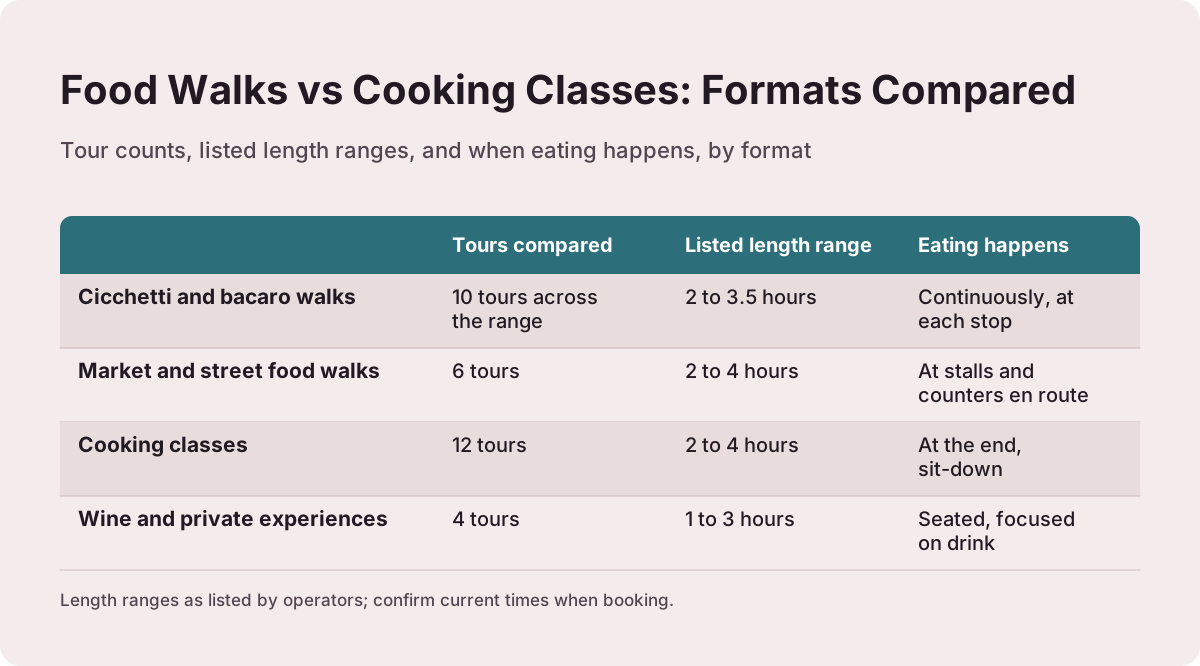
What the duration spread actually looks like, drawn from the listed lengths of each tour:
| Format | Tours compared | Listed length range | Eating happens |
|---|---|---|---|
| Cicchetti and bacaro walks | 10 tours across the range | 2 to 3.5 hours | Continuously, at each stop |
| Market and street food walks | 6 tours | 2 to 4 hours | At stalls and counters en route |
| Cooking classes | 12 tours | 2 to 4 hours | At the end, sit-down |
| Wine and private experiences | 4 tours | 1 to 3 hours | Seated, focused on drink |
Two structural cost notes matter more than any single price. First, walks and classes bundle differently: walks advertise their tasting counts in the title, such as the Eat Drink Repeat tour's 10 tastings and 6 wines, while classes bundle the meal you cook plus, on many listings, wine. Second, class pricing often varies by group size, and private options such as the Venice: Pasta & Tiramisu Private Class by Cesarine are priced differently again on their booking pages. Check the listed price basis before comparing, because a per-person from-price on a class is not the same animal as a per-person from-price on a walking tour.
The small-group tasting tour is the walking format at its most flexible. The pasta and tiramisu class is the kitchen format at its most accessible. The Rialto market lunchtime tour is the bridge: 4 hours, market first, table second. If your dates are firm and you want one of each, book the walk early in the stay and the class later, so the walk can teach you what to cook.
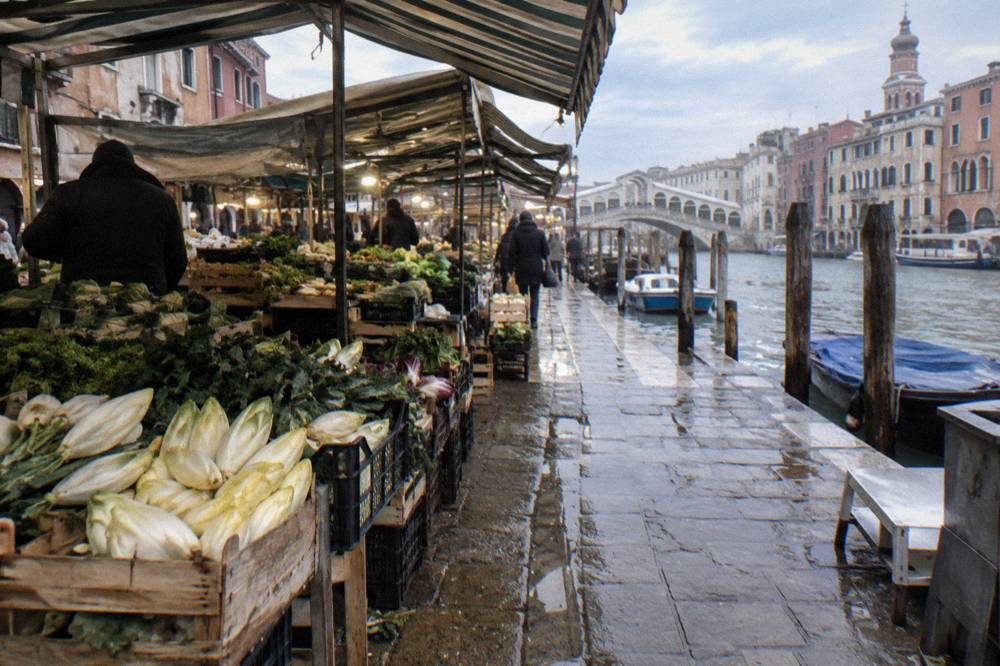
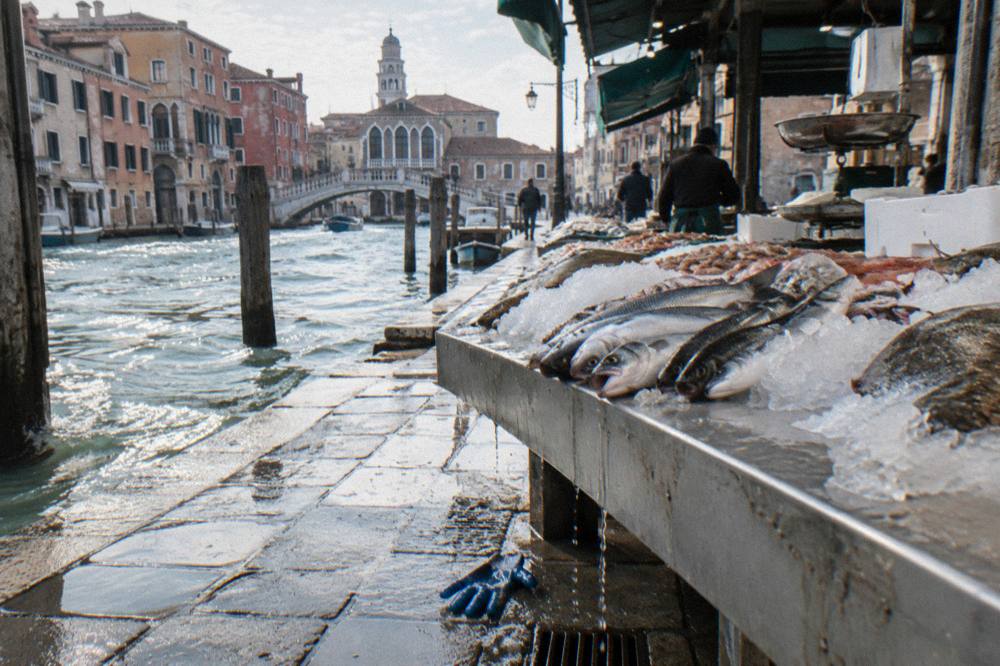
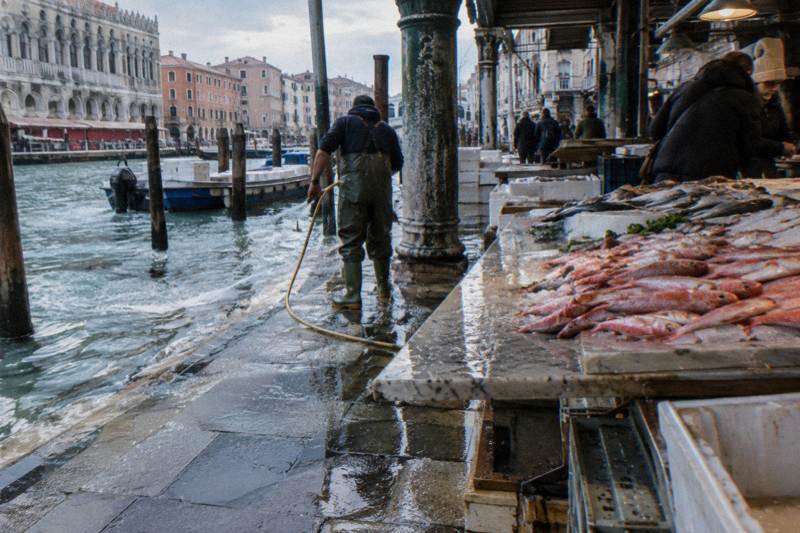
The Rialto timing detail affects both formats. The produce market runs Monday to Saturday, 7:00 to 20:00, closed Sunday, and the fish market runs Tuesday to Saturday, 7:00 to 14:00, closed Sunday and Monday, per the official Venezia Unica market listing. Tour listings themselves warn that the fish market is closed Sundays, Mondays and Italian holidays. If a market walk or market-plus-class is on your list, those days constrain which date you pick.
Which Format Fits Which Traveler Type?
First-time visitors, solo travelers and anyone on a tight schedule should book a walk: it doubles as sightseeing. Families with children, repeat visitors, couples wanting a shared activity and anyone who cooks at home should book a class. Travelers with mobility limits should note that walks cover real distance on bridges and stone, while a class happens around one table.
“Our host and culinary chef Carolyn was absolutely wonderful. We were welcomed into her beautiful family home - learning the history and skill of Italian cooking. Highly recommend Carolyn's class to anyone interested in taking your cooking skills to a higher level.”
The fit is less about food passion than about energy and pace. A walk asks for 2 to 4 hours on your feet, often with standing counters rather than chairs. A class asks for attention and hands-on participation, which makes it the better container for children: kneading dough holds a nine-year-old's interest longer than a lecture on the spice trade. The reverse applies to teenagers and adults who want photographs and stories, who will get more from a route that passes through squares and along canals.
| If you are... | Book this | Why |
|---|---|---|
| First visit, 2 days or less | A cicchetti walk, 2 to 3 hours | Tasting and sightseeing in one block |
| Traveling with children | A pasta and gelato class | Hands keep busy, everyone eats the result |
| Repeat visitor | A cooking class or wine tasting | New angle on a known city |
| Keen home cook | A market-plus-class, 4 hours | Shop and cook the full chain |
| Short on time | A 1-hour Prosecco and wine tasting | The formats compressed to an hour |
| Wanting a full dinner | The evening walk with sit-down dinner | Walk, then a seated meal |
Dietary needs cut across both formats, and neither reliably solves them. No listing compared here is described as vegetarian, vegan or gluten-free; where the listing does not say, the honest instruction is to message the operator before booking rather than assume. The same applies to allergies, which a moving walk between shared counters handles less gracefully than a single kitchen where the cook knows your name.
What Does A Guided Food Walk Look Like Hour By Hour?
A typical cicchetti walk opens at a central meeting point, visits a first bacaro within twenty minutes, then alternates short walking stretches with standing tastings, ending near a square or market roughly 2 to 3.5 hours later. Most of the calories arrive in the first two stops, and most of the history arrives between them.
The shape is consistent across the walking options compared here even when the length varies. The Eat Drink Repeat tour, 2.5 to 3 hours, promises 10 tastings and 6 wines in its title, which implies a pace of a tasting stop roughly every fifteen minutes once walking time is subtracted. The 2-hour Bacaro Tour Unblended runs the same skeleton compressed. The evening variant, the Venice Evening Food Tour with Bites, Drinks and Sit-Down Dinner, changes the ending: the walking and tasting phase hands off to a seated dinner, which suits travelers who want the walk to be their evening's whole plan rather than a preamble.
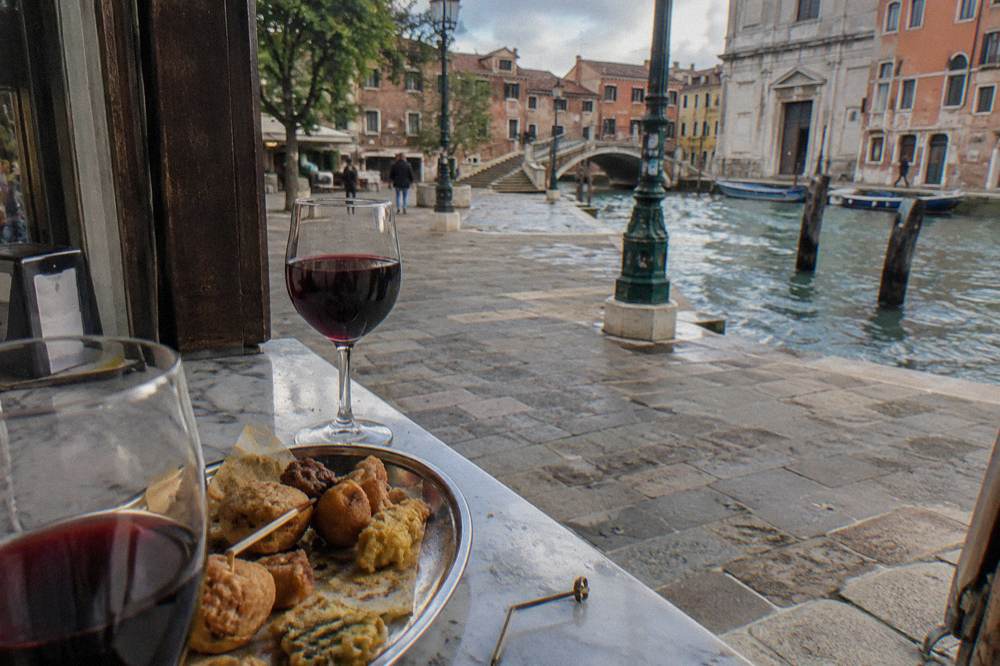
What you learn on a walk is context you cannot get from a menu. Guides explain the bacaro ritual itself, the ombra of house wine that goes with it, and where each dish sits in the Venetian day. The companion guide on this site, how a bacaro crawl works, covers the mechanics, and the guide to ordering cicchetti covers the counter etiquette, but on a walk the guide performs all of it live. For travelers who find independent bar-hopping intimidating, and many do, the walk removes every point of friction: ordering, paying, knowing what things cost.
Among the walking options, the one that consistently anchors this comparison is the Eat Like a Local small-group tasting tour, a 3-hour small-group walk in the classic format. Its price and current rating sit on its live listing rather than in any fixed figure here. It is the style of tour this article's advice defaults to for first-timers.
A second walking flavor deserves a sentence before we leave the format. The Venice Jewish Ghetto and Cannaregio Food Tour with Wine, 4 hours, pairs the tastings with a neighborhood history most short visits skip entirely, and the sweet-toothed variant, A Sweet Stroll Through Venice: Pastries, Chocolate, and Gelato, runs 2 hours and swaps bacari for pastry shops. The walk category is wider than wine-and-cicchetti, and matching its sub-flavors to your appetite is half the fun of choosing.
What Happens In A Venice Cooking Class?
A typical Venice cooking class runs about 3 hours: a demonstration or hands-on pasta session first, tiramisu assembly second, then a sit-down meal of everything you made, usually with wine poured. The 2 to 2.5-hour express versions trim the meal; the 4-hour versions bolt a market visit onto the front.
Fresh reporting on Venetian cooking classes puts the typical pasta-and-tiramisu session at 3 hours, with shared class sizes commonly capped around 12 guests and per-person prices for shared classes on this roster running from $57 to $154, while shorter express formats have appeared around $73. Those are reported market figures, not the price of any specific listing here; every tour's own booking page is the number that counts.
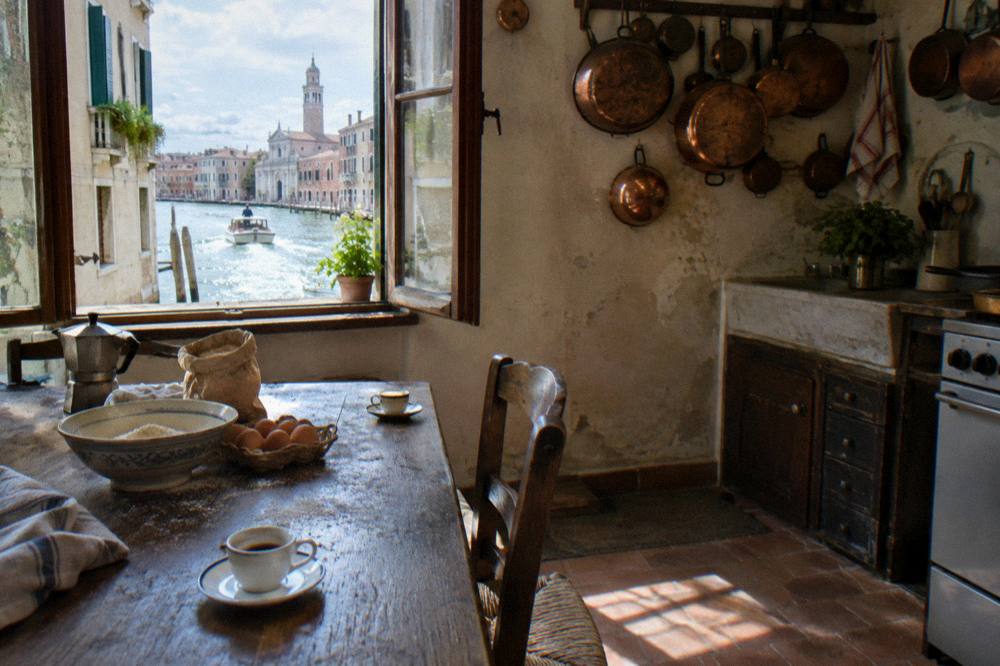
The class catalog compared on this site matches that shape closely. Twelve cooking-class listings run between 2 and 4 hours, and the pasta-plus-tiramisu pairing dominates: the Cooking Italy class at 3 hours, the Cesarine private class at 3 hours, the near St Mark's Square class at 3 hours, the locals' home class at 2 to 3 hours. The outliers are instructive. The 2.5-hour Venezia: Award-Winning Chef's class sells the instructor's pedigree. The 4-hour Yummy Cooking Class and the two 4-hour market-plus-kitchen formats sell time and the full shop-to-table chain.
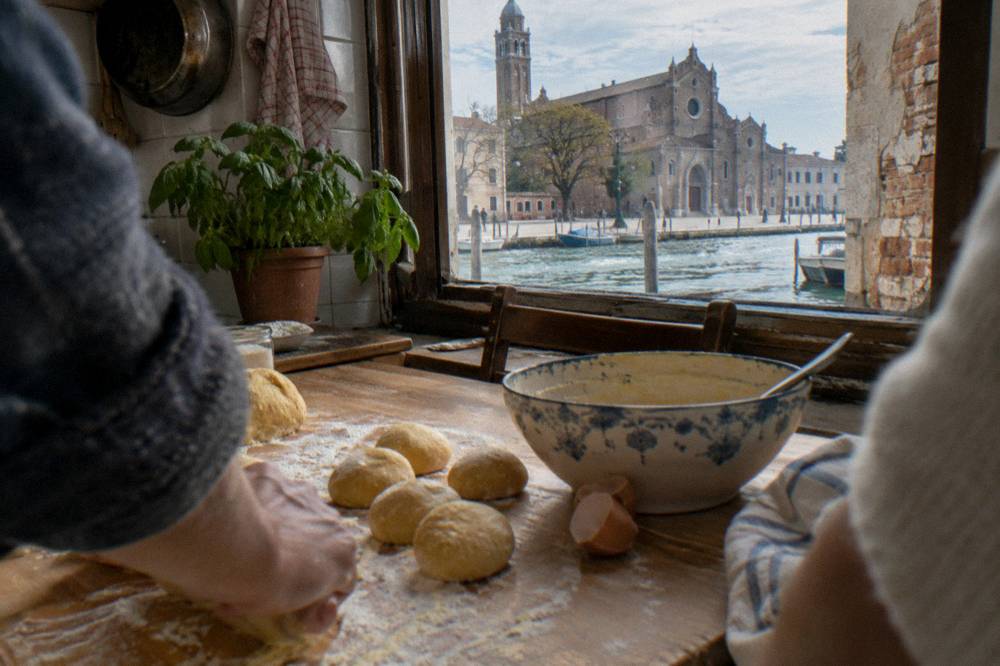
For the comparison shopper, the pasta and tiramisu class by Cooking Italy is the format's cleanest example: 3 hours, wine in the title, the two flagship dishes, no market preamble to pad the time. Its price, rating and current availability are on its live listing. Travelers deciding between it and a walk should ask one question: do you want to eat Venice tonight, or cook it again next month at home?
What a class teaches that a walk cannot is technique that travels. Tagliatelle, ravioli, tiramisu layering: these survive the flight home in a way a bacaro's fried baccalà does not. The trade is that you see one room. In a city where the food and the architecture are the same experience, spending 3 hours indoors is a real cost, which is exactly why the hybrid format exists.
Why The Market Tour Splits The Difference
A market-based tour, running 3.5 to 4 hours, spends its first hour or two at the Rialto stalls and its remainder at counters or a table, giving you the walk's sense of place plus the class's sit-down finish. It is the strongest single answer for a traveler who wants one booking to cover both instincts.
“Barbara and Martha were both fantastic, passionate and engaging. The tiramisu making process was explained precisely as was the making of the pasta. A great and rewarding experience with the ability to share the experience with other travellers. A must do in Venice!”
The clearest example compared here is the Venice: Rialto Market Food and Wine Lunchtime Tour at 4 hours: market browsing, then food and wine at lunchtime, in one block. Its sibling, the semi-private Venice Market and Cicchetti Food Experience at 2 hours 30 minutes, compresses the same idea for travelers short on time, and the Eating Venice Small Group Food & Drinks Tour at 3 hours 30 minutes runs a similar market-and-tastings arc in a shared group. The market-first cooking classes covered above extend the idea one step further into the kitchen.
Timing this format is the one place a wrong date genuinely spoils the plan. The fish market's Tuesday-to-Saturday, 7:00 to 14:00 window means Sunday and Monday market tours see produce at best and an empty Pescheria at worst. If your stay includes a weekend, put the market tour on the Tuesday-to-Saturday side and let the Sunday carry a bacaro walk or a class, neither of which depends on the stalls. The produce market's longer hours, 7:00 to 20:00 Monday to Saturday, per the official listing, matter less to tours, which use the morning anyway.
Group Sizes, Rules And Practical Details
Guided groups in Venice's historic centre and lagoon islands are capped at 25 people, and loudspeakers are banned, so larger tours run on headsets, as reported. Individual tour group sizes beyond those caps come only from each listing, and meeting points, inclusions and cancellation terms vary tour by tour.
The cap is a municipal rule, reported as ongoing since 2024, and it explains something travelers notice without knowing why: guides on Venetian tours cluster their groups and speak quietly into headsets rather than performing to a crowd. For you as a buyer it sets a ceiling on how bad the crowd experience can get, but the listings compared here still range from private one-family formats to shared groups, and only the tour's own page states its size. Meeting points likewise vary: central-square starts dominate the walks, while classes meet at the kitchen or the host's home, which can lie deeper in residential Venice than a first-time visitor expects.
Cancellation and payment terms deserve a look before you commit, especially in a city where rain and acqua alta reshape a day. Several listings compared here advertise free cancellation; where a listing does not say so, treat the booking page's terms as the rule and check before paying. The same caution applies to inclusions: drinks, wine counts and tasting numbers are stated per tour, and the title is usually the contract. The guide to what a Venice food walk costs unpacks the walking side of that question in detail.
One more 2026 rule note, since it affects planning but not this choice: the day-visitor access fee trial ended, and as of 27 July 2026 no fee applies to visiting Venice, per the official access-fee page. It returns in 2027 with dates already listed but amounts not yet published, so spring 2027 day-trippers should recheck that page after 31 December 2026. It changes nothing about which food experience to book.
Which One Should You Actually Book?
Book a walk if this is a first visit, you have limited time, or you want the city's food explained in context; the 3-hour small-group tasting format is the default pick. Book a class if you cook at home, you are traveling with children, or Venice is already familiar. Book the 4-hour market-plus-lunch or market-plus-kitchen format when one day must carry both.
For travelers stacking both into one stay, order matters. Take the walk in the first day or two: it teaches the dishes, the drinking ritual and the geography, and it tells you which flavors you want to chase. Then take the class later in the stay, when the market produce the guide buys has a name and a story attached. Travelers with only one slot should be honest about the trip's purpose: a Venice visit that is fundamentally about seeing the city should stay on foot; a visit built around food memories should end in a kitchen.
The three formats, side by side, for the final check:
| Question | Food walk | Cooking class | Market tour |
|---|---|---|---|
| Typical length here | 2 to 3.5 hours | 2.5 to 4 hours | 2.5 to 4 hours |
| On your feet | Mostly | Hardly | Half and half |
| See the city | Yes, several areas | One kitchen | Market plus route |
| Take home | A dish vocabulary | A technique | Both, lightly |
| Best for | First-timers | Cooks and families | One-day optimizers |
Whatever you choose, confirm the meeting point, the stated tasting or dish count and the cancellation term on the live listing before you pay, since those three details do the real work of matching a tour to your day.
Common Questions About Choosing A Food Walk Or Cooking Class
Can You Do Both A Food Walk And A Cooking Class On One Trip?
Yes, easily. A 2 to 3.5-hour walk and a 3-hour class fit on separate days of a three-night stay, and pairing them works best with the walk first, so the class's dishes already mean something to you.
Which Is Better For Children, A Walk Or A Class?
A class. Rolling pasta dough keeps children occupied for the full session and everyone eats the result, while a bacaro walk involves hours of standing and listening between short tasting stops.
Do Cooking Classes In Venice Include Wine?
Many listings here name wine in the tour title, such as the Cooking Italy pasta and tiramisu class with wine, but inclusion details vary by tour. Check the specific listing's inclusions before booking.
Are Venice Food Walks Suitable If I Cannot Stand For Long?
Not most of them. Walks run 2 to 4 hours on foot with standing counters. A seated wine tasting of about 1 hour, or an evening walk ending in a sit-down dinner, reduces the standing load; the class format is seated at a table.
Is A Market Tour A Good Compromise Between The Two?
Yes. Market-based tours of 2.5 to 4 hours combine a guided walk through the Rialto stalls with tastings or a seated meal, and the market-plus-cooking versions add the kitchen session. Book them Tuesday to Saturday, since the fish market closes Sunday and Monday.
How Far Ahead Should I Book Either One?
Small-group formats and private classes sell out first in peak season, and the listings here include free cancellation on several options, so booking early and holding the slot is low-risk. Confirm the cancellation term on the specific listing.