How Much Is An Average Dinner In Venice?
Reported Venice dinner prices, coperto, cicchetti and ombra costs, and how a guided tasting walk compares to a restaurant table.
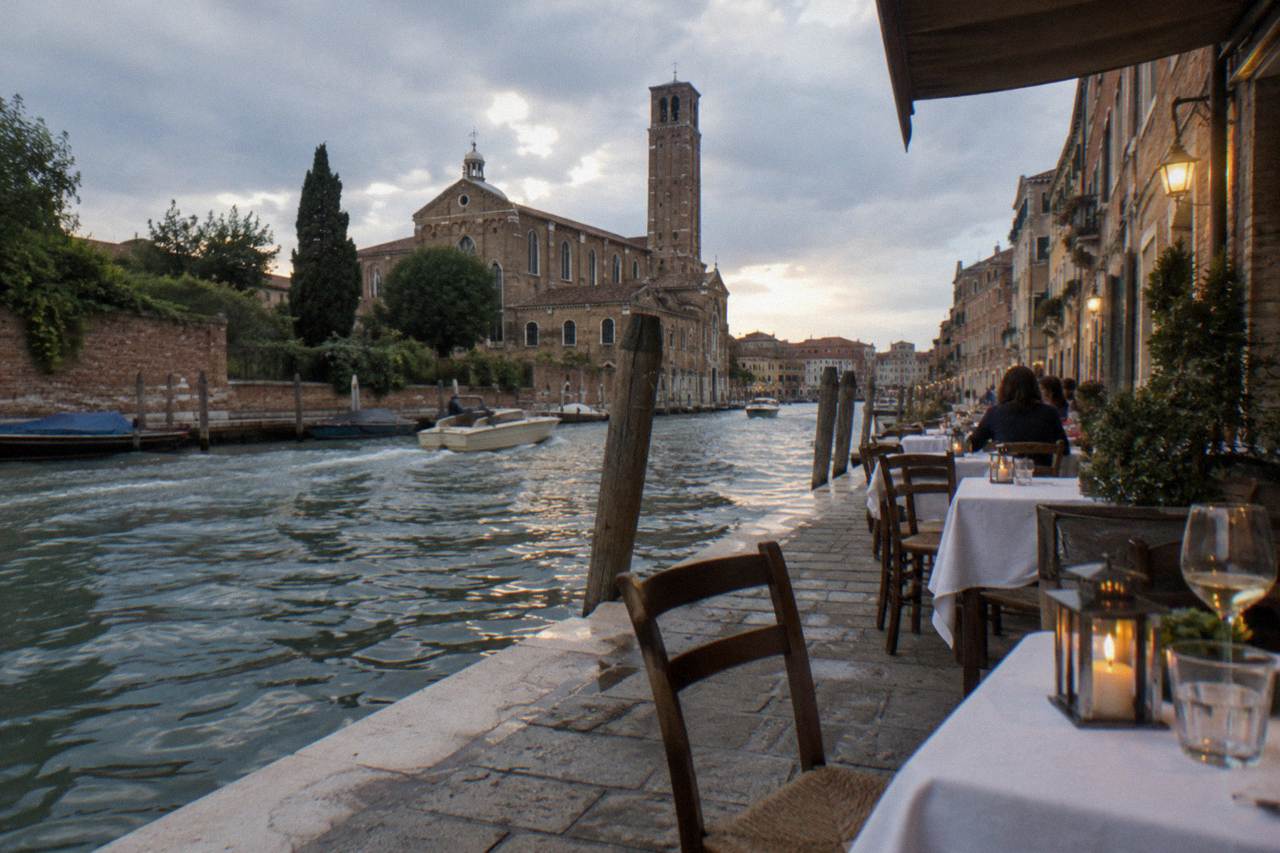
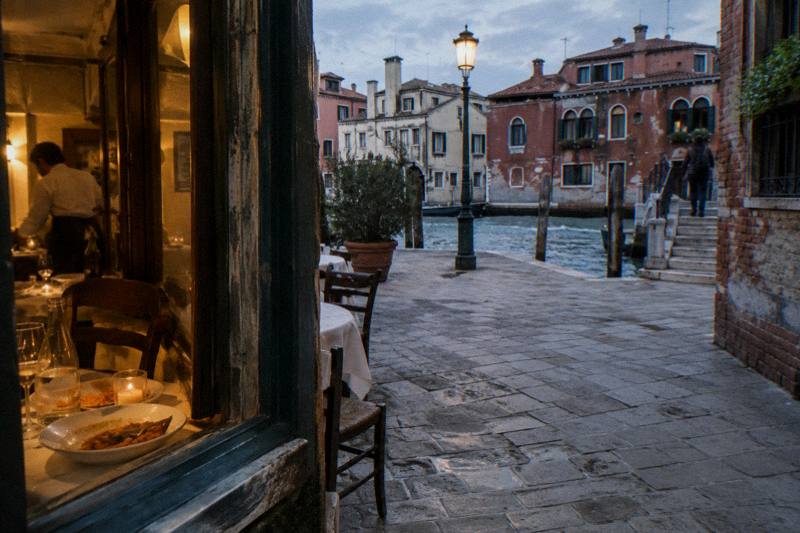
There is no single average dinner price in Venice, because the city splits into two dinner economies. A seated restaurant dinner in the historic centre varies widely by venue and neighborhood, with menu prices set per restaurant plus a reported coperto cover charge of EUR 1 to 5, while a standing bacaro dinner costs far less, with cicchetti reported at around EUR 1.50 to 4 a piece and an ombra at around EUR 1 to 2.50.
Those two formats describe genuinely different evenings. The first buys a table, a menu, table service and usually a longer, slower meal in the tourist heart of the city. The second buys a crawl: a piece of fried baccalà here, a small glass of house wine there, eaten standing at a counter the way Venetians have done for centuries. Most visitors experience some mix of the two, and the mix is what decides the weekly food budget more than any single restaurant choice.
The honest complication is that published averages for Venice dinner prices are unreliable in both directions. Restaurant rows near St Mark's Square price for a captive audience, while a working bacaro two bridges away in Cannaregio charges posted counter prices that have barely moved. The reported figures in this article come from official tourism sources and recent price checks, and every euro figure below is labelled as reported, because posted prices at the counter or door always govern over any guide, including this one. What a Venice dinner reliably costs is a range, not a number, and the range is wide on purpose.
What A Restaurant Dinner Actually Adds To The Bill
A seated dinner in Venice carries three cost layers that the menu prices alone never show: the coperto at a reported EUR 1 to 5 per person, any service arrangement the venue states, and the drink mark-up that turns a EUR 2 ombra at a counter into a considerably pricier glass at a table. Menu prices are set per venue and vary sharply by neighborhood, so no single average holds across the city.
The coperto is the line item that surprises most first-time visitors. It is a legal, disclosed bread-and-cover charge, commonly a reported EUR 1 to 5 per person, and it appears on the menu rather than being hidden. Two people at a mid-range restaurant can therefore add a few euro to the bill before the food arrives, purely for the table. The practical workaround is not a trick: eat at least one evening standing at a bacaro counter, where the cover charge generally does not apply and where the posted price list on the wall is the whole price.
“Maria C. delivered an outstanding Venice food tour, authentic dishes, quality wines, and sharp local insight. The stops were well chosen, the pacing smooth, and the experience felt genuinely local rather than touristy. Highly recommended.”
Drinks move the bill more than most visitors expect. The same house wine that costs around EUR 1 to 2.50 as a counter ombra, as reported by the official Venice tourism site, carries a different price when poured at a canal-side table with a view. None of this is a scam; it is the same economics as any city with a view premium. The difference is that Venice lets you buy the cheaper version deliberately, at the counter, in the same neighborhoods and often within sight of the expensive tables. The official cicchetti page on the city's tourism site confirms the counter-price ranges and notes that posted lists apply at each bar.
| Cost layer | Reported range | Where it applies | How to check |
|---|---|---|---|
| Coperto (cover charge) | EUR 1 to 5 per person | Seated restaurant tables, disclosed on the menu | Read the menu before sitting down |
| Cicchetti (small plates) | EUR 1.50 to 4 per piece | Standing counters at bacari | Posted price list at the counter |
| Ombra (small house wine) | EUR 1 to 2.50 per glass | Standing counters at bacari | Posted price list at the counter |
| Tipping | Optional; rounding up | Both settings, never mandatory | No fixed percentage expected |
The access-fee question belongs here too, because cost-checkers often fold it into the evening's maths. The 2026 day-visitor access fee trial, which charged EUR 5 or EUR 10 on 60 selected days, ended, and per the official page no fee applies from 27 July 2026 onward and no payment or exemption is needed to visit. It returns in 2027 with listed dates but unpublished amounts, so anyone planning a spring 2027 trip should check the official access fee page before assuming anything.
For visitors who want the seated-dinner experience without the guesswork of picking a restaurant in an unfamiliar city, a guided evening tour bundles the table, the dishes and the navigation into one known booking.
The Standing Dinner: Cicchetti And Ombra By The Numbers
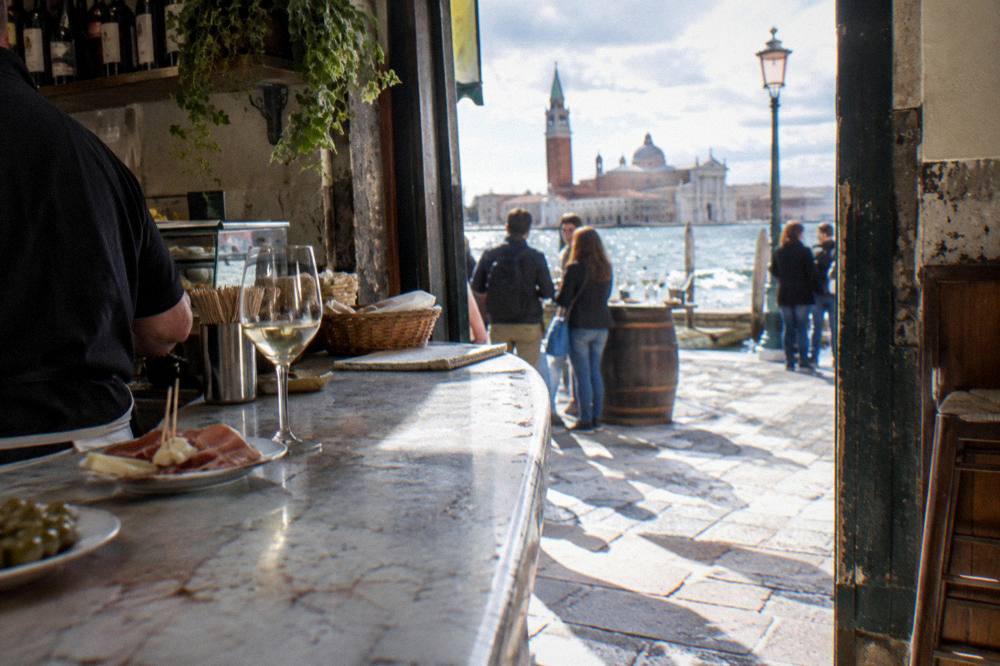
A dinner built on standing cicchetti and ombra is the cheapest complete evening meal in Venice, with small plates reported at around EUR 1.50 to 4 each and the small house wine glass at around EUR 1 to 2.50. Three or four pieces plus a couple of ombre at a local bacaro is a real dinner, eaten the way residents eat it, and the posted counter prices mean the bill holds no surprises.
The maths is deliberately left to the reader here, because prices vary by bar and no fixed city tariff exists, as the official tourism site makes clear. What matters is the structure: at the low end of the reported ranges, a modest standing dinner costs less than a single main course at many seated restaurants near the main sights, while at the high end, elaborate cicchetti at popular spots approach casual-restaurant pricing anyway. The choice is less about squeezing cents and more about what kind of evening you want, since a bacaro crawl means standing, moving, and eating in pieces rather than courses. Everything else covered here is indexed on Venice Food Tours.
Quality does not track price the way visitors assume. The bacaro counter serving a reported EUR 2 ombra to regulars in Cannaregio or Castello is often serving wine from the same Veneto producers that appear, at a markup, on restaurant lists across the city. The counters also carry the dishes most visitors come to Venice to taste: baccalà mantecato whipped salt cod on polenta, sarde in saor sweet-and-sour sardines, fried mozzarella, cuttlefish in its ink. Eating them standing is not the budget compromise version of dinner; it is the original format, and the restaurant table is the later addition. The deeper background on ordering is in what is cicchetti and how to order it, and the counter customs are covered in bacari etiquette, ombra and the Venetian wine ritual.
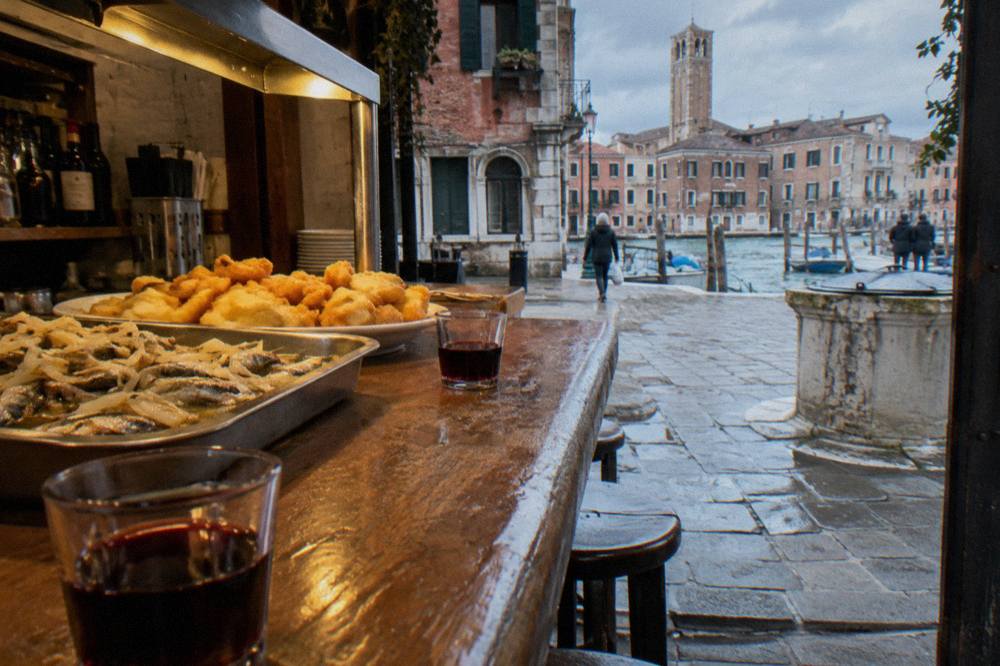
One caveat deserves its own sentence: standing venues close earlier than restaurants, and the bacaro evening runs on the aperitivo clock, filling from late afternoon and thinning by mid evening. A crawl that starts at 6 pm finds every counter in full swing; the same crawl at 9:30 pm finds shutters coming down. This lines up with local dining rhythms, which the article on what time people typically eat dinner in Venice covers in detail, and it is the single most common way visitors miss the cheap dinner they had read about. The timing is the hidden price of the standing meal.
There is also a social side to the format that first-time visitors underestimate. A counter dinner puts you shoulder to shoulder with regulars, with the barman answering questions between pours, and with the city's evening rhythm rather than a tourist dining room's version of it. For travellers eating solo, a bacaro crawl is often the more comfortable night out, since a counter seat for one carries none of the awkwardness a restaurant table for one sometimes does, and the stops themselves give the evening a shape. None of that appears on a bill, but it is part of what the format is selling.
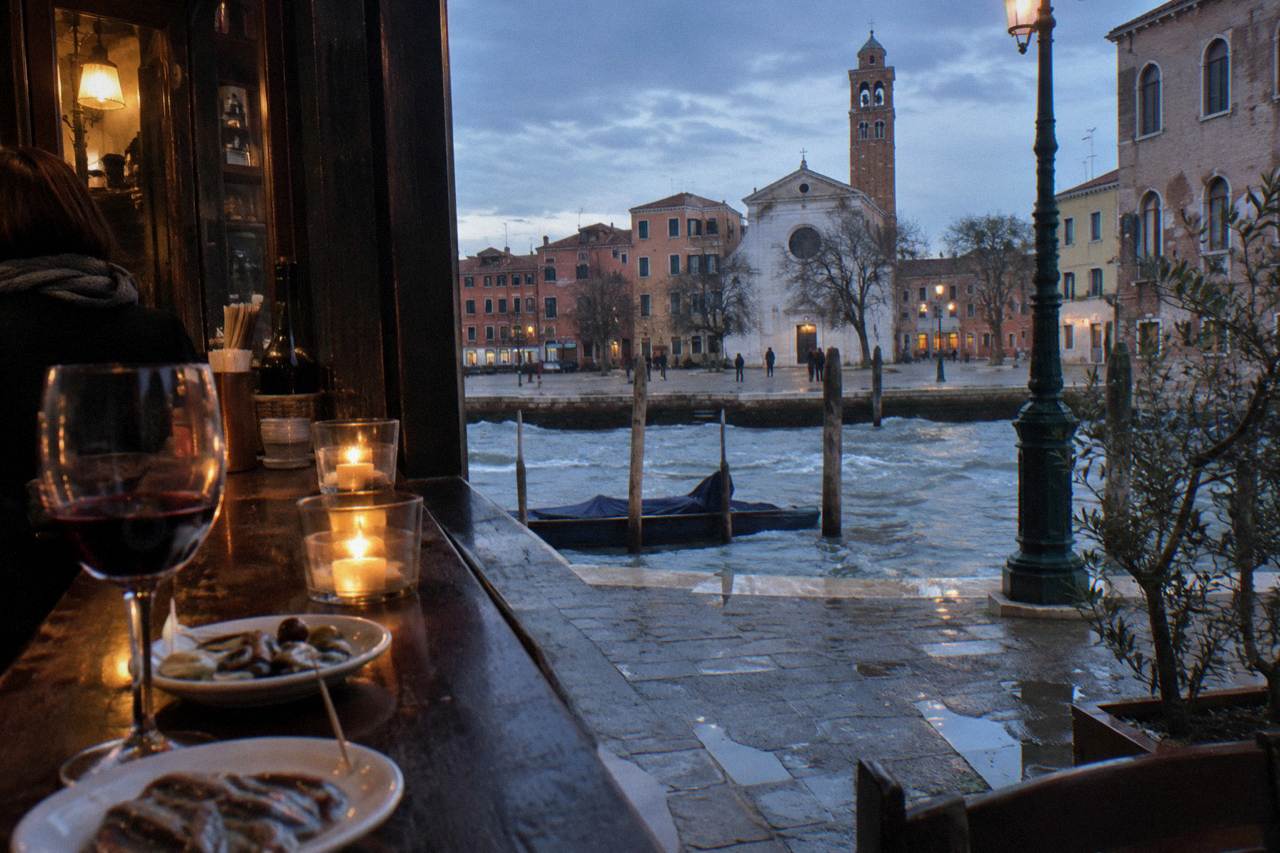
How A Guided Food Walk Compares To Dining Alone
A guided tasting walk prices the whole evening into one booking, replacing menu-by-menu uncertainty with a fixed experience of known length and described inclusions. The formats differ in kind: the small-group tasting walk runs about 3 hours, the sit-down dinner tour runs 2 hours 30 minutes and ends at a table, and the street-food walk runs about 2.5 hours through counter stops. Tour prices appear on each booking page.
The comparison that matters is not tour price versus restaurant price per euro, because the two buy overlapping but different things. A restaurant dinner buys one kitchen, one room, one bill with coperto. A guided walk buys a route through several venues, a guide translating the counters and the dishes, and the tastings as described on the booking page, spread across stops. For a first evening in Venice, the walk answers the questions a restaurant cannot: what baccalà is, which bar pours which wine, how the ombra ritual works, where to return tomorrow night alone.
“Arrived to Venice this morning, and took the 5pm tour this evening. It was the best tour we have ever experienced! Giorgia was fun and informative. We had a huge and delicious variety of many food stops with beverages. I’d do it again with her in a heartbeat.”
The evening dinner tour occupies the middle of this spectrum. The Venice Evening Food Tour: Bites, Drinks & Sit-Down Dinner format runs about 2 hours 30 minutes and pairs standing bites with a seated dinner at the end, which is roughly the arc many travellers would otherwise improvise: a crawl, then a table. It suits the visitor who wants the crawl experience but does not want to end the night still hunting for a restaurant in a city where kitchens close early and tables near the sights price accordingly. Its current price and full inclusions are stated on the booking page rather than estimated here, since tour prices move with dates and group size.
The street-food format is the closest guided equivalent to the cheap standing dinner described above. The Venice: Street Food Tour with a Local Guide and Tastings runs about 2.5 hours and moves through counter and market territory with a local guide, with the tastings described on the booking page. It is the option for travellers who read the cicchetti numbers, liked them, and decided that finding the right three bars in an unfamiliar city on night one is not how they want to spend the evening. A guide also smooths the dietary questions: no listing here is described as vegetarian, vegan or gluten-free unless its booking page says so, so anyone with restrictions should message the operator before booking, on any tour.
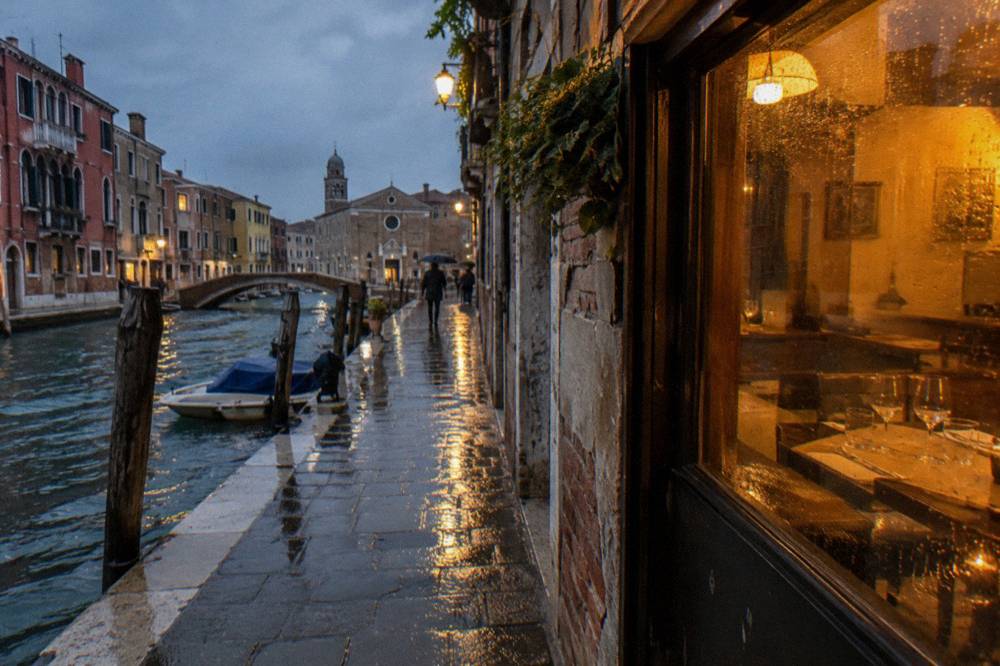
What Else Shapes The Final Bill
Beyond the menu and the coperto, four factors move a Venice dinner bill: the neighborhood you eat in, the hour you eat, the drinks you order, and whether you are visiting in peak season. None of these carries a fixed surcharge, but together they can push two otherwise identical meals to very different totals, and all four are under the diner's control before the evening starts.
Neighborhood is the biggest lever. Tables within sight of St Mark's Square and the Rialto bridge price for foot traffic that will never return; the same menu style in Cannaregio, Castello or Dorsoduro generally costs less, and the standing bacari of those districts follow the reported counter ranges rather than the view premium. The city's own neighborhood character is described in Venice food by neighborhood, and the pattern it shows is consistent: walk fifteen minutes off the main drags and the price structure changes even when the cuisine does not.
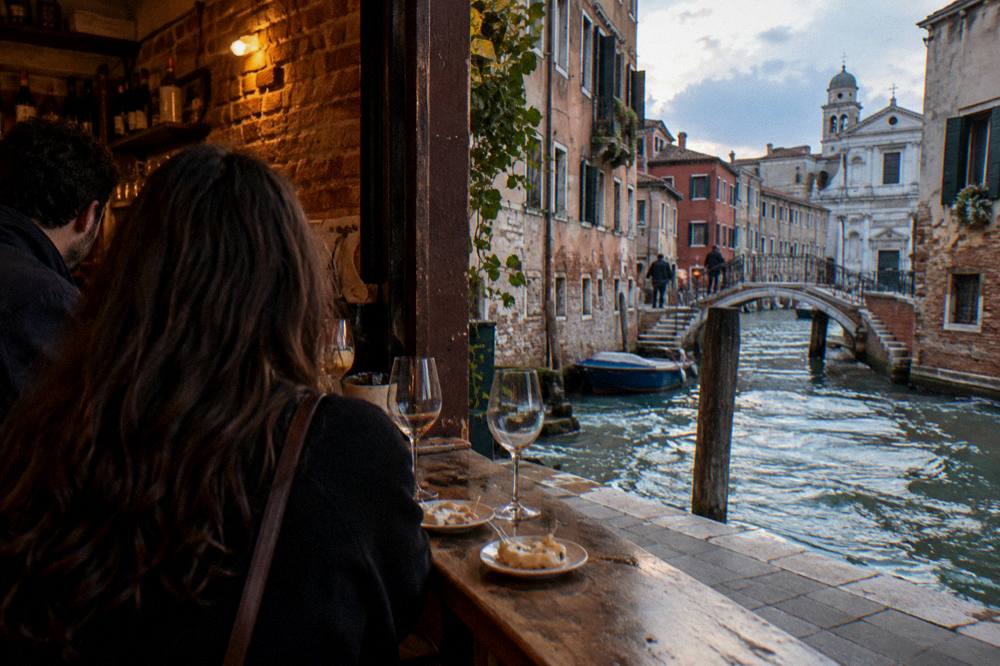
The hour matters more than in most cities because Venice kitchens close early and bacari close earlier. Arriving at a restaurant at 7 pm puts you ahead of both the Italian dinner crowd and the kitchen's wind-down; arriving at 9:30 pm narrows the choice to whatever is still open, which is disproportionately the expensive, tourist-facing rooms with late hours. Peak season works the same way: summer evenings and Carnival weeks concentrate demand on a fixed number of tables, and posted prices respond. The timing question, including why Venetians eat later than visitors expect, is covered fully in the dinner-hours article and is worth reading before the first night.
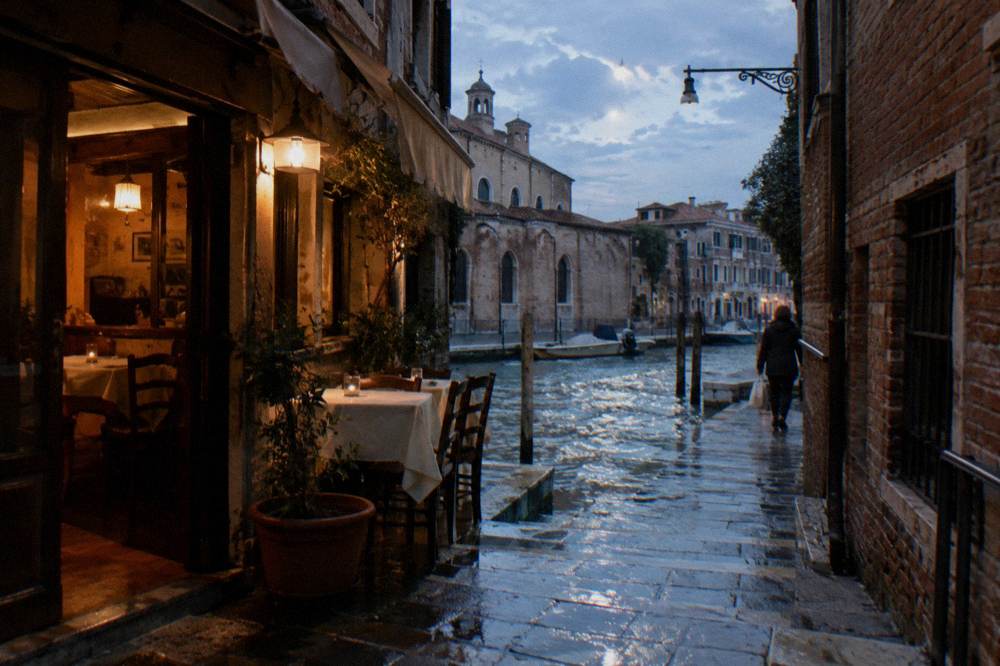
Drinks deserve their own arithmetic discipline. A bottle of water, a quarter litre of house wine, a spritz: each is priced per venue, and the spread between counter and table was covered earlier, so it is enough here to say the same choice reappears with every drink order of the night. Visitors who want the full spritz background, including the local preference for Select over the more famous orange apéritif, can read spritz in Venice, Aperol, Select and the local way. One rule worth knowing in passing: the municipal regulation restricts drinking from glass containers outside permitted seating areas and bans takeaway alcohol in untapped glass, as reported on the comune's regulation page, so the ombra stays at the counter where it belongs. Check current rules on the official site, since municipal regulations are updated.
“Loved this tour, learned so much about the history of venice, food, and wine. Would definitely recommend and got so many recommendations to go afterwards. Great to do at the beginning of your stay so you can explore more eateries after.”
The four levers stack rather than act alone. A table within sight of St Mark's, taken at 9:30 pm in a Carnival week, with bottled water and a spritz brought to it, sits at the expensive end of all four factors at once. A Cannaregio counter at 7 pm, with the quarter litre of house wine poured and drunk where you stand, sits at the cheap end of the same four. Nothing separates the two evenings except the answers to four questions asked before anyone sits down or orders.
Each lever also guards the others. Because bacari close earlier than restaurants, a 7 pm start leaves both formats open as choices; an off-peak week removes the demand pressure that lifts posted prices; and settling the counter-versus-table question before the first drink order sets the spread for the whole night.
The overall picture for budgeting is simple enough to carry in one sentence. Plan for the seated dinner when the evening is the event, fall back on the standing counters for the other nights, and treat any single euro figure quoted for an "average dinner" anywhere, this article's reported ranges included, as a starting point to be checked against posted prices on the night.
Common Questions About Dinner Prices In Venice
How Much Is An Average Dinner In Venice?
There is no reliable single average. Seated restaurant dinners vary widely by venue and neighborhood, with the coperto, reported at EUR 1 to 5, added at the table, while a standing cicchetti dinner with ombra costs materially less, with plates reported at EUR 1.50 to 4 and the small wine glass at EUR 1 to 2.50. Posted menu and counter prices always govern.
What Is The Coperto And Do I Have To Pay It?
The coperto is a legal bread-and-cover charge, typically a reported EUR 1 to 5 per person, disclosed on the menu. It is standard practice at seated restaurants and usually avoided by eating standing at a bacaro counter, where posted counter prices apply instead.
Is A Standing Bacaro Dinner Really Enough For Dinner?
For most people, yes. Three or four cicchetti with a couple of ombre make a complete meal in the format Venetians themselves use, and the reported per-piece prices mean the total stays well below a restaurant main course. The catch is timing, since bacari fill in late afternoon and close well before restaurant kitchens do.
Do I Need To Tip At Dinner In Venice?
Tipping is optional and never mandatory. At standing bacari it is close to nonexistent, with rounding up as the polite ceiling; at seated restaurants a small rounding is appreciated for good service. The fuller customs, including how coperto and service interact, are covered in the tipping and restaurant etiquette guide.
Does The Venice Access Fee Add To My Evening Costs?
No. The 2026 access fee trial ended, and per the official page no fee applies from 27 July 2026 onward and no payment or exemption is needed to visit. It returns in 2027 on listed dates with amounts not yet published, so spring 2027 visitors should check the official access fee page closer to travel.
Is A Guided Food Tour Cheaper Than Dinner At A Restaurant?
Not necessarily cheaper, and that is the wrong test. A guided walk prices the evening, the route and several venues into one booking of known length and described inclusions, removing the menu-by-menu uncertainty of an unfamiliar city. Tour prices are stated on each booking page and vary by date and format, so compare the booking price against the seated-dinner range for your group before deciding.